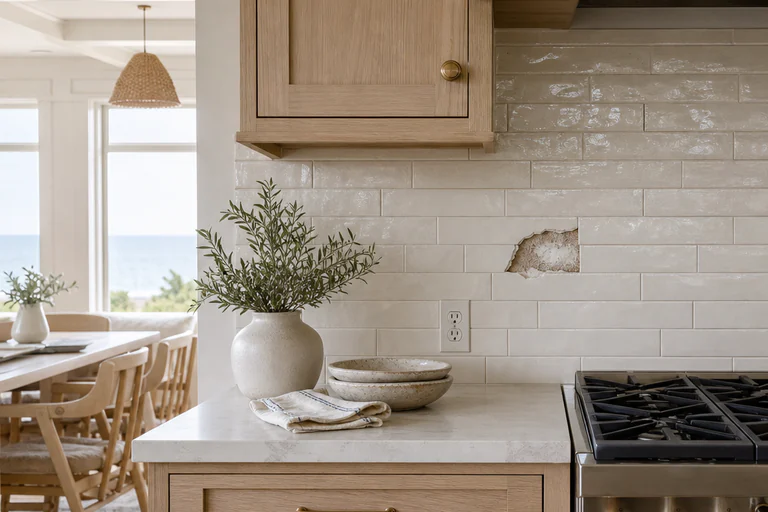

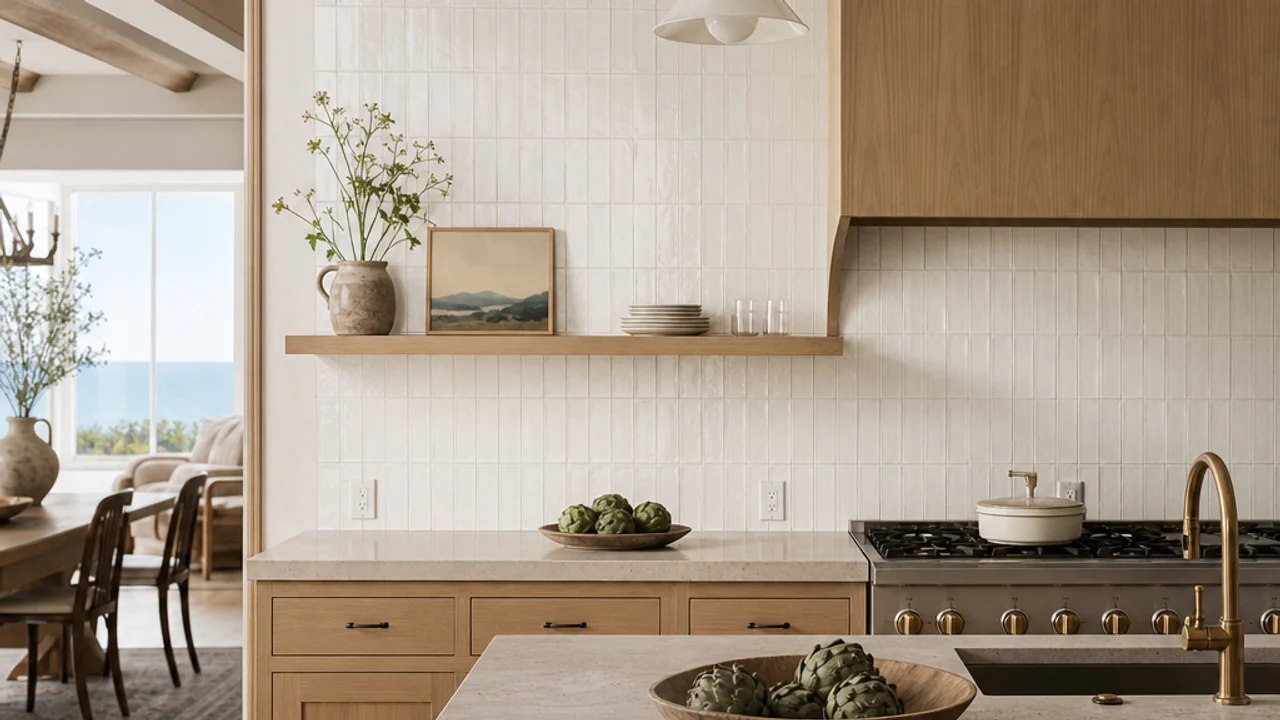
Tile setting is one of those trades where the skill gap between professional and amateur work shows clearly — but often not immediately. Tile installed without adequate substrate preparation, the wrong setting materials for the application, or insufficient attention to leveling and layout may look acceptable on day one and reveal its problems months or years later: popped tiles, cracked grout, lippage between tiles that becomes noticeable with age or in raking light.
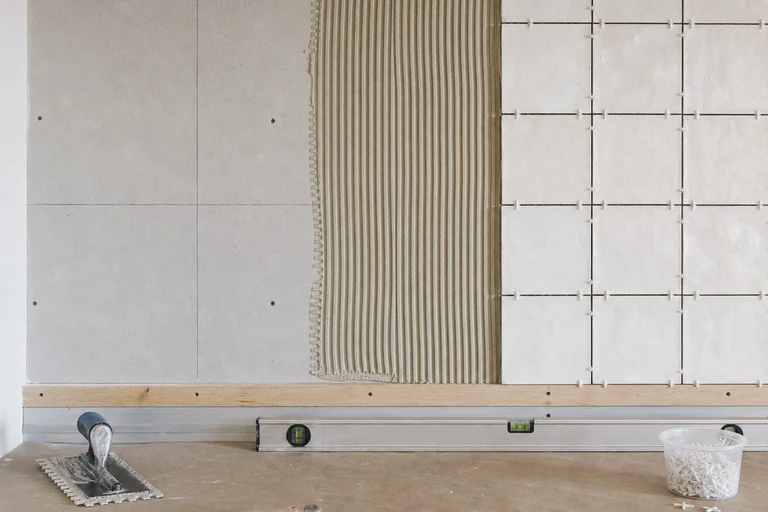
The foundation of quality tile work is substrate preparation. A tile installation is only as good as what it's bonded to. Wall substrates need to be clean, flat, plumb, and structurally sound before anything is bonded to them — drywall behind a range that has taken years of grease, a plaster wall that undulates, framing that was never straight, or a hearth surface that was finished for looks rather than for tile. Skipping or shortcutting this step is the most common cause of tile installation failures, and it's the step most easily avoided by working with experienced tradespeople who assess substrate conditions before committing to a setting approach.
Layout planning is the other area where professional tile setting makes a visible difference. Good tile layout avoids awkward narrow cuts at doorways and visible transitions, centers patterns appropriately in the field of the installation, and plans for the visual balance of the completed work. A well-planned layout looks intentional; a poorly planned one calls attention to itself at every edge and corner.
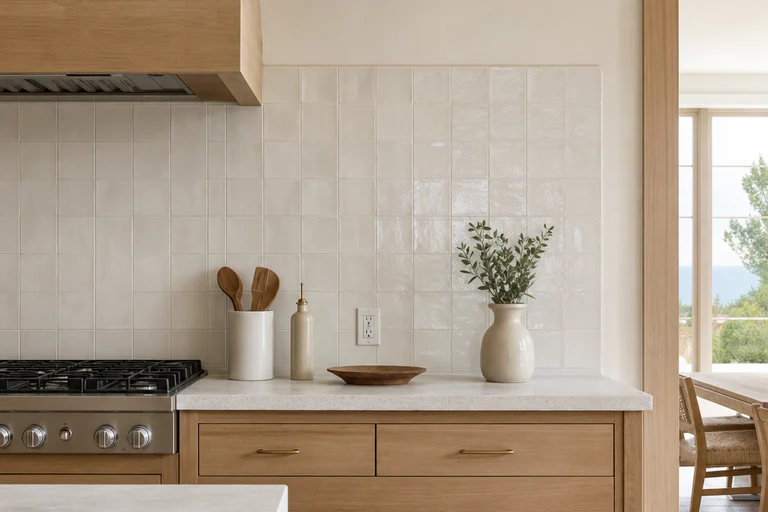
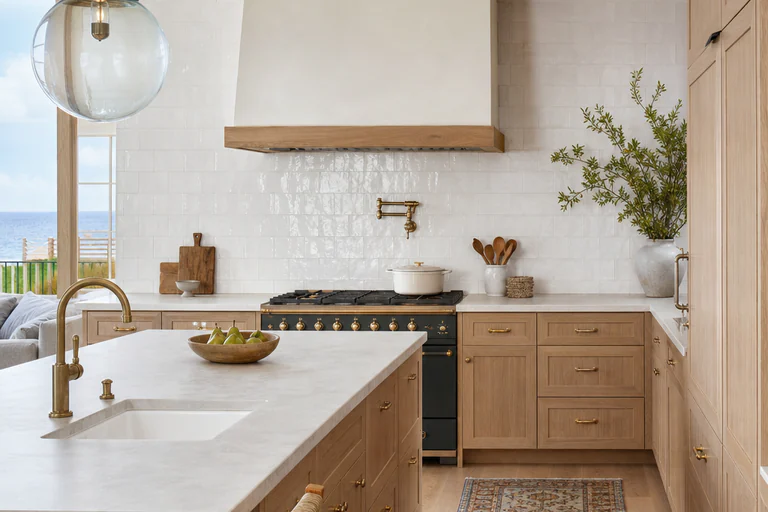
We handle tile setting for walls, backsplashes, fireplace hearths and surrounds, and accent installations in Grand Rapids homes. Our trade background in masonry means we're comfortable with the substrate assessment, setting material selection, and precision cutting that quality tile work requires.
Tile setting is the service for surfaces that have not been tiled before — a bare wall becoming a backsplash, a drywall alcove becoming an accent surface, a hearth being tiled for the first time. If a surface already has tile on it, you want one of the sibling services instead: tile repair when the existing surface stays in place and only parts of it have failed, tile replacement when the old tile is coming out and new tile is going in, and tile floor installation for a new floor. We will tell you which one your project actually is before quoting it.