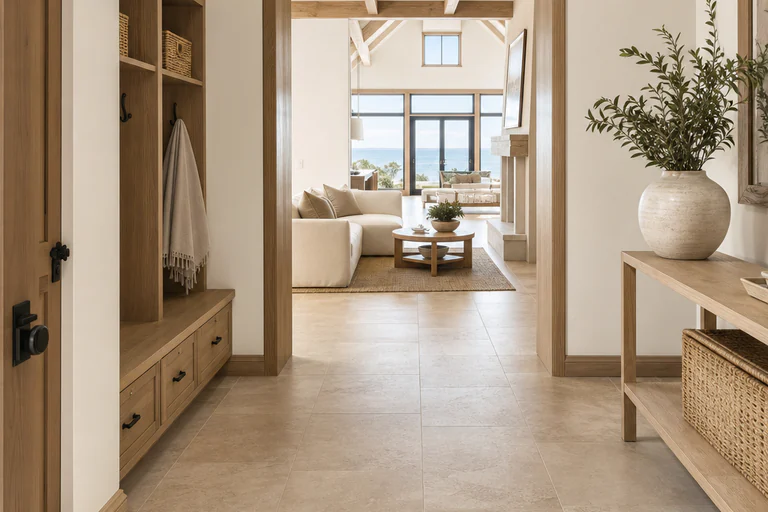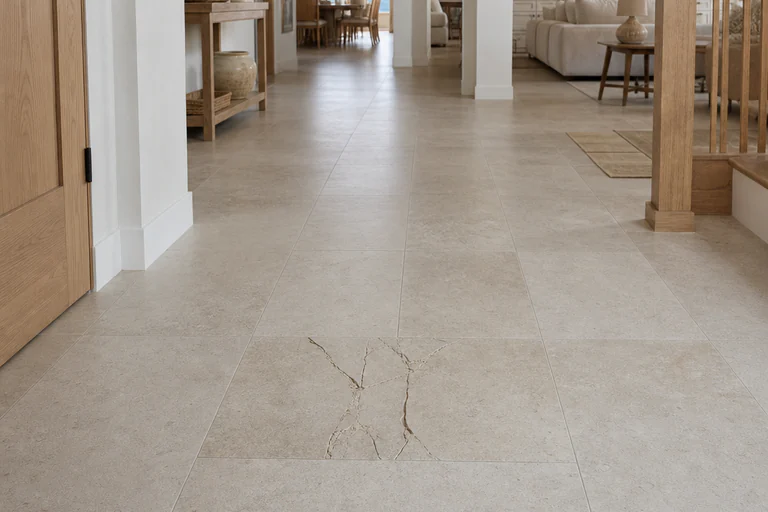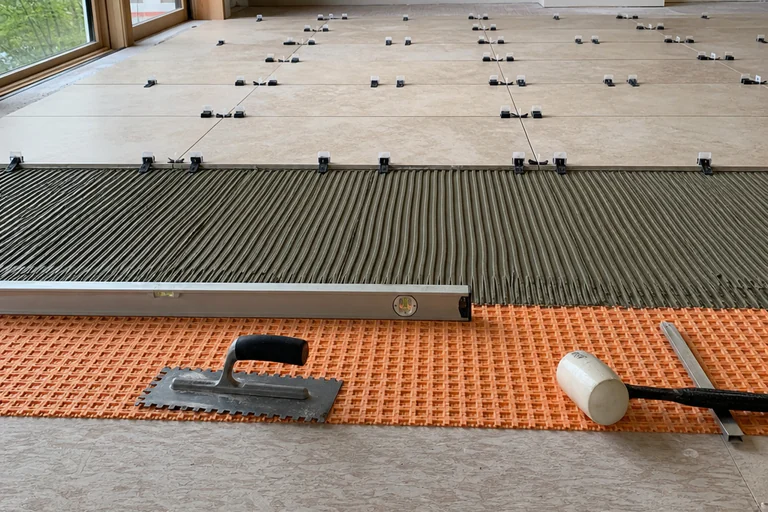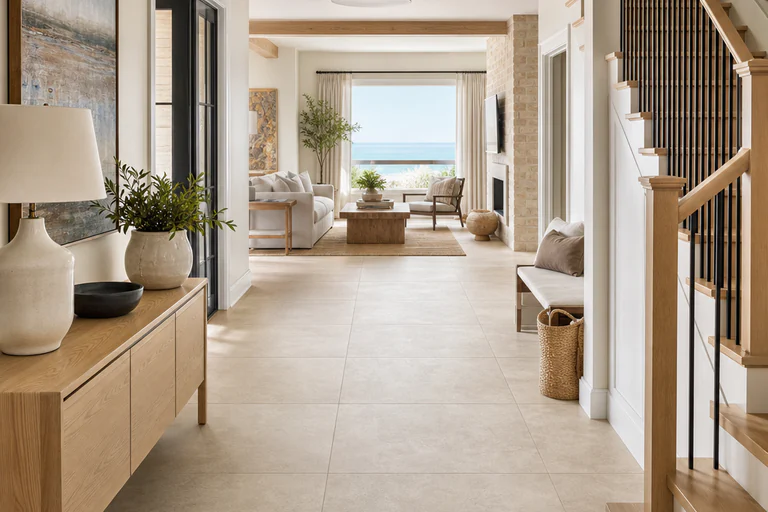

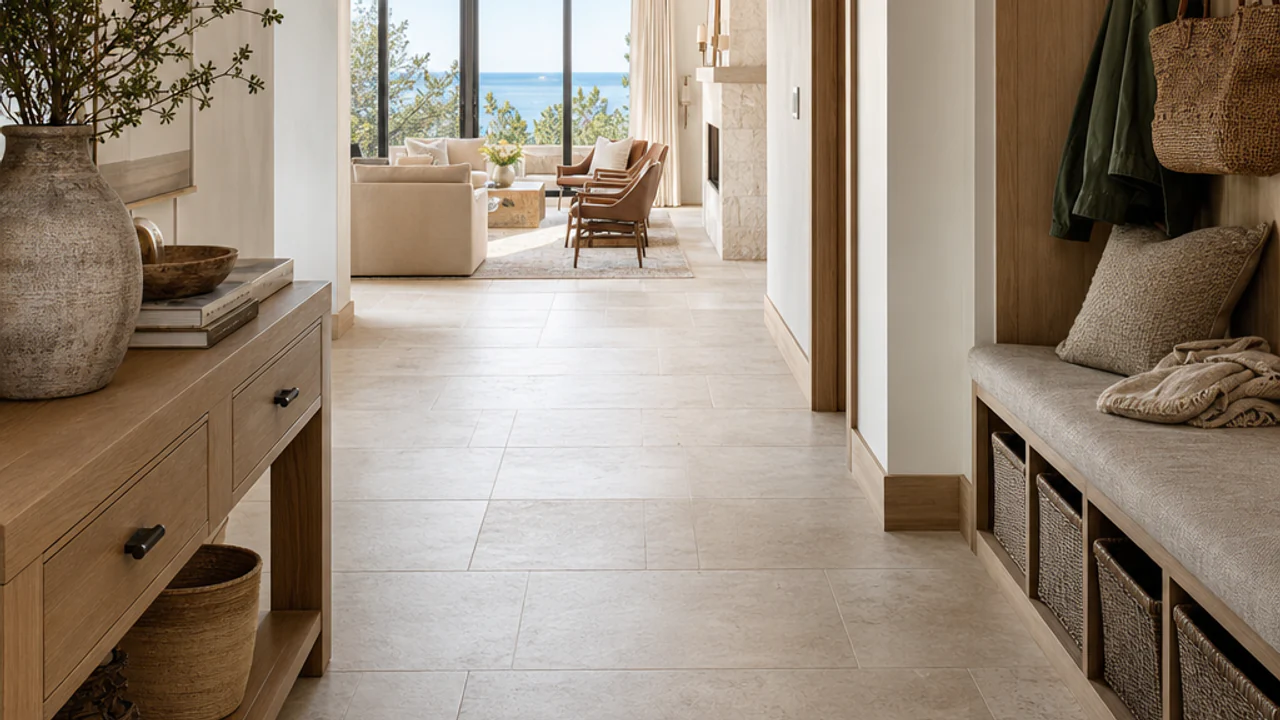
Tile floors are one of the most durable finish flooring options available, but they're only as good as what's underneath them. The subfloor preparation stage is where most tile floor failures originate — not in the tile itself or even the grout, but in the substrate that wasn't flat enough, didn't have adequate deflection resistance, or wasn't properly cleaned and primed before the tile went down. Understanding this before a tile floor project begins leads to better decisions and better outcomes.
In older Grand Rapids homes, subfloor conditions vary widely, and they are usually not visible until the existing covering comes up. Original board subfloors, plywood of uncertain age, and older concrete slabs all require assessment before new tile goes down. A subfloor that works fine under vinyl or laminate flooring may not meet the flatness and stiffness requirements for tile — particularly large-format tile, which is far less forgiving of substrate imperfections than traditional smaller tile sizes. We assess the actual subfloor conditions during the estimate and identify what preparation is needed rather than discovering it mid-project.
Tile selection also matters for floor applications specifically. Floors require tile with appropriate slip resistance — rated for floor use — and sufficient hardness to handle foot traffic without surface wear over time. Porcelain tile is generally the most durable choice for floor applications, particularly in high-traffic areas like kitchens and entryways. Natural stone tile floors are beautiful and durable but require more maintenance and are more susceptible to certain types of staining. We discuss these tradeoffs honestly so tile selection fits the actual use of the space.
The grouting and finishing stage is more consequential on floors than on walls because floor grout is subjected to foot traffic and frequent cleaning over years and decades. Grout color selection affects how maintenance-intensive the floor is in real life — lighter grout shows dirt more readily but reads as cleaner looking; darker grout hides soiling better. Proper sealing of both grout joints and porous tile types after installation significantly extends the period before any grout care is needed.
This page covers new floor installations — a room getting a tile floor it did not have, or a floor being tiled after a different covering comes up. If the room already has a tile floor that is coming out, that is tile replacement, which includes tear-out and haul-away. If the existing tile floor is staying and only parts of it have failed, that is tile repair. New kitchen backsplashes and dry-area wall tile are covered under tile setting. Bathroom projects that include a shower, tub surround, or wet-area waterproofing belong under shower and bathroom tile installation.