When should you repair damaged brick on a Grand Rapids home?▼
Repair damaged brick as soon as you notice cracks, flaking faces, or shifted bricks — before another Michigan winter makes it worse. Each freeze-thaw cycle forces moisture in small cracks to expand, so damage that starts cosmetic progresses toward structural. Early repair means fewer bricks to replace, less mortar work, and a lower chance that water has already reached the wall assembly behind the brick.
How much does brick repair cost in Grand Rapids?▼
It depends on how many bricks need replacing and how much of the mortar around them has failed. Most brick repairs include mortar work. As approximate West Michigan planning figures, spot repair of a small area usually runs about $25 per square foot depending on height and access, and full repointing across a wall runs about $11 to $25 per square foot. Replacement bricks, matching older brick, and scaffolding are priced on top. Small isolated repairs cost far less in total than rebuilding a section of wall. We give a firm figure after seeing the damage in person, and the estimate is free.
Can I repair cracked bricks myself?▼
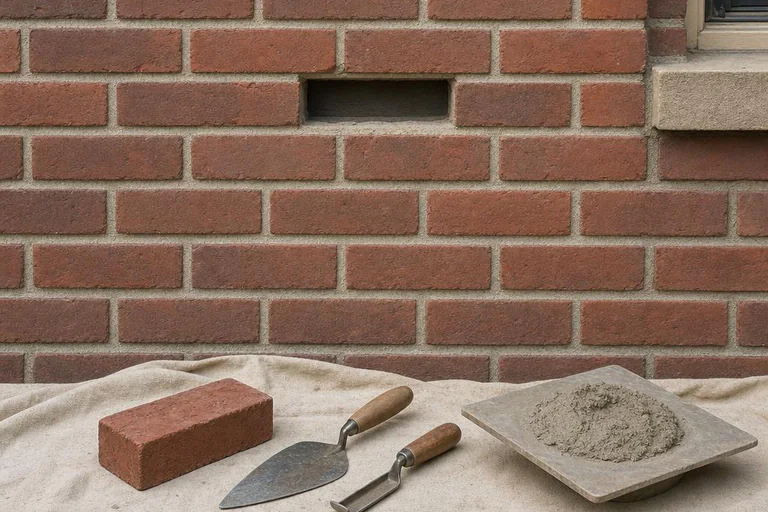
Small cosmetic surface cracks can be filled by a careful homeowner, but most structural brick repair — loose bricks, spalling faces, displaced sections — should be handled by an experienced mason. Removing and resetting bricks without damaging surrounding brickwork requires the right tools and technique. More importantly, DIY repairs that use the wrong mortar mix can cause accelerated damage, particularly on older brick that requires a softer lime-based mortar rather than modern Portland cement.
How long does brick repair last?▼
Properly executed brick repair, using correctly matched mortar and sound replacement brick, should last for many decades — comparable to the original brickwork. The key is addressing the underlying cause of the damage (usually moisture infiltration or mortar deterioration) at the same time. Repairs that only address the visible symptom without resolving the root cause will need attention again in a shorter timeframe.
Who does brick repair near me in Grand Rapids?▼
Grand Rapids Masonry & Restoration handles brick repair across Greater Grand Rapids and West Michigan, including East Grand Rapids, Grand Haven, Holland, Spring Lake, Caledonia, Allendale, and Hudsonville. We repair cracked, spalling, and loose brick on homes and commercial buildings, and we source replacement brick that matches existing walls rather than leaving an obvious patch. Estimates are free.
What are the signs that my brick needs professional repair?▼
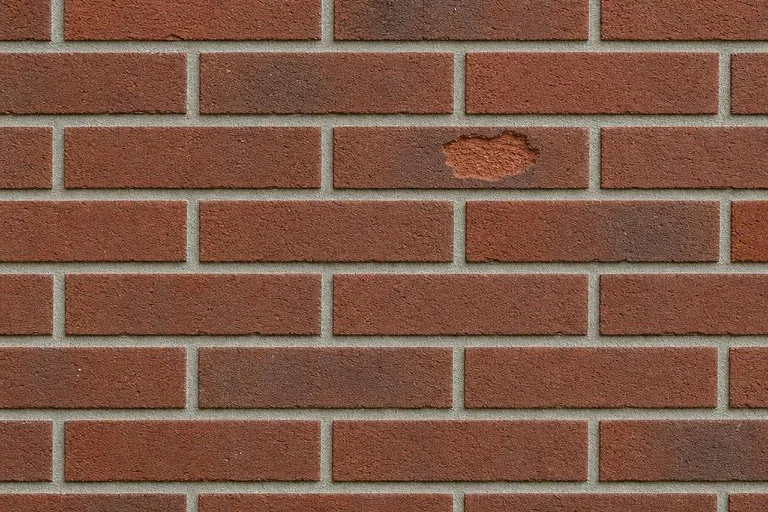
Key warning signs include visible cracks running through individual bricks or across multiple bricks, brick faces that are flaking or breaking away, bricks that sound hollow when tapped, mortar joints that are crumbling or recessed, white mineral deposits (efflorescence) on the brick face, and any interior moisture or dampness near an exterior brick wall. If you see any of these, having a mason inspect the area is worthwhile.
How much does it cost to repair brick steps?▼
Our West Michigan planning range for repairing or partly rebuilding a small set of brick entry steps or a stoop is about $1,100 to $3,500. That covers the brick and mortar work. If the steps have sunk or tipped, the base underneath may need rebuilding too, which is priced separately once we can see it. Steps are worth fixing early, because loose or cracked brick on a stoop is a tripping hazard and gets worse with every freeze. We give a firm figure after seeing the steps, and the estimate is free.
What causes cracks in a brick wall?▼
The pattern of the crack usually tells you the cause. Stair-step cracks that follow the mortar joints often point to settlement, where part of the house or a porch has moved. Long vertical cracks can come from the brick expanding and shrinking with temperature where there is no room for movement. Cracks running out from the corners of windows and doors often trace to a rusting steel lintel above the opening pushing the brick. Hairline cracks in the mortar alone are often just aging joints. We look at the pattern and what is behind it before recommending a repair, because fixing the brick without fixing the cause means the crack comes back.