
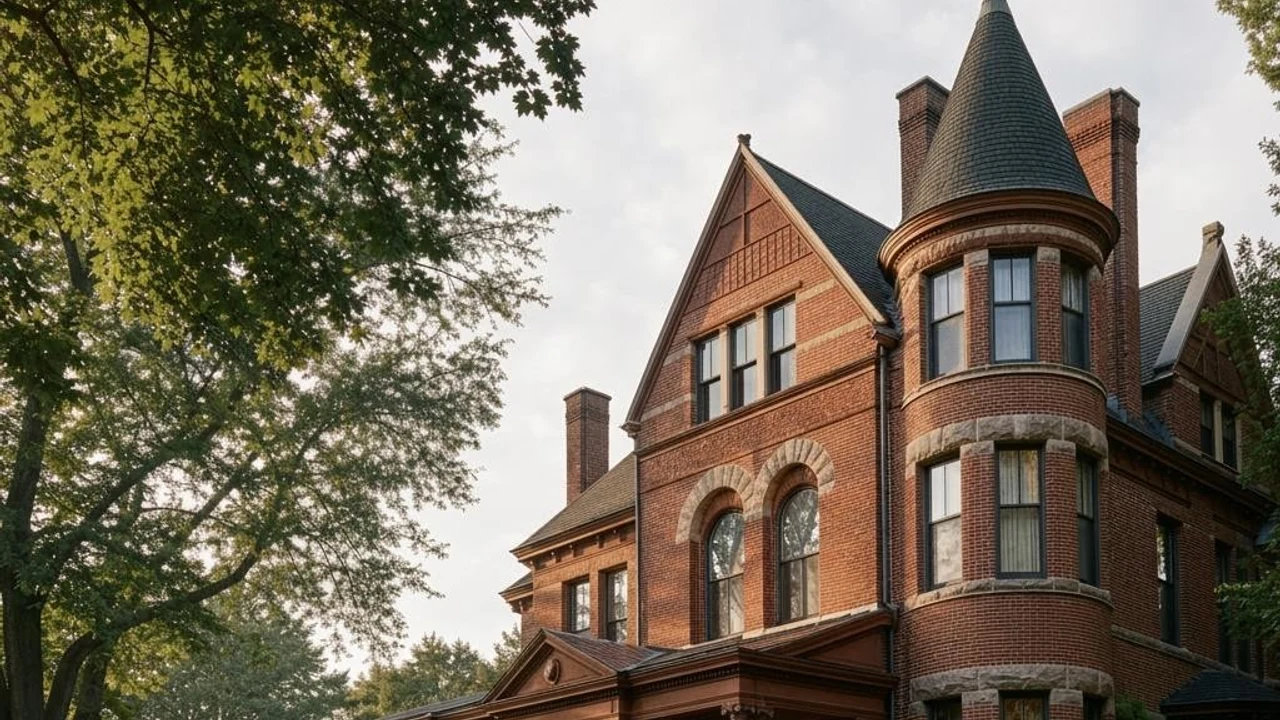
Historic red-brown brick residence with a stone foundation, deep wood porch, and mature trees

Brick Restoration in Grand Rapids, MI

Grand Rapids has a wealth of historic brick architecture worth preserving. We restore aged and deteriorated brick using period-appropriate materials that protect the brick rather than accelerate damage.

✓ Serving Greater Grand Rapids
✓ Free Estimates
✓ Historic Preservation Specialists

Older brick buildings in Grand Rapids develop problems that require more than simple patch repairs — widespread mortar loss, staining, and deterioration that affects the character and integrity of the structure. Grand Rapids Masonry & Restoration specializes in brick restoration that addresses the full scope of the problem. Start with our masonry restoration cost guide, then get a free estimate and we'll assess your building's brick honestly.

What Does Brick Restoration Involve — and When Does a Building Need It?

Grand Rapids has a remarkable inventory of historic brick buildings — early 20th-century commercial storefronts, Victorian-era homes in Heritage Hill and adjacent neighborhoods, mid-century industrial buildings, and residential brick from various eras throughout the city. These buildings represent significant architectural character, and many of them have brick that is showing the effects of decades of Michigan weather, deferred maintenance, or previous repairs done with incompatible materials.

Brick restoration goes beyond simple spot repair. It's a comprehensive approach to returning a deteriorated brick building to sound structural and aesthetic condition — typically involving cleaning to remove decades of accumulated staining and biological growth, assessment and repair of structural issues, and systematic repointing of mortar joints throughout the affected areas. The distinction from basic maintenance is that restoration addresses the building as a whole rather than individual problem spots.

One of the most important considerations in brick restoration on older buildings is material compatibility. Bricks produced before mid-20th century are generally softer than modern brick, and the original mortar used was lime-based rather than Portland cement-based. When modern hard-set Portland cement mortar is used to repoint historic brick, the mortar becomes harder than the brick itself. Moisture that would otherwise migrate through the joint instead is forced through the brick face, causing spalling and damage that didn't exist before the repair. We use lime-based or appropriately low-strength mortars on vintage brick for this reason.

Cleaning is often an important component of restoration work, but it must be done with appropriate methods for the age and type of brick. Aggressive cleaning methods that work well on modern brick can damage softer vintage brick. We assess the appropriate cleaning approach based on the specific building and staining conditions, using gentler methods that achieve good results without damaging the substrate.
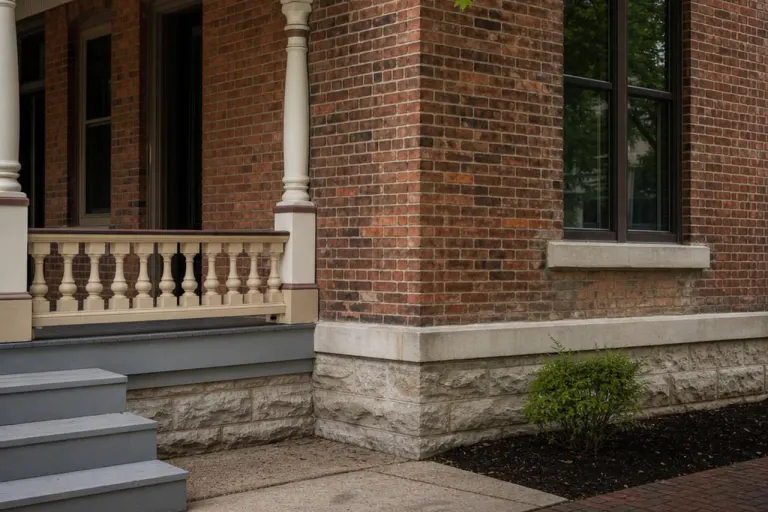
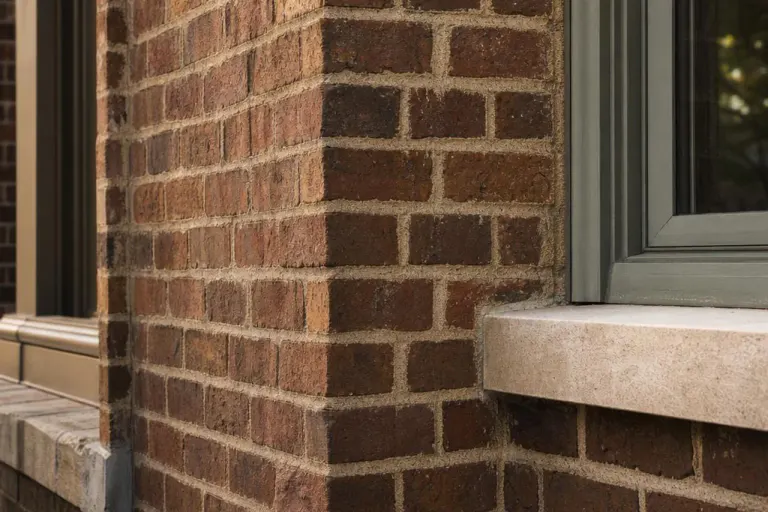
Historic brick porch corner with varied clay brick, light mortar, limestone trim, and a stone foundation

Older Grand Rapids homes often combine varied clay brick, softer mortar, stone foundations, limestone details, and painted wood porches.

Brick Conditions That Warrant Restoration

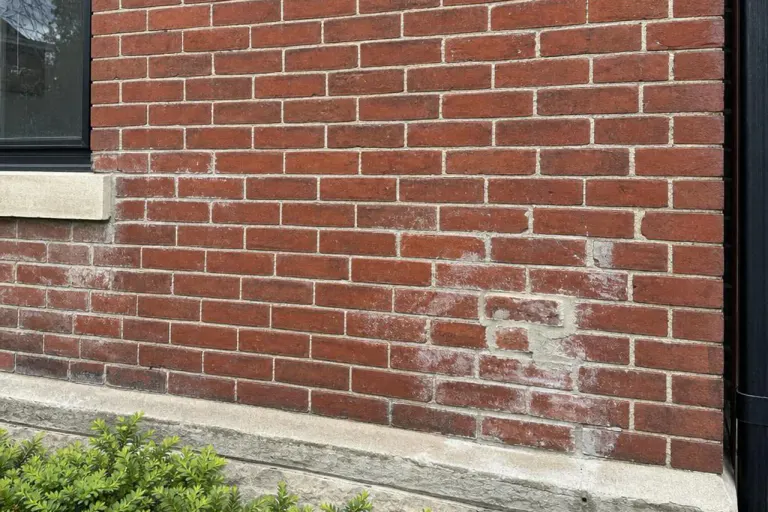
Weathered brick wall with efflorescence, worn mortar joints, and an incompatible patch repair

Restoration begins by reading the whole wall: staining, worn joints, surface loss, and earlier repairs can point to different moisture and material issues.

  • ✓Staining from efflorescence, rust, biological growth, or decades of pollution accumulation
  • ✓Significant mortar loss across large areas of wall — beyond what spot tuckpointing addresses
  • ✓Structural deterioration in brick or mortar that affects the wall's performance
  • ✓Loss of historic character from previous incompatible repairs or deferred maintenance

Our Brick Restoration Process

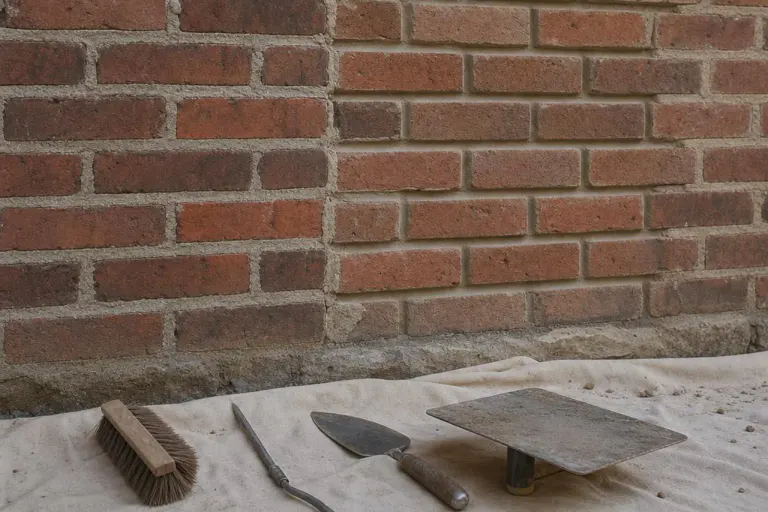
Historic brick wall prepared for repointing with masonry hand tools resting on a canvas drop cloth

A careful restoration sequence protects sound brick while deteriorated joints and incompatible repairs are addressed in controlled stages.

1

Assessment & Documentation

We systematically assess the brick and mortar condition across the building, identify the types and causes of deterioration, and document areas requiring different types of intervention. This informs a restoration plan that addresses the actual conditions.

2

Cleaning

Staining and biological growth are addressed using cleaning methods appropriate for the brick type and age. This may include low-pressure washing, appropriate chemical treatments for specific stain types, or mechanical cleaning in limited applications.

3

Structural Repair

Damaged, loose, or deteriorated bricks are repaired or replaced. Replacement brick is sourced to match the original as closely as possible in color, texture, and size.

4

Repointing & Protection

Mortar joints throughout the work area are repointed with a mortar mix formulated to be compatible with the age and type of brick. Joint profiles are tooled to match the original. Protective treatments are applied where appropriate.

Benefits of Professional Brick Restoration

✓Preserves the architectural character and historical value of older Grand Rapids buildings
✓Addresses mortar incompatibility issues that previous repairs may have introduced
✓Restores the weathertight performance of the brick envelope, protecting interiors from moisture
✓Extends the useful service life of the building without the cost and disruption of replacement
✓Uses period-appropriate materials that work with the existing brick rather than against it
Conserved historic brickwork with matched light mortar, limestone trim, and natural color variation

Compatible restoration should preserve the irregular color and texture that give older masonry its character—not make it look newly manufactured.

Request Your Free Brick Restoration Estimate

Tell us about your project and we'll schedule a free on-site assessment. No obligation — just honest guidance from local masonry specialists.

Tell Us About Your Project

By submitting this form, you agree to our Terms and Conditions and Privacy Policy.

Frequently Asked Questions

What does brick restoration involve — and when does a building need it?▼

Brick restoration is a comprehensive approach — cleaning, structural repair, and systematic repointing — for buildings where deterioration has spread beyond what spot repairs address. A building is a restoration candidate when mortar loss covers large areas, staining or biological growth has accumulated over decades, or previous repairs used incompatible materials. Unlike basic maintenance, restoration treats the building as a whole rather than individual problem spots.

How do you match historic brick when doing restoration work?▼

Matching vintage brick requires sourcing from salvage suppliers, specialty brick manufacturers, or nearby sections of the building where brick can be relocated from a less visible area. Color, texture, size, and porosity all factor into the match. Perfect matching is sometimes not possible, but experienced masons can come very close, especially when replacement is limited and integrated with the surrounding original brick.

What cleaning methods are safe for historic brick in Grand Rapids?▼

The appropriate cleaning method depends on the specific brick, the type of staining, and the age of the building. Soft historic brick requires gentler approaches than modern brick. Low-pressure water washing, appropriately diluted chemical treatments specific to the stain type, and careful mechanical cleaning in limited applications are all used in different situations. Sandblasting and high-pressure washing are generally inappropriate for historic brick and can cause irreversible damage.

When should historic brick be restored versus replaced?▼

Brick that retains its structural integrity — even if stained, with deteriorated mortar, or with some surface weathering — is almost always worth restoring rather than replacing. Replacement disrupts the original fabric of the building, and salvaged or reproduced replacement brick is never a perfect match. Replacement is warranted when individual bricks have deteriorated to the point where they can no longer function structurally, which is often a more limited scope than wholesale replacement of large sections.

Who does brick and masonry restoration near me in Grand Rapids?▼

Grand Rapids Masonry & Restoration provides brick and masonry restoration services throughout Greater Grand Rapids and West Michigan, including East Grand Rapids, Grand Haven, Holland, Spring Lake, Caledonia, Allendale, and Hudsonville. Our restoration work covers exterior brick cleaning, systematic repointing with matched mortar, and structural brick repair on both historic and mid-century buildings. Site visits and estimates are free.

Are there historic buildings in West Michigan that have been successfully restored?▼

Grand Rapids has a strong tradition of historic preservation, and brick buildings throughout Heritage Hill, downtown, and established residential neighborhoods have been restored rather than demolished or re-sided. The appropriate restoration approach depends on the specific building's construction, age, and current condition. We're happy to discuss what restoration would involve for your specific property during a free site visit.

Brick Restoration Service Areas

Serving West Michigan communities with expert brick restoration services