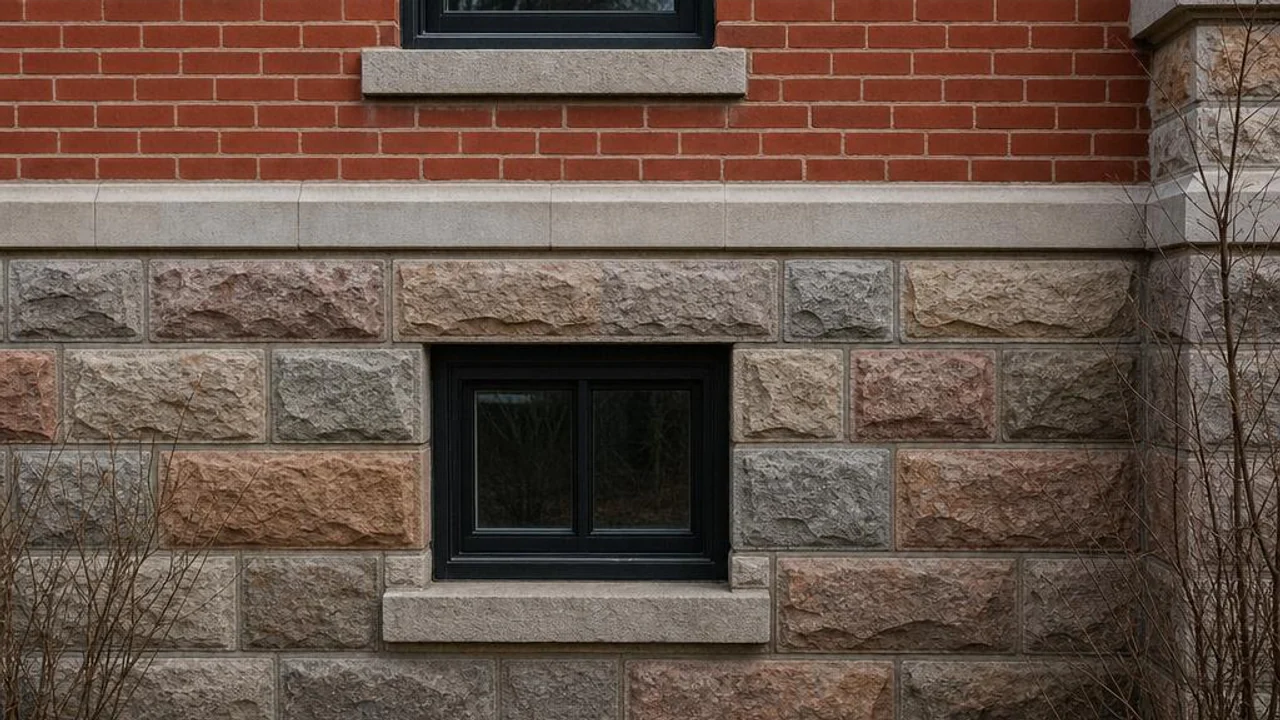

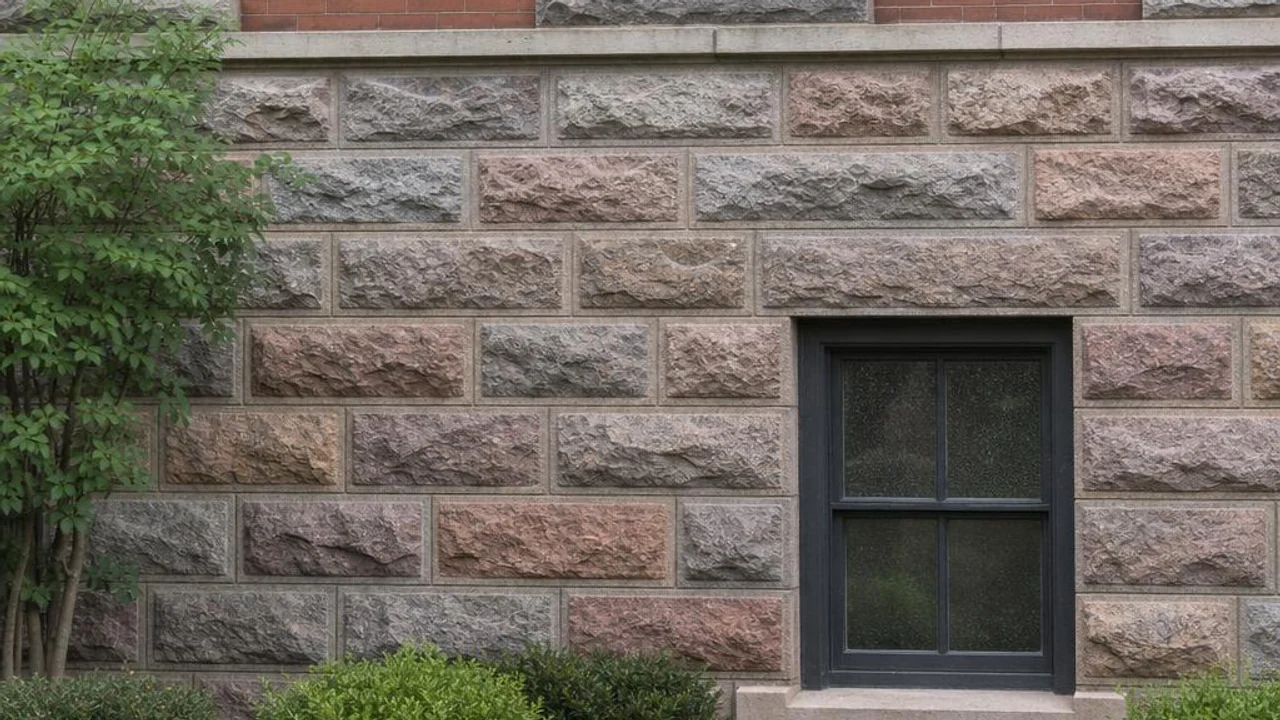
Older red brick residence above a rock-faced ashlar stone foundation with chiseled block faces

Foundation Restoration in Grand Rapids, MI

Older Grand Rapids homes often have masonry foundations that have reached a point where targeted repairs aren't enough — full restoration is the right approach. We stabilize, repair, and protect aging brick, block, and stone foundations.

✓ Serving Greater Grand Rapids
✓ Free Estimates
✓ Historic Preservation Specialists

When a masonry foundation has deteriorated beyond what spot repairs can address — severely eroded mortar, compromised structural sections, or widespread moisture damage — full restoration is often the most effective and economical long-term solution. Grand Rapids Masonry & Restoration specializes in foundation restoration on older and historic Grand Rapids homes. Read how hidden conditions affect masonry pricing, then get a free estimate for an honest assessment.

What Is the Difference Between Foundation Repair and Foundation Restoration?

Foundation repair and foundation restoration address the same structure, but the scope and approach differ. Repair typically addresses specific problems — a crack, a section of deteriorated mortar, an area of water infiltration. Restoration is a more comprehensive intervention: a systematic assessment and remediation of a foundation that has deteriorated across a wider area or to a greater degree than targeted repairs can effectively address.

Grand Rapids has a large stock of older homes — many built in the first half of the 20th century — with brick, stone, or early concrete block foundations that have been in the ground for 70 to 100 years or more. These foundations were often built with lime mortar that has long since eroded, brick or stone that has been subjected to repeated freeze-thaw cycles without adequate maintenance, and waterproofing approaches that don't reflect current understanding. By the time the owner seeks help, the mortar may be almost entirely absent from some sections, and structural stability may be a concern.

The restoration process for an old foundation begins with a thorough structural assessment — understanding what is load-bearing, what sections are most compromised, and what the condition of the individual masonry units is. From there, the work typically proceeds in a logical sequence: stabilizing any sections that are at immediate risk, then systematically repointing and repairing, then applying appropriate long-term moisture protection. The goal is a foundation that will perform reliably for many more decades.

One of the most important considerations for historic masonry foundations is mortar compatibility. Old stone and old brick foundations used soft lime mortar that was appropriate for those materials. Introducing modern Portland cement mortar into a historic masonry foundation can cause the brick or stone to deteriorate faster — the mortar holds moisture against the softer masonry unit rather than allowing it to migrate through the joint. We use historically appropriate mortar compositions for restoration work on older foundations, which produces better long-term results.
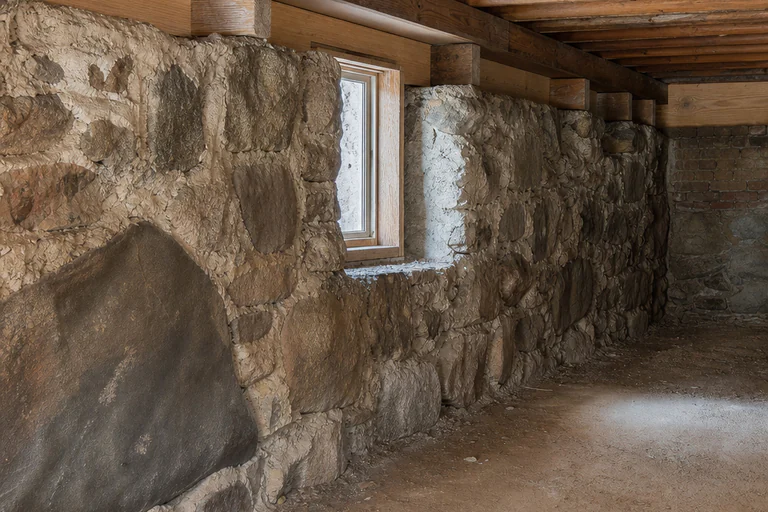
Historic fieldstone basement wall supporting timber framing around a small window opening

Older foundations rely on continuous bearing through irregular stone, packing stones, mortar, timber sill, and framed openings.

Foundation Conditions That Warrant Restoration

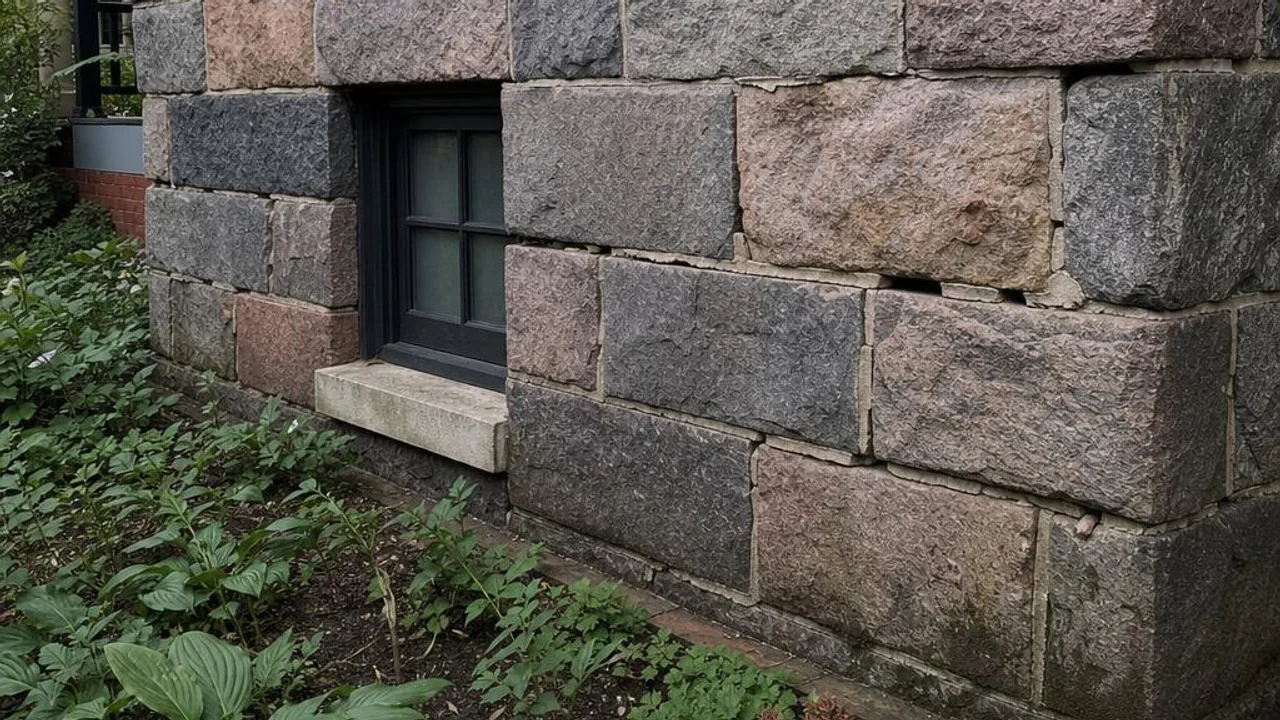
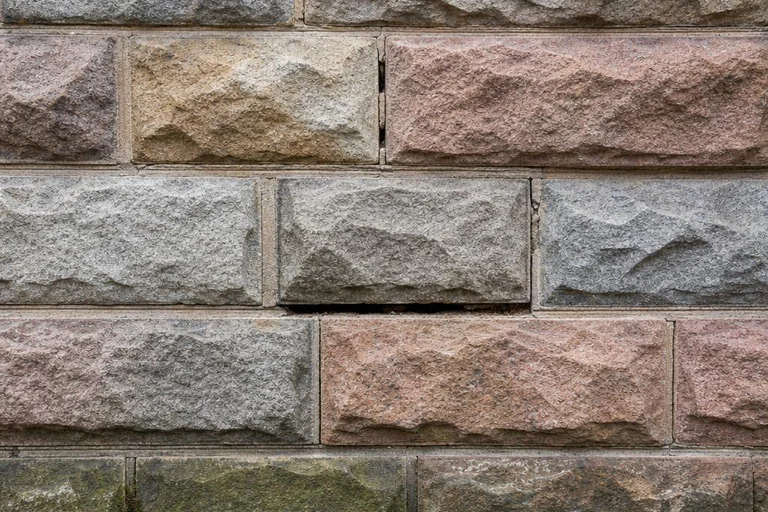
Rock-faced stone foundation with eroded mortar joints, one open bed joint, and moss near grade

Widespread joint loss and displaced packing stones distinguish a restoration scope from one isolated crack repair.

  • ✓Severely deteriorated mortar — widespread mortar loss that has progressed beyond what repointing can address in isolated sections
  • ✓Significant structural compromise — sections of foundation that have lost integrity and require stabilization
  • ✓Aging block or stone foundations on older Grand Rapids homes that have received little maintenance over decades
  • ✓Historic buildings where the foundation requires period-appropriate materials and techniques

Our Foundation Restoration Process

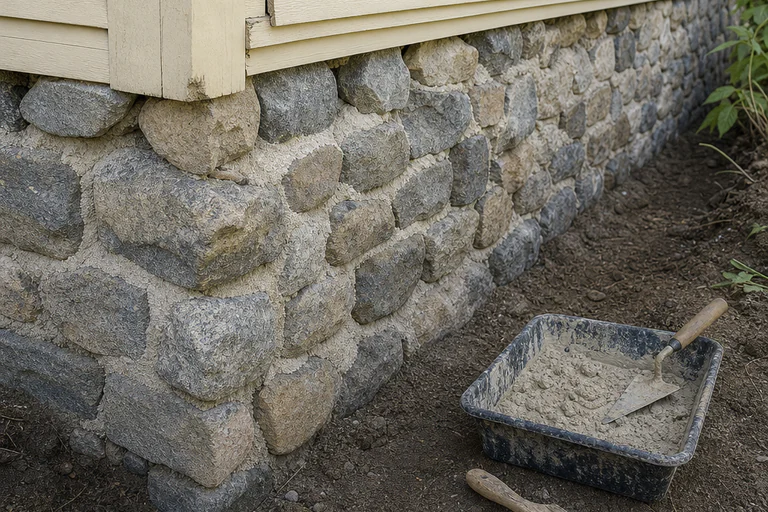
Fieldstone foundation restoration stage with reset stones, cleaned joints, compatible mortar, pan, trowel, and brush

Restoration proceeds in controlled sections so stones remain supported while joints are cleaned, packing stones are reset, and compatible mortar is placed.

1

Structural Assessment

We assess the foundation systematically — identifying load-bearing sections, documenting the extent and type of deterioration, evaluating individual masonry unit condition, and determining the appropriate restoration scope.

2

Stabilization

Any sections of the foundation that present immediate structural concerns are stabilized before broader restoration work begins. This ensures safe working conditions and protects the structure during the restoration process.

3

Masonry Repair & Repointing

Damaged masonry units are repaired or replaced. Mortar is systematically removed and replaced with a mix that is compatible with the foundation material — lime-based mortar for historic brick and stone, appropriate modern mixes for mid-century block foundations.

4

Long-Term Protection

Restored foundation sections receive appropriate moisture protection treatments. Grading and drainage recommendations are provided where exterior water management improvements would support the foundation's long-term performance.

Benefits of Professional Foundation Restoration

✓Addresses widespread foundation deterioration comprehensively rather than through repeated partial repairs
✓Uses historically appropriate materials that work with older masonry rather than accelerating its deterioration
✓Extends the service life of the foundation for many additional decades
✓More cost-effective than foundation replacement, which is disruptive and expensive
✓Provides a clear picture of the foundation's actual condition and what has been done to address it
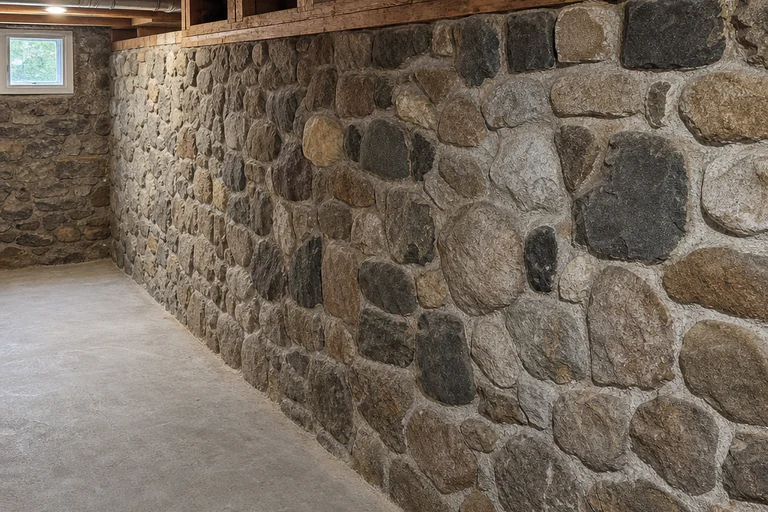
Preserved fieldstone basement wall with full compatible joints below continuous timber bearing

A restored foundation keeps its irregular stone character while re-establishing full joints, stable packing, and continuous bearing.

Request Your Free Foundation Restoration Estimate

Tell us about your project and we'll schedule a free on-site assessment. No obligation — just honest guidance from local masonry specialists.

Tell Us About Your Project

By submitting this form, you agree to our Terms and Conditions and Privacy Policy.

Frequently Asked Questions

What is the difference between foundation repair and foundation restoration?▼

Repair addresses specific, defined problems — a crack, a section of deteriorated mortar, a localized leak. Restoration is a systematic intervention for foundations where deterioration is widespread: a structural assessment, stabilization of at-risk sections, comprehensive repointing and masonry repair, and long-term moisture protection. Many older Grand Rapids foundations with decades of deferred maintenance are better served by restoration than repeated partial repairs.

How is foundation restoration different from foundation repair?▼

Foundation repair typically addresses specific, defined problems — a crack, a section of deteriorated mortar, a localized area of water infiltration. Foundation restoration is a more comprehensive process appropriate when deterioration is widespread or when the foundation has been inadequately maintained over many years. Restoration involves a systematic assessment and remediation across a broader area, addressing not just the most obvious problems but the full scope of what has deteriorated. The right approach depends on the actual condition of the specific foundation.

What about old stone foundations — can they be restored?▼

Yes. Fieldstone and cut stone foundations are common in older Grand Rapids homes, particularly those built in the late 19th and early 20th centuries. These foundations were built with lime mortar that, even when significantly eroded, does not necessarily mean the stone itself is compromised. Restoration of stone foundations typically involves thorough repointing with a compatible lime-based mortar and addressing any stones that have shifted or loosened. When done correctly, restored stone foundations can provide many more decades of reliable service.

Do foundation restoration projects require permits in Michigan?▼

Permit requirements for foundation work depend on the scope of the project and the specific requirements of the local jurisdiction. In Grand Rapids, structural foundation work generally requires a permit. We handle this accurately at the project planning stage — identifying when permits are required and ensuring the work is performed to code. We don't encourage homeowners to skip permits on work that requires them.

How long will a restored masonry foundation last?▼

A thoroughly restored masonry foundation — with sound masonry units, properly matched new mortar, and appropriate moisture protection — should provide reliable performance for many decades. The original foundations in many Grand Rapids homes have been in place for 80 to 100 years; a restored foundation in good condition can be expected to last a comparable period with appropriate periodic maintenance. The critical factor is addressing any moisture management issues at the same time so the restored masonry isn't subjected to the same conditions that caused the original deterioration.

Foundation Restoration Service Areas

Serving West Michigan communities with expert foundation restoration services