

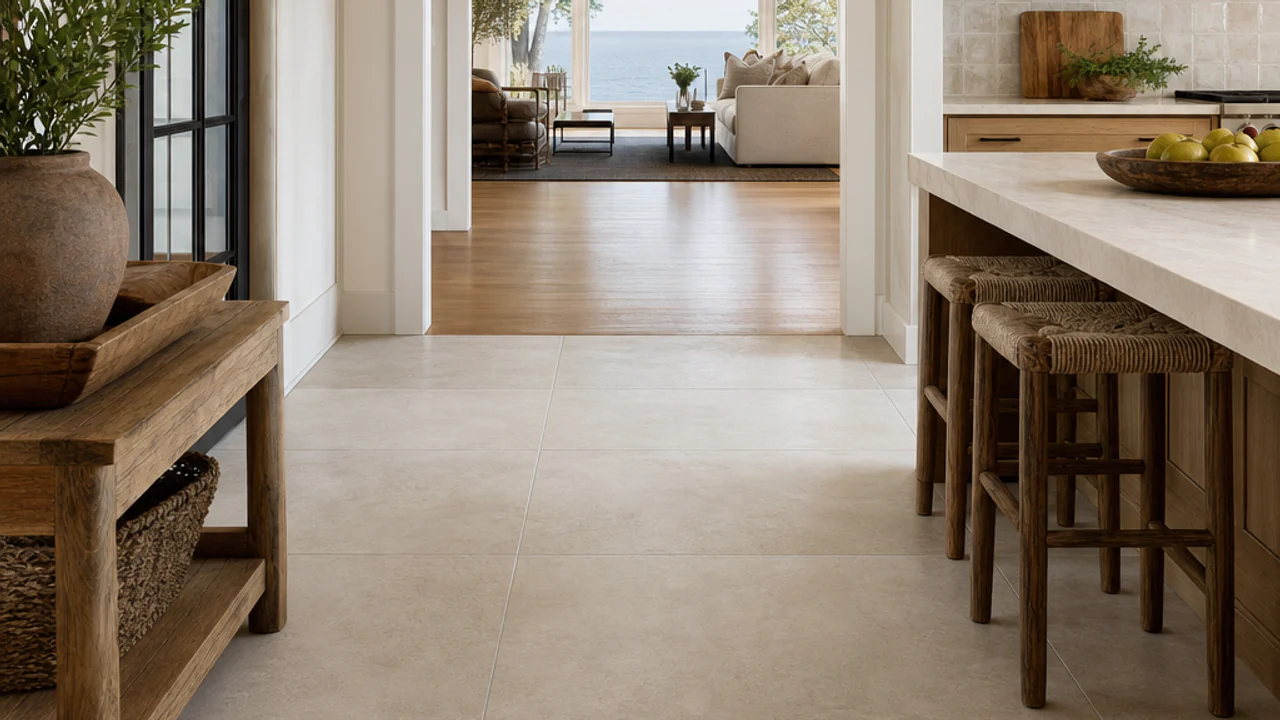
Tile Contractor in Grand Rapids, MI
Indoor tile work does not wait on Michigan weather. Grand Rapids Masonry & Restoration brings professional substrate assessment, waterproofing, layout planning, and precision setting to shower, bathroom, kitchen, and entryway projects year-round.
About Our Tile Contractor Services
Grand Rapids Masonry & Restoration is a tile contractor serving Greater Grand Rapids and West Michigan. Whether you searched for tile installation near me, shower tile installers, kitchen backsplash installation, or tile floor work, each project type below has its own service page with scope, process, and pricing guidance. We approach tile work with the same attention to substrate conditions and setting practices that we bring to structural masonry — because the two trades share the same foundational principle: the surface finish is only as good as what it's bonded to.
The most common cause of tile installation failure isn't the tile or the grout — it's inadequate substrate preparation. Subfloors that aren't flat enough for the tile size selected, substrates that have too much deflection under load, and surfaces that weren't properly cleaned and primed before setting all produce tile work that looks fine initially and develops problems later. Our process starts with an honest assessment of the existing substrate conditions, identifies what preparation is needed, and builds that into the project scope rather than discovering it mid-installation.
Tile selection for different applications requires understanding how different materials perform in real conditions. Porcelain tile is exceptionally durable and low-maintenance for floor applications; ceramic tile works well for backsplash and dry wall applications. Natural stone tile adds a different aesthetic dimension but requires more maintenance and consideration of sealing. We discuss the actual tradeoffs for each material in the context of the specific application during the planning conversation — not just aesthetics, but long-term performance and maintenance requirements.
Tile Contractor Services We Offer
8 indoor tile services, grouped by where the work happens — all of it schedulable through a Michigan winter.
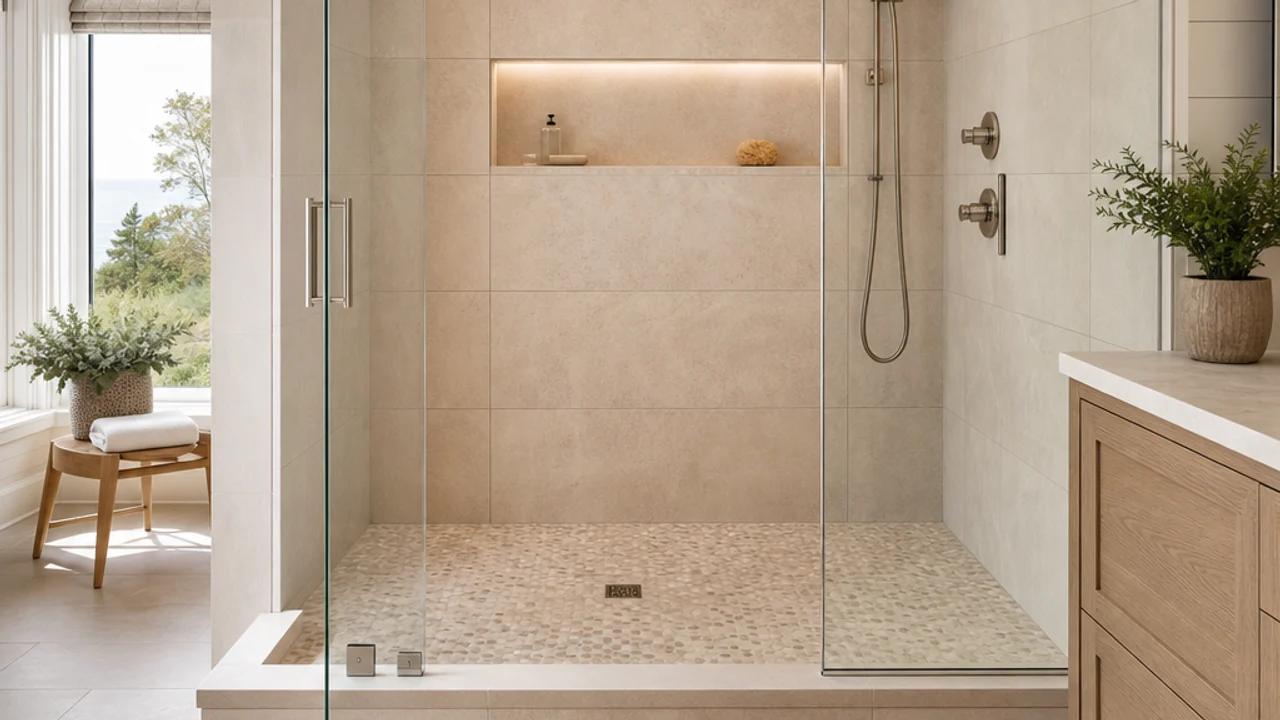
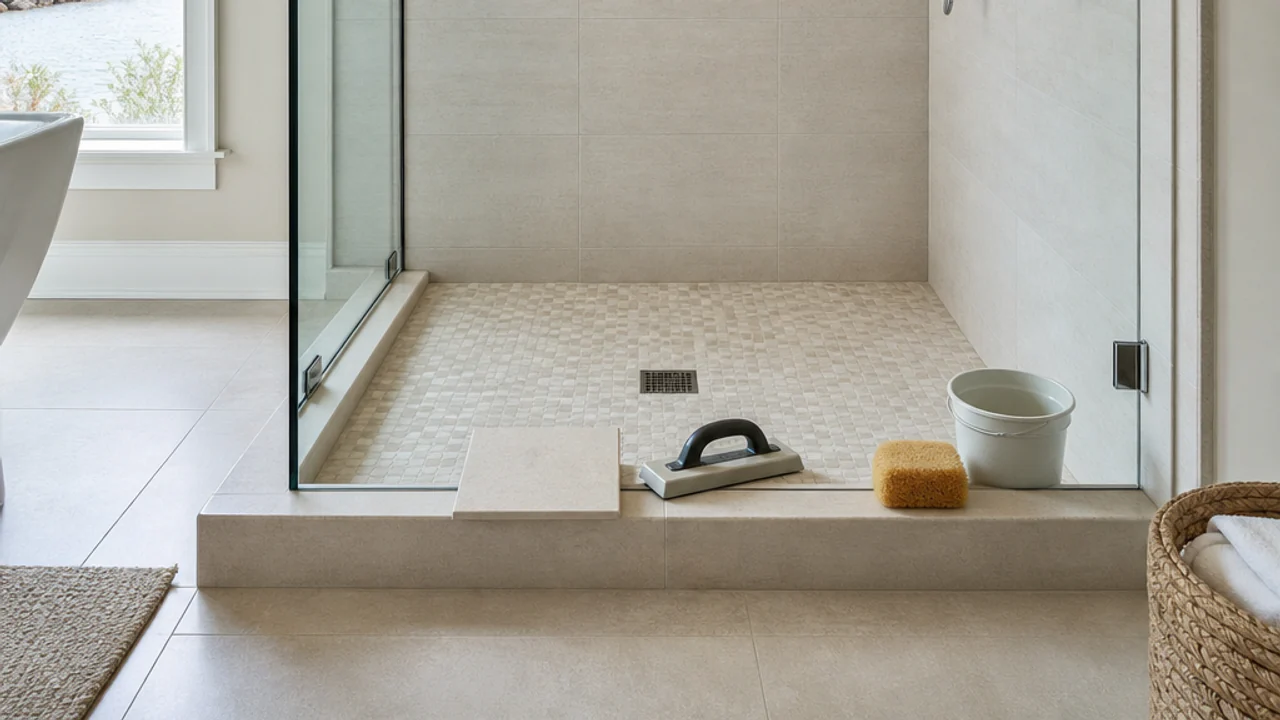
Showers and bathrooms
Tile and the waterproofing assembly behind it — the wet-area work that has to be right before the tile goes on.
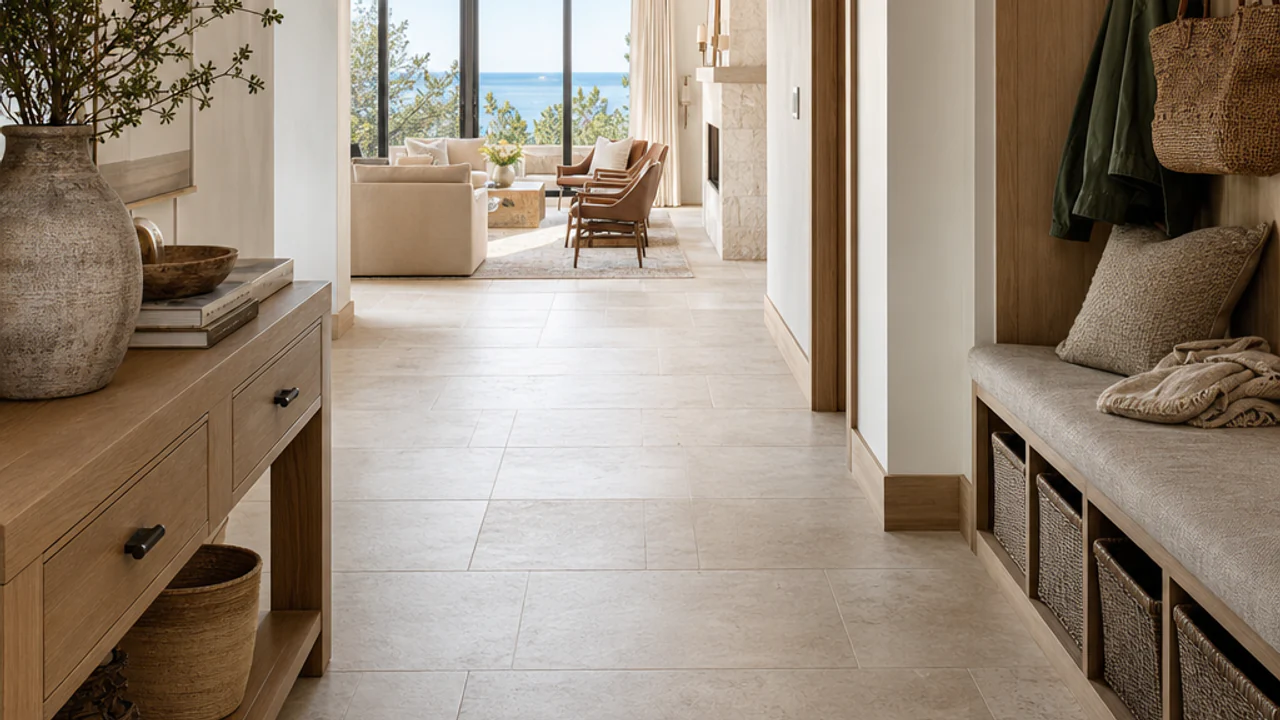
Floors and heated floors
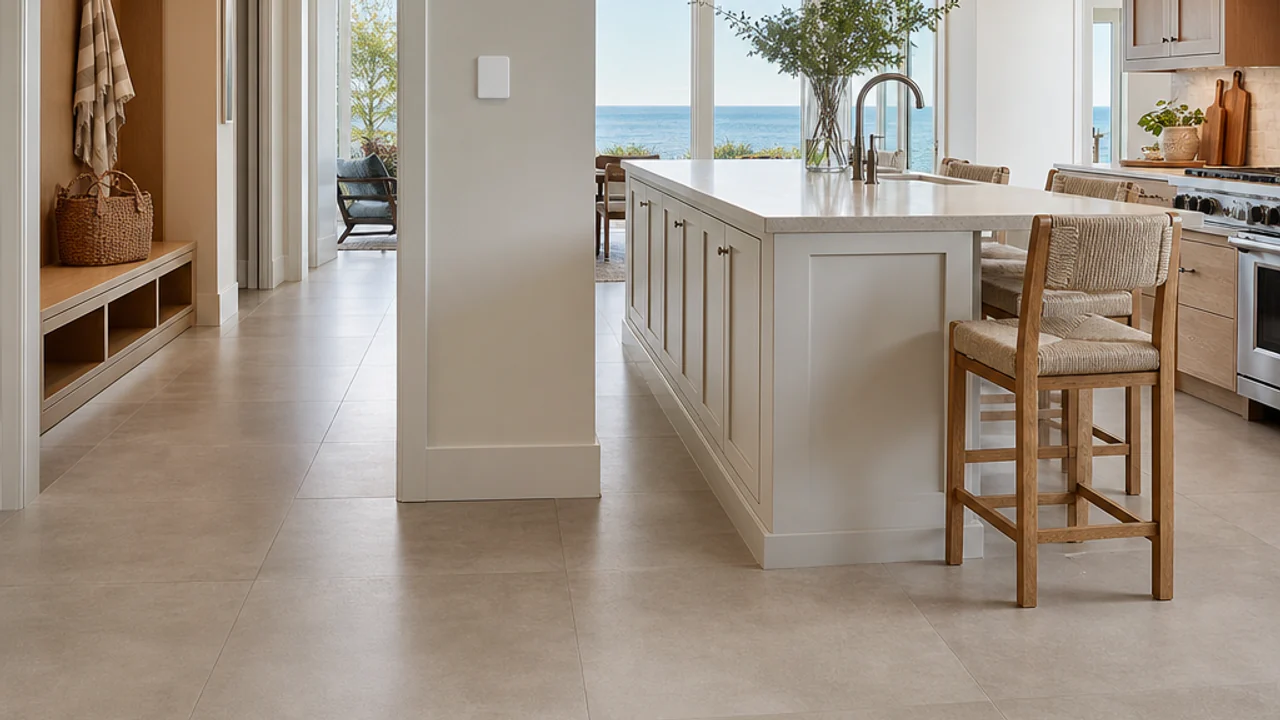
Kitchens, entryways, mudrooms, and living areas — including tile set over in-floor radiant heat.
Backsplashes, hearths, and accent tile
Wall and feature tile where layout planning and clean terminations decide how the finished work reads.
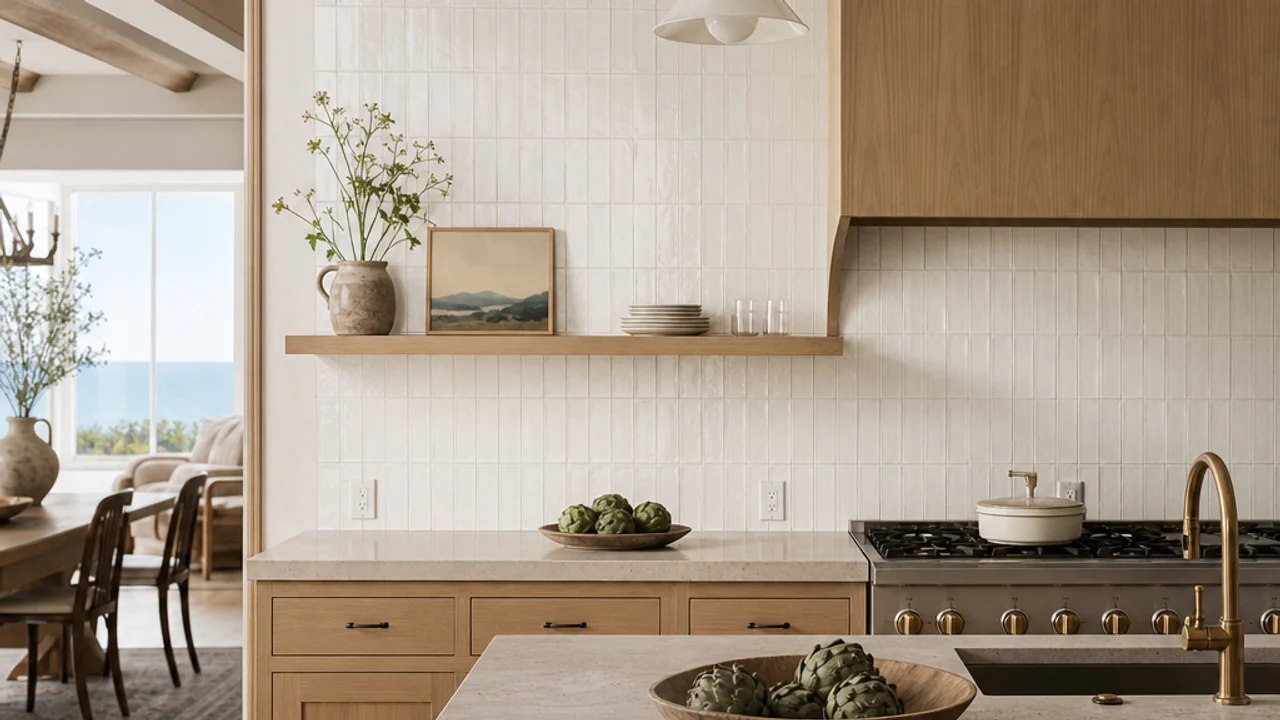
Kitchen Backsplash
Kitchen backsplash installation near Grand Rapids, MI — ceramic, porcelain, mosaic and accent wall tile. Year-round indo...
Learn More
Fireplace & Hearth
Fireplace tile installation in Grand Rapids, MI — hearth and surround tile, stone hearths, and dated fireplace refacing....
Learn MoreRepair and regrouting
Cracked grout, loose tile, and failing joints — with an honest answer on whether a repair will hold.
Replacement and tear-out
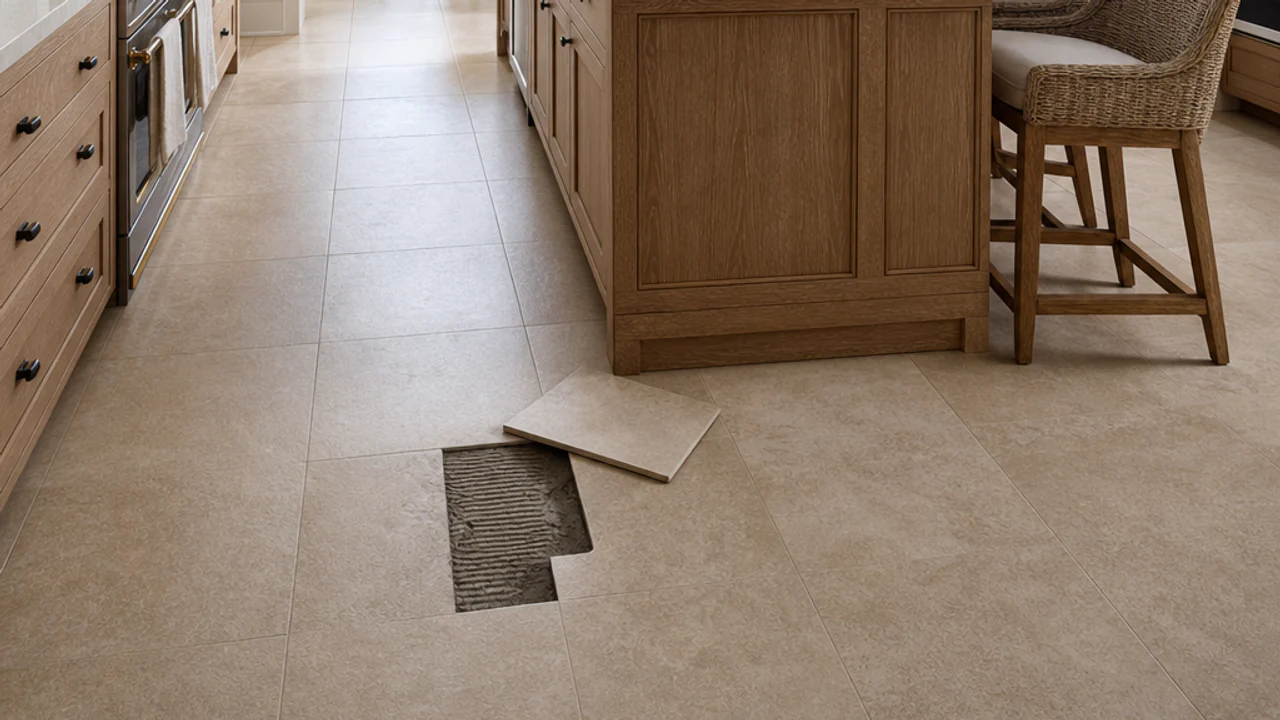
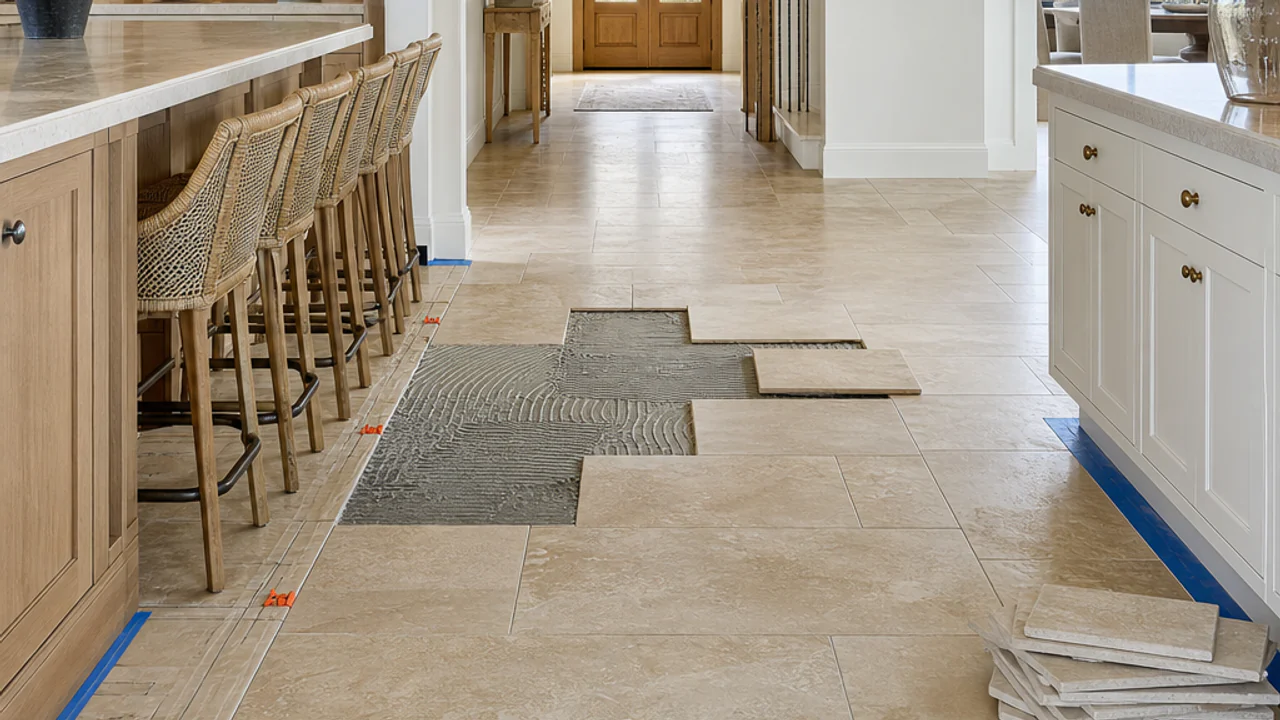
When the old surface is past repairing: tile out, debris hauled away, the substrate underneath corrected, and new tile set — one scope, one crew.
Small indoor projects welcome
Not sure which tile service fits?
Browse backsplashes, entryways, fireplace surrounds, localized tile replacement, grout repair, and other contained projects without changing the owner page for each service.
Choose a Small Tile ProjectIndoor Tile Guides for Michigan Winters
Tile is the masonry work that keeps going when exterior season stops. These guides cover what is workable indoors, how the prep is done, and what to expect on timing.
Why Is Winter the Best Time for Tile Projects in Michigan?
Yes — indoor tile in kitchens, entryways, mudrooms, and backsplashes can be scheduled through Michigan winters. Learn why winter timing often works better for West Michigan homeowners.
Read GuideWhat Are the Best Indoor Tile Projects for Michigan Winters?
Kitchen floors, entryways, mudrooms, backsplashes, and fireplace hearth tile are the strongest winter tile projects because they are indoor, climate-controlled work in West Michigan homes.
Read GuideWhat Tile Works Best for Michigan Entryways and Mudrooms?
Entryway and mudroom tile needs slip resistance, durability against salt and moisture, and a flat substrate that handles seasonal tracking without cracked grout or lippage.
Read GuideHow Does Kitchen Tile Floor Installation Work in Grand Rapids Homes?
Kitchen tile floor installation starts with subfloor assessment — flatness, stiffness, and moisture — before tile is selected or set. Here is how the process works in Grand Rapids homes.
Read GuideWhat Kitchen Backsplash Tile Works Best in West Michigan Homes?
The best kitchen backsplash tile balances moisture resistance near the sink, ease of cleaning, and layout that handles outlets and window casings cleanly.
Read GuideWho Installs Kitchen Backsplash in Grand Rapids?
Kitchen backsplash installation is done by tile contractors and qualified masons — not big-box store installers alone. Here is who to hire in Grand Rapids and what professional installation includes.
Read GuideWho Installs Shower Tile in Grand Rapids?
Shower tile installation is handled by tile contractors who build the waterproofing assembly behind the tile — not just set finish tile. Here is who to hire in Grand Rapids and what the scope includes.
Read GuideShould You Regrout Shower Tile or Rebuild the Shower?
Regrouting shower tile is worth it when the tile is sound and the waterproofing is intact. When grout keeps reopening or there is a stain below the shower, the problem is usually behind the tile — not in the grout.
Read GuideWho Installs Tile in East Grand Rapids?
Tile in East Grand Rapids is installed by tile contractors who handle shower waterproofing, kitchen backsplashes, mudroom floors, and fireplace hearths — not handymen or big-box add-on crews alone. Here is who to hire and what to expect.
Read GuideWhen Should You Replace Tile Instead of Repairing It?
Tile repair fixes a surface that stays in place. Tile replacement tears the old surface out, hauls debris away, corrects the substrate, and sets new tile. Here is how to tell which one your Grand Rapids project actually needs.
Read GuideTile Installation by City in West Michigan
We serve homeowners throughout the Grand Rapids metro area and West Michigan. Select your city for local tile installation information and service details.
Frequently Asked Questions
Who is a tile contractor near me in Grand Rapids?
Grand Rapids Masonry & Restoration is a tile contractor serving Greater Grand Rapids and West Michigan — including East Grand Rapids, Grand Haven, Holland, Spring Lake, Caledonia, Allendale, and Hudsonville. We install shower tile with waterproofing, kitchen and bathroom floors, backsplashes, fireplace hearths and surrounds, and handle tile repair and replacement. Each project type has a dedicated service page on this hub. Estimates are free.
Who does tile installation near me in West Michigan?
Grand Rapids Masonry & Restoration provides professional tile installation throughout the Grand Rapids metro and West Michigan. Shower and bathroom tile includes the waterproofing assembly behind it. Kitchen floors, entryways, mudrooms, backsplashes, and fireplace tile are all indoor work that can be scheduled year-round. Select the service that matches your project on this page, or use the small tile jobs selector if you are not sure which scope fits.
Why is winter a good time for tile projects in Michigan?
Showers, bathrooms, kitchen floors, entryways, mudrooms, backsplashes, and fireplace tile are all indoor work — unaffected by cold outdoor temperatures or snow. Homeowners often find more scheduling flexibility in winter before spring exterior masonry demand picks up. The preparation and setting standards are the same in every season; what changes is that indoor tile lets you improve your home without waiting for warmer weather.
What tile work does Grand Rapids Masonry & Restoration handle?
We install shower tile and the waterproofing behind it, bathroom floor and wall tile, floor tile in kitchens, entryways, mudrooms, and common areas, backsplash and wall tile, and fireplace hearth and surround tile. We also handle tile repair and regrouting on surfaces that stay in place, full tile replacement where the old surface is torn out and hauled away before new tile goes in, shower tile repair, and tub-to-shower conversions. Full bathroom remodeling is not an active service; plumbing, electrical, vanities, fixtures, and cabinetry are separate trade scopes that we coordinate with rather than perform.
Do you waterproof showers or only set the tile?
Both, as one scope. In a tile shower the waterproofing assembly — the sloped pan, the membrane, and the sealed treatment of every corner, curb, and penetration — is what keeps water out of the framing. Tile and grout are the wearing surface, and grout absorbs water. We build the pan, detail the membrane, and set the tile together so responsibility for the assembly is not split. Plumbing and electrical work remain separate trade scopes that we coordinate with.
What is the difference between ceramic and porcelain tile?
Both are clay-based products fired in a kiln, but they differ in density and water absorption. Porcelain is fired at higher temperatures, making it denser and nearly impervious to water absorption. Ceramic absorbs more moisture and is generally softer. For floor applications — particularly in kitchens, entryways, and high-traffic areas — porcelain is the better choice for durability and moisture resistance. Ceramic tile is appropriate for wall and backsplash applications where it won't see heavy foot traffic or sustained moisture exposure.
How should grout be maintained after tile installation?
Grout in floor and backsplash applications benefits from sealing after installation and periodic re-sealing over time. Sealer limits moisture and stain penetration, making routine cleaning more effective and extending the period before any grout maintenance is needed. The frequency of re-sealing depends on traffic, use, and the grout type. Properly sealed grout in a kitchen backsplash or floor can go several years between sealer applications under normal conditions. Using appropriate grout cleaners — not acidic household cleaners that can etch grout over time — also extends grout condition.
Can tile be installed over an existing tile floor?
Installing new tile over existing tile is sometimes possible but involves tradeoffs. The added thickness can create clearance conflicts at cabinet toe kicks, door thresholds, and floor transitions to adjacent rooms. The existing tile must be firmly bonded, flat, and free of significant cracks. We assess this during the estimation visit and give an honest recommendation on whether overlay installation or removal of the existing tile is the better approach for the specific situation.
Other Services We Offer
Masonry Contractor
From natural stone patios to foundation repair and stone veneer installations — Grand Rapids Masonry & Restoration provides professional masonry work built for Michigan's climate.
View ServicesBricklayer
Grand Rapids has a wealth of brick buildings — from early 20th-century homes to mid-century commercial structures — that require skilled bricklayer attention to stay sound and weather-tight through Michigan winters.
View ServicesBuilding Restoration Service
Grand Rapids has significant historic masonry architecture worth preserving. Grand Rapids Masonry & Restoration specializes in stone and brick restoration that uses historically appropriate materials and techniques to protect older buildings rather than inadvertently damage them.
View ServicesReady to Get Started?
Contact Grand Rapids Masonry & Restoration for a free estimate on any tile contractor project in Grand Rapids and surrounding communities.