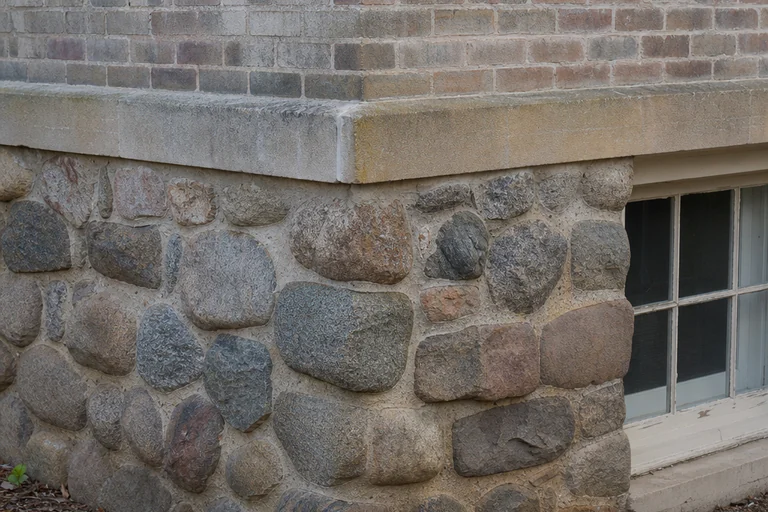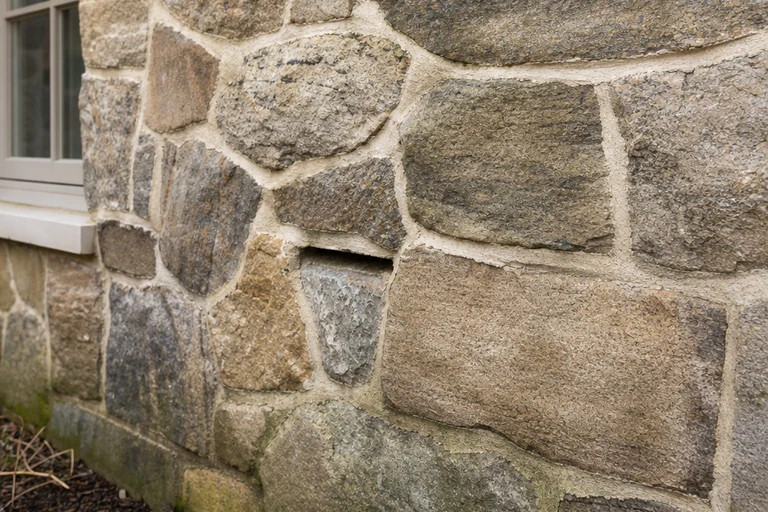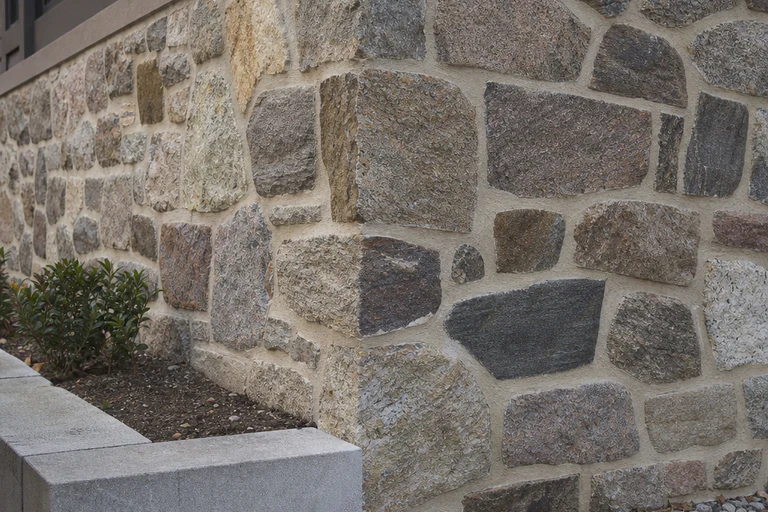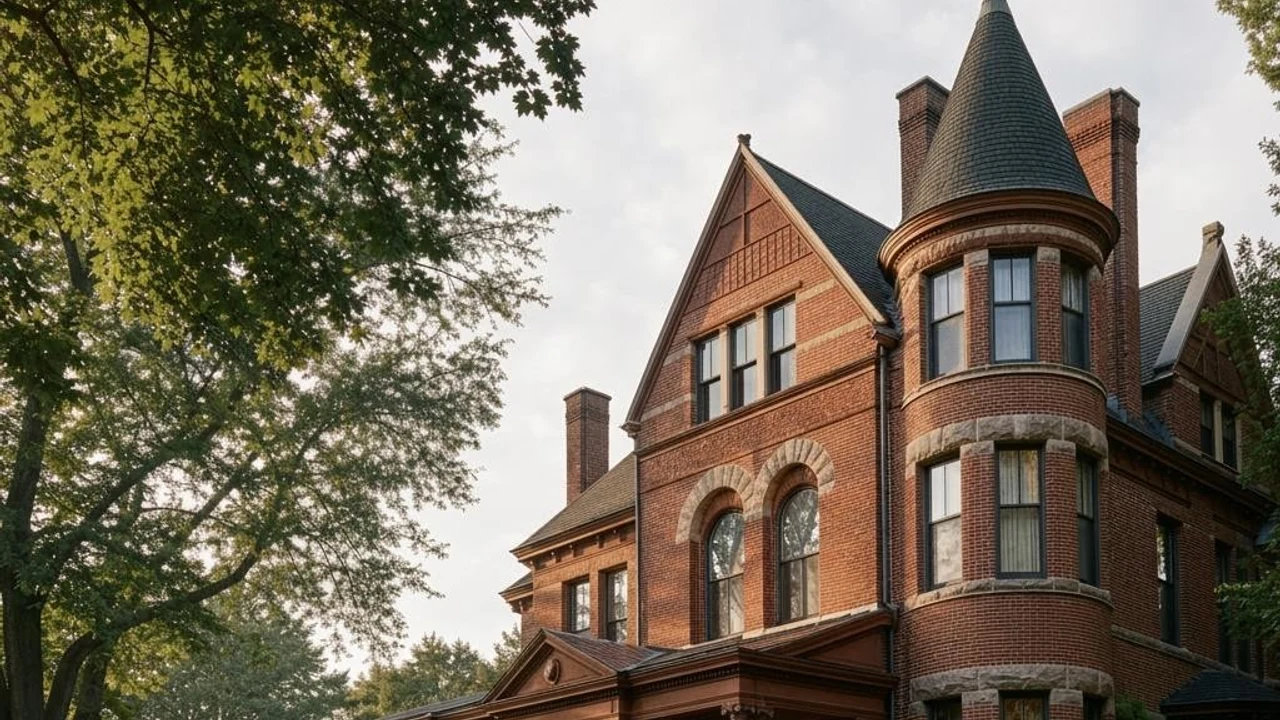

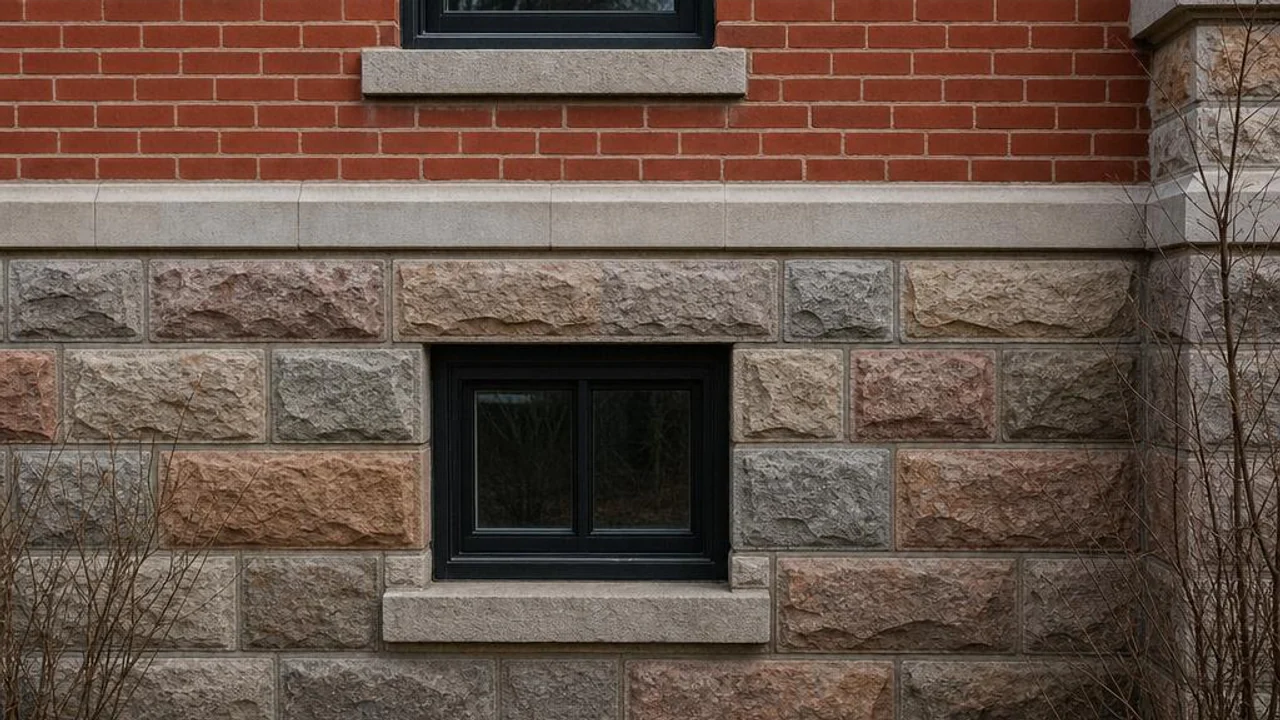
Natural stone has been used in Grand Rapids construction and landscaping for well over a century — in building foundations, architectural details, retaining walls, steps, and landscape features. Unlike brick, stone has no fired ceramic structure to degrade, but it is not immune to weathering. Over time, natural stone surfaces erode, joints between stones fail, biological growth takes hold in porous surfaces, and iron minerals in some stone types oxidize and stain. All of these conditions respond well to professional restoration when addressed with the right approach.
Stone restoration typically involves some combination of cleaning, joint repair, structural stabilization, and protective treatment. The appropriate scope for any given project depends on the stone type, the nature and extent of the deterioration, and the building's age and significance. A limestone foundation from the late 1800s requires a very different approach than a more recently installed granite landscape feature. The starting point is always an honest assessment of what the stone actually needs.
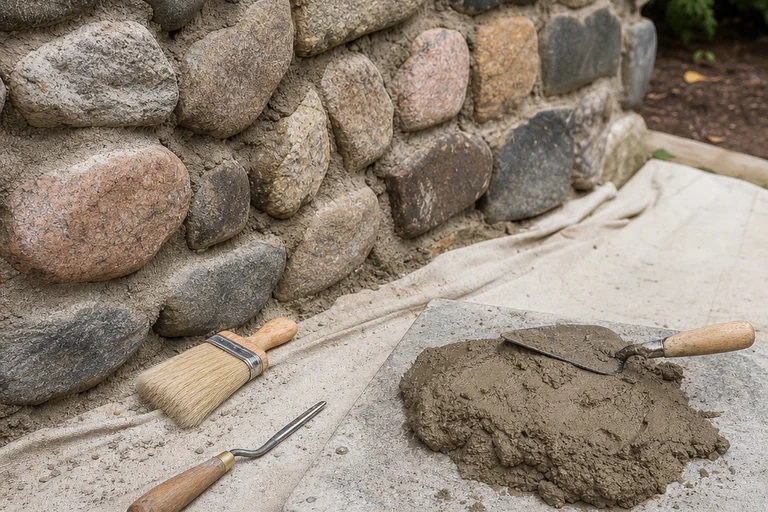
Joint repair is one of the most common components of stone restoration work. The mortar between stones degrades over time, particularly in Michigan's climate, and deteriorated joints allow water infiltration that accelerates stone weathering and can cause freeze-thaw damage to the stone itself. Repointing stone joints requires attention to mortar composition — historically, lime-based mortars that are softer than the stone were used, and replicating this approach on older stone is important for preventing the damage that can occur when hard modern mortar is used against softer historic stone.
Cleaning stone is a nuanced process. Different stone types respond differently to water, chemical treatments, and mechanical cleaning. Limestone and sandstone are considerably more porous and sensitive than granite. Biological staining — lichens, moss, algae — requires different treatment than iron staining or pollution-related soiling. We assess the stone type and staining condition before recommending a cleaning approach, because the wrong method can cause surface damage that is difficult or impossible to reverse.