

What Are the Best Indoor Tile Projects for Michigan Winters?
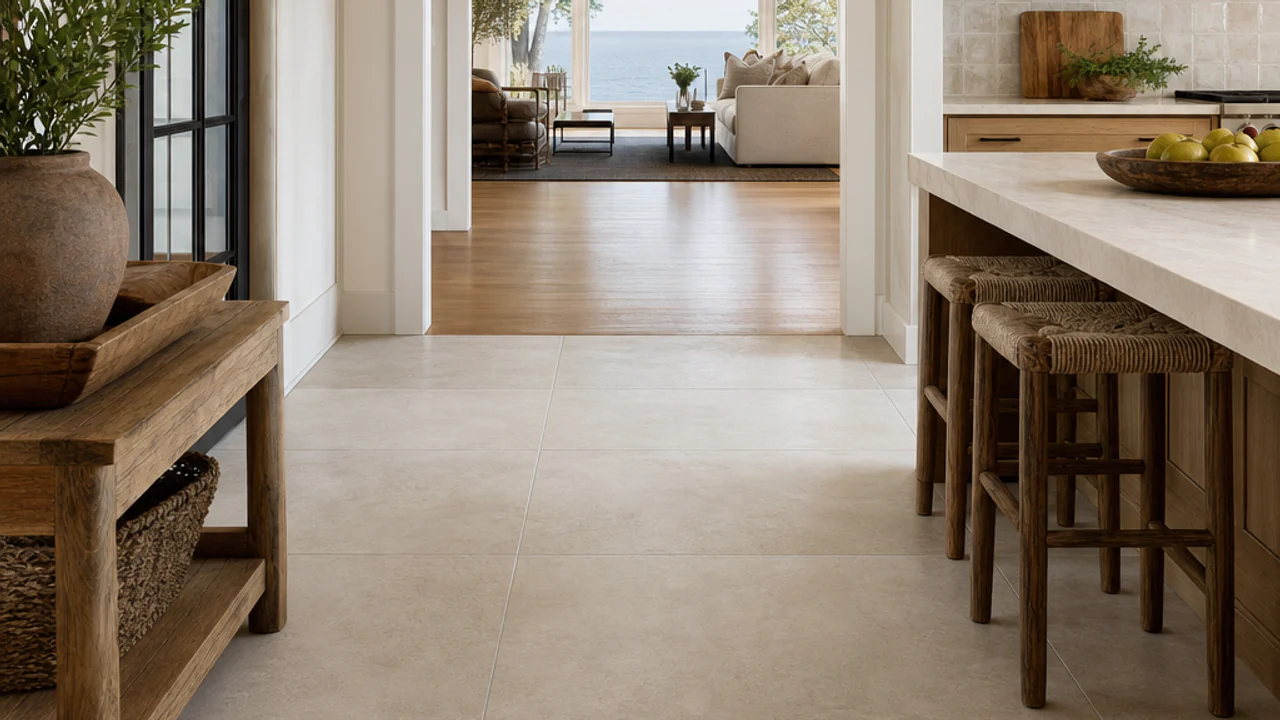
Kitchen floors, entryways, mudrooms, backsplashes, and fireplace hearth tile are the strongest winter tile projects because they are indoor, climate-controlled work. While exterior masonry waits on Michigan weather, these upgrades move forward without compromising installation quality.
What is the best tile for a Michigan entryway or mudroom?
Porcelain tile rated for floor use is the most durable choice for Michigan entryways and mudrooms. It handles tracked-in moisture, salt, and grit better than ceramic wall tile and holds up under heavy foot traffic when the substrate is prepared correctly.
Matte or lightly textured finishes usually provide better traction when floors are wet from boots and snow melt than polished surfaces. Large-format porcelain reduces grout lines in high-traffic paths — fewer joints to clean, though layout and flatness requirements are stricter. See our tile floor installation page for how we assess mudroom substrates.
Should I replace my kitchen floor tile in winter?
Replacing kitchen floor tile in winter is practical when the kitchen can stay heated and you can plan around appliance access during the project. Subfloor prep — leveling, backer or uncoupling layers, and transition planning — determines success more than season.
Many West Michigan homeowners use winter for kitchen tile because exterior projects are on hold and indoor trades have more availability. If the existing floor needs removal, we assess whether overlay is possible or full tear-out is the better approach before work starts.
Can a kitchen backsplash be installed in cold weather?
A kitchen backsplash can be installed in cold weather because it is wall tile in a heated room. Temperature near the counter and cabinets stays stable, so kitchen backsplash tile setting proceeds normally when the substrate is flat and clean.
Layout matters as much as timing: outlets, window casings, and counter edges need planned cuts so the finished field looks intentional. Winter scheduling does not change those standards — it just makes indoor wall tile easier to book.
Is fireplace hearth tile a good winter project?
Fireplace hearth and surround tile is a strong winter project. Living spaces stay heated, and updating hearth tile improves the room you use most during Michigan's cold months. We set hearth tile with the same substrate and layout discipline as floor and backsplash work.
Confirm the existing hearth structure is sound before selecting tile. Heavy stone-look porcelain or ceramic can work well when the base is stable and transitions to flooring are planned cleanly.
What tile projects does GRMR handle in winter?
Grand Rapids Masonry & Restoration installs shower tile and the waterproofing behind it, bathroom floor and wall tile, kitchen and entryway floors, backsplashes, fireplace hearths, and accent tile. Shower and bathroom projects are among the strongest winter work because they are entirely indoors.
Full bathroom remodeling is not an active GRMR service. Plumbing, electrical, vanities, fixtures, and cabinetry are separate trade scopes. We handle the tile and the waterproofing assembly and coordinate with the trades that handle the rest, so a bathroom project is planned across both scopes rather than stalling between them.
Ranch split-levels and two-story foyers across the Grand Rapids metro often combine a mudroom tile project with a kitchen backsplash in one winter — both stay indoors and off the exterior calendar.
Explore our tile contractor services, shower tile installation, kitchen backsplash tile setting, tile floor installation, and small tile jobs, or contact us for a free estimate on your indoor tile project.
Frequently Asked Questions
What indoor tile projects add the most value in winter?
Kitchen floors, mudroom and entryway tile, backsplashes, and fireplace hearths add daily usability while exterior work is paused. They are fully indoor, so weather does not delay completion when the home stays heated.
Is porcelain or ceramic better for entryway floors?
Porcelain is generally better for entryway floors because it is denser and more resistant to moisture and abrasion. Ceramic works well on walls and backsplashes; floors that see boots, salt, and snow melt benefit from porcelain rated for floor use.
Do I need to move out during tile floor installation?
Usually not for a single-room floor. You may need to avoid the work area during installation and initial cure. We discuss furniture, appliance, and access planning during the estimate so daily life stays manageable.
Can I combine multiple indoor tile projects in one winter?
Yes — many homeowners schedule a mudroom floor and kitchen backsplash in the same season. Sequencing depends on crew availability and cure times between phases; we outline a realistic schedule before work begins.
Need Professional Help?
If you've identified masonry issues or need a professional inspection, Grand Rapids Masonry & Restoration is here to help. We serve the Grand Rapids metro area and surrounding communities.
Related Articles
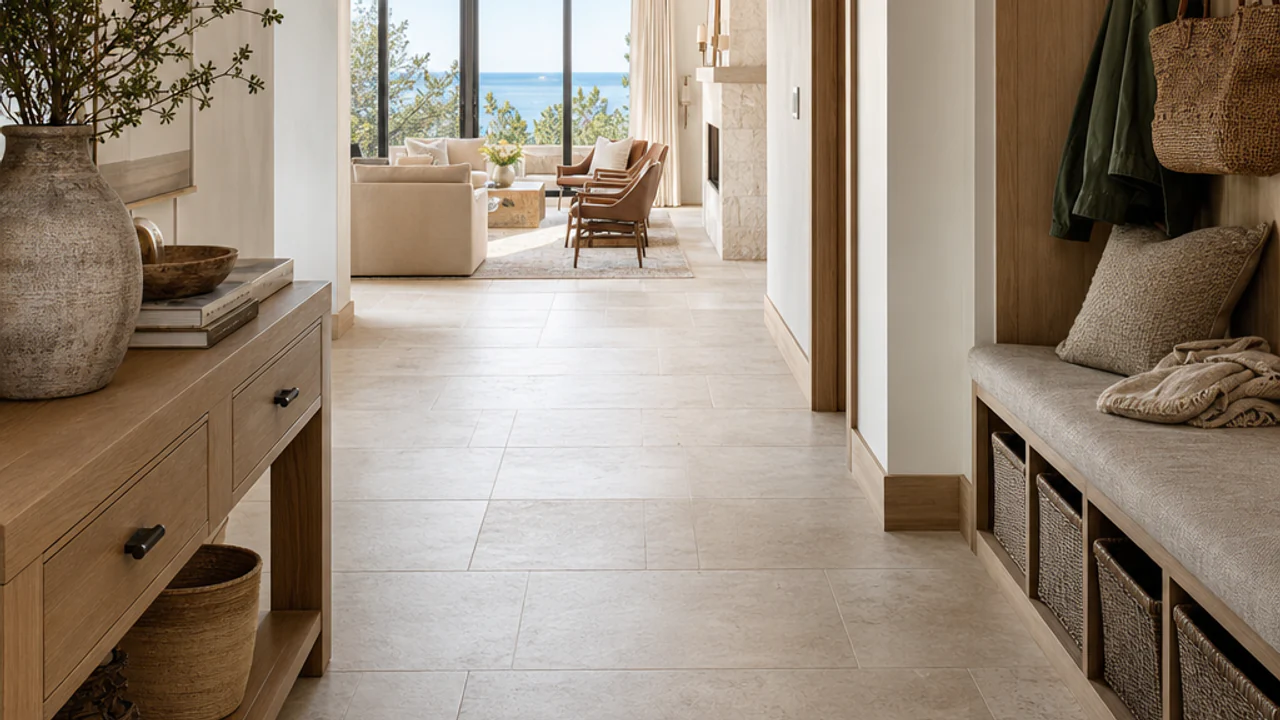
Why Is Winter the Best Time for Tile Projects in Michigan?
Yes — indoor tile in kitchens, entryways, mudrooms, and backsplashes can be scheduled through Michigan winters. Learn why winter timing often works better for West Michigan homeowners.
What Tile Works Best for Michigan Entryways and Mudrooms?
Entryway and mudroom tile needs slip resistance, durability against salt and moisture, and a flat substrate that handles seasonal tracking without cracked grout or lippage.
How Does Kitchen Tile Floor Installation Work in Grand Rapids Homes?
Kitchen tile floor installation starts with subfloor assessment — flatness, stiffness, and moisture — before tile is selected or set. Here is how the process works in Grand Rapids homes.
Tile Services in Greater Grand Rapids
Grand Rapids Masonry & Restoration handles indoor tile work year-round — showers, floors, backsplashes, repair, and replacement across the Grand Rapids metro.
View all tile contractor services →