

Why Is Winter the Best Time for Tile Projects in Michigan?
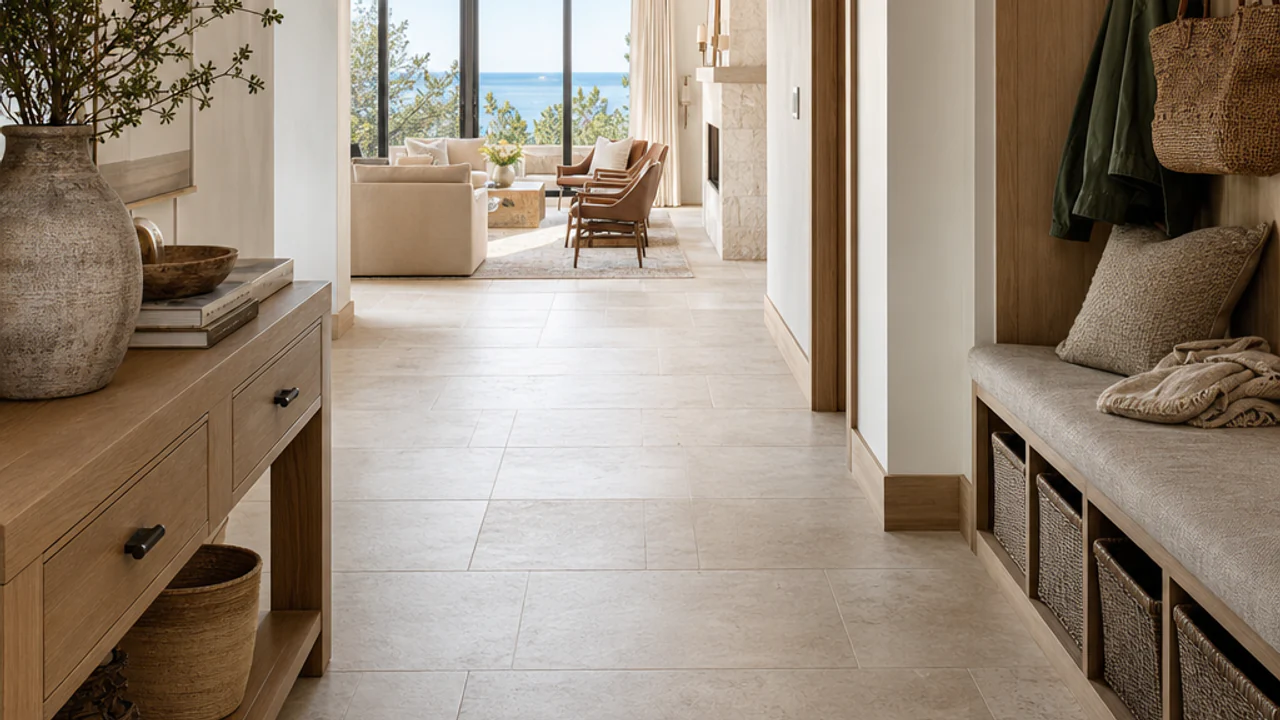
Yes — indoor tile work in kitchens, entryways, mudrooms, and backsplashes can be scheduled through Michigan winters because the work happens inside a heated home, unaffected by cold or snow. Winter is often a practical time to book tile projects before spring exterior masonry demand picks up across Greater Grand Rapids.
Can you install tile floors during a Michigan winter?
You can install tile floors during a Michigan winter when the room is heated to normal living temperatures. Kitchens, mudrooms, entryways, and open living areas in a conditioned West Michigan home are suitable for tile floor installation in January as well as July — outdoor weather does not affect indoor setting and grouting.
The work area needs stable interior temperature and humidity while mortar and grout cure. Unheated garages, porch additions with heat turned off, or spaces that stay cold for long stretches are poor candidates until they are warmed and kept that way through the curing period.
What indoor tile projects can be done in winter?
The strongest winter tile projects are fully indoor: shower tile and tub surrounds, bathroom floors, kitchen floors, entryway and mudroom tile, kitchen backsplashes, fireplace hearths and surrounds, and accent wall tile. These spaces stay climate-controlled through Michigan's freeze-thaw season, so scheduling does not depend on dry outdoor conditions.
Grand Rapids Masonry & Restoration handles both dry-area tile — kitchens, foyers, mudrooms, and hearth features — and wet areas including shower tile installation and shower tile repair, where the waterproofing behind the tile is part of the work. If your project is entirely inside and heated, winter is usually a viable season.
Does cold weather affect tile mortar and grout cure times indoors?
Cold outdoor weather does not change cure behavior in a heated interior room. Modified thinset and grout cure based on temperature and moisture in the space where they are applied — not the season outside.
What matters is keeping the work area at normal interior conditions during installation and through the manufacturer's recommended cure window. Turning heat down dramatically or leaving a room unheated mid-project can slow curing or weaken bond — the same risk exists in any season if the room is not maintained.
Why do contractors have more availability for tile work in winter?
Many masonry contractors in West Michigan shift heavily toward exterior brick, stone, and patio work in spring and fall. Indoor tile often has more open scheduling in late fall and winter because crews are not waiting on frost-free nights or dry ground for outside jobs.
Homeowners who plan kitchen or entryway tile during the off-season frequently get preferred start dates and fewer conflicts with exterior restoration work. That does not mean every contractor is idle — but indoor tile is less likely to compete with peak-season exterior demand.
How long does a typical kitchen or entryway tile project take?
Timeline depends on scope and substrate conditions, not the calendar. A kitchen backsplash is often a short project when the wall is sound and layout is straightforward. A kitchen or entryway floor with subfloor leveling, large-format tile, and multiple transitions typically takes longer because prep and staged curing add days.
Setting mortar needs cure time before grouting, and grout needs time before heavy use. We provide realistic timelines during the estimate based on your specific room, tile size, and any prep work required — not a one-size-fits-all schedule.
West Michigan entryways see boots, salt, and meltwater every winter — another reason homeowners schedule mudroom and foyer tile while exterior masonry waits for spring. Proper substrate prep matters more than the month on the calendar.
Ready to schedule indoor tile work? Explore our tile contractor services, shower tile installation, tile floor installation, and small tile jobs, or request an estimate from Grand Rapids Masonry & Restoration.
Frequently Asked Questions
Can tile be installed in winter in Michigan?
Yes, when the work is inside a heated home. Kitchens, mudrooms, entryways, and backsplashes are unaffected by outdoor cold. Keep normal interior temperature during installation and curing so mortar and grout bond correctly.
Is winter a good time for kitchen tile floors?
Winter is often a good time for kitchen tile floors because the work stays indoors while exterior projects pause. Scheduling can be easier before spring demand, and the same subfloor prep standards apply in every season.
What tile work should wait until spring?
Exterior tile, unheated spaces, and any installation where the room cannot stay at normal living temperature should wait. Heated indoor rooms are fine year-round; garages and cold additions need heat before tile work begins.
How do I prepare for a winter tile installation?
Clear the work area, maintain normal heat in the home, and discuss furniture movement during the estimate. Subfloor assessment happens on-site — older Grand Rapids homes often need leveling or backer work before tile goes down.
Need Professional Help?
If you've identified masonry issues or need a professional inspection, Grand Rapids Masonry & Restoration is here to help. We serve the Grand Rapids metro area and surrounding communities.
Related Articles
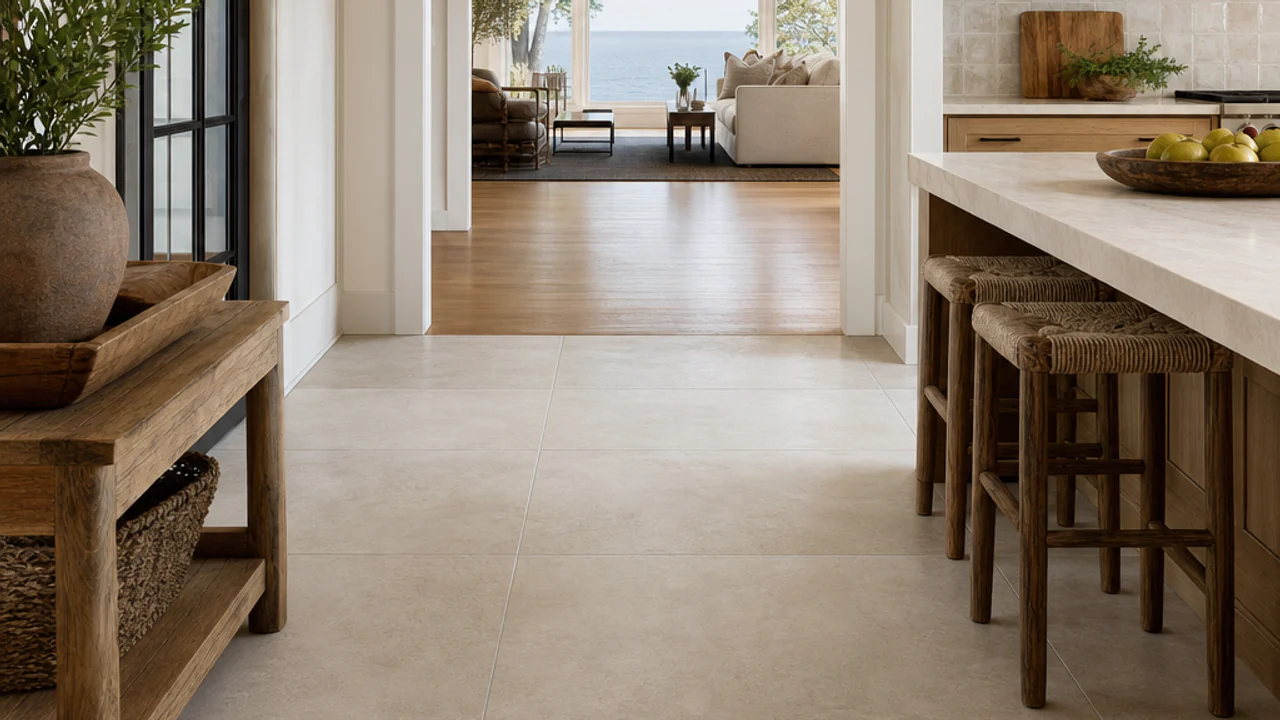
What Are the Best Indoor Tile Projects for Michigan Winters?
Kitchen floors, entryways, mudrooms, backsplashes, and fireplace hearth tile are the strongest winter tile projects because they are indoor, climate-controlled work in West Michigan homes.
What Tile Works Best for Michigan Entryways and Mudrooms?
Entryway and mudroom tile needs slip resistance, durability against salt and moisture, and a flat substrate that handles seasonal tracking without cracked grout or lippage.
How Does Kitchen Tile Floor Installation Work in Grand Rapids Homes?
Kitchen tile floor installation starts with subfloor assessment — flatness, stiffness, and moisture — before tile is selected or set. Here is how the process works in Grand Rapids homes.
Tile Services in Greater Grand Rapids
Grand Rapids Masonry & Restoration handles indoor tile work year-round — showers, floors, backsplashes, repair, and replacement across the Grand Rapids metro.
View all tile contractor services →