
Why Is Winter the Best Time for Tile Projects in Michigan?
Yes — indoor tile in kitchens, entryways, mudrooms, and backsplashes can be scheduled through Michigan winters. Learn why winter timing often works better for West Michigan homeowners.
Expert answers to the questions Michigan homeowners ask most about brick, stone, tile, and masonry maintenance.
Guides below cover common questions — when you are ready to hire, start with the service page that matches your project.

Yes — indoor tile in kitchens, entryways, mudrooms, and backsplashes can be scheduled through Michigan winters. Learn why winter timing often works better for West Michigan homeowners.

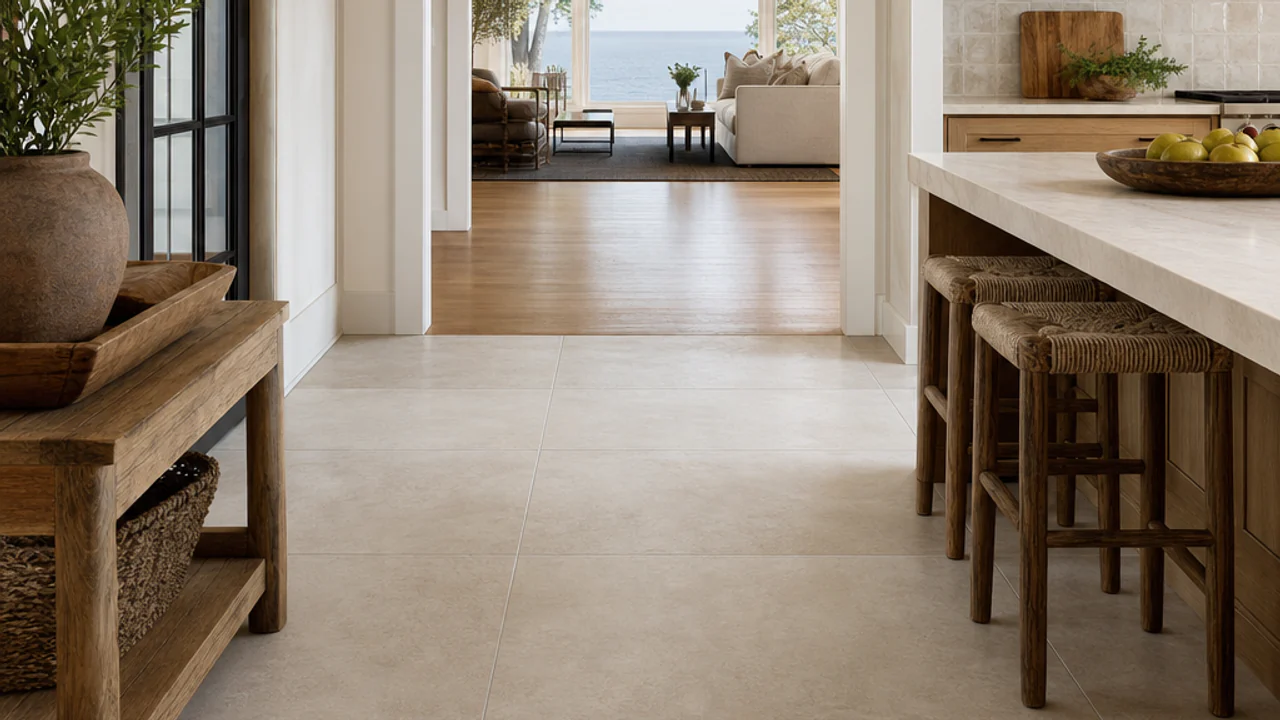
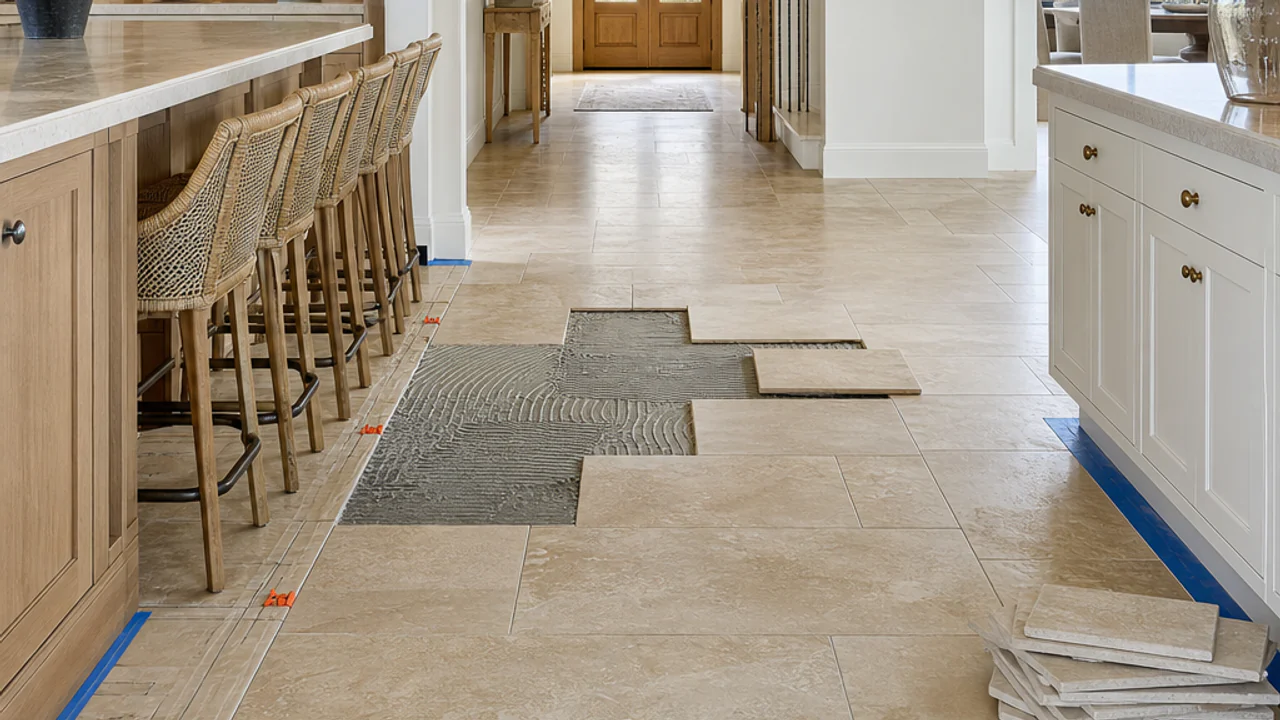
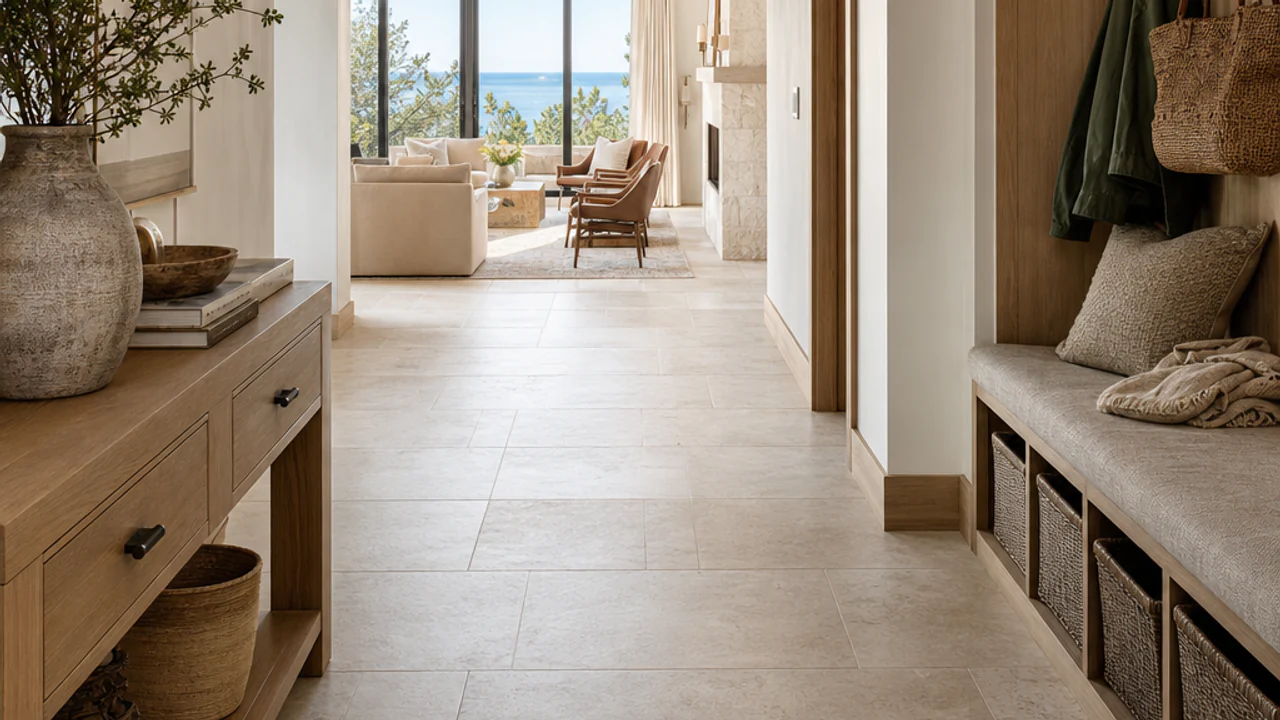
Kitchen floors, entryways, mudrooms, backsplashes, and fireplace hearth tile are the strongest winter tile projects because they are indoor, climate-controlled work in West Michigan homes.

Entryway and mudroom tile needs slip resistance, durability against salt and moisture, and a flat substrate that handles seasonal tracking without cracked grout or lippage.

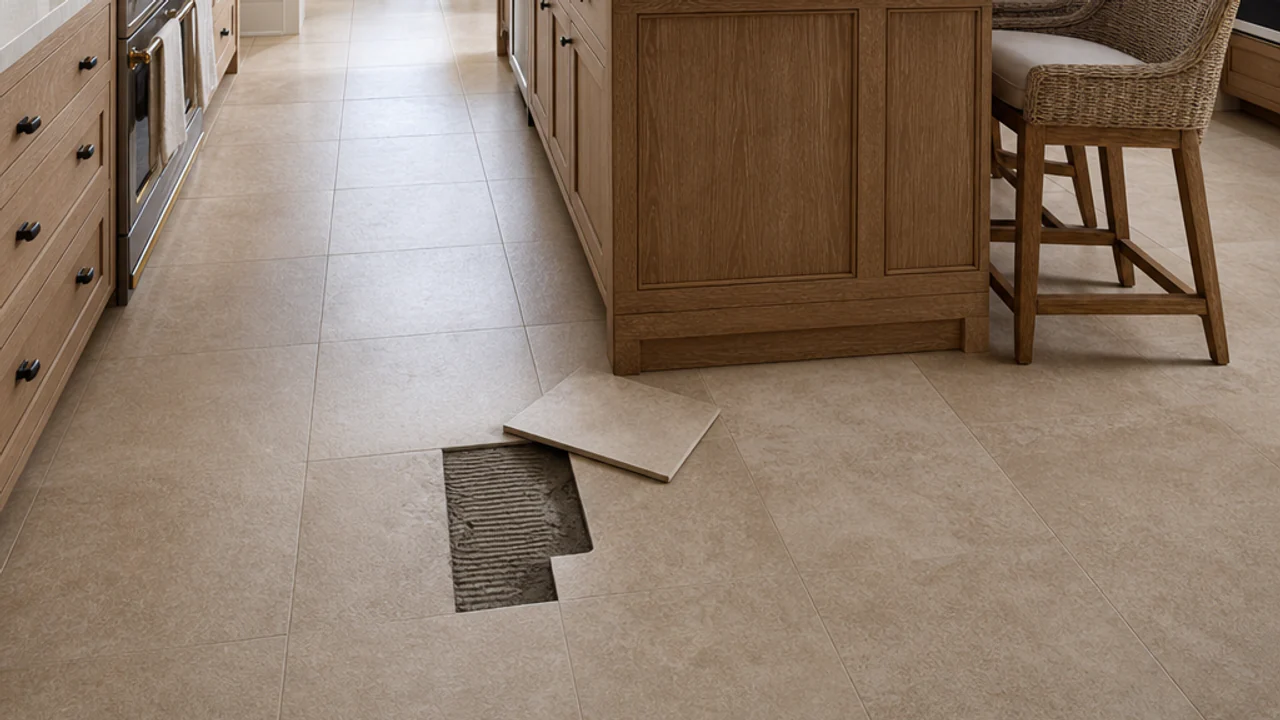
Kitchen tile floor installation starts with subfloor assessment — flatness, stiffness, and moisture — before tile is selected or set. Here is how the process works in Grand Rapids homes.

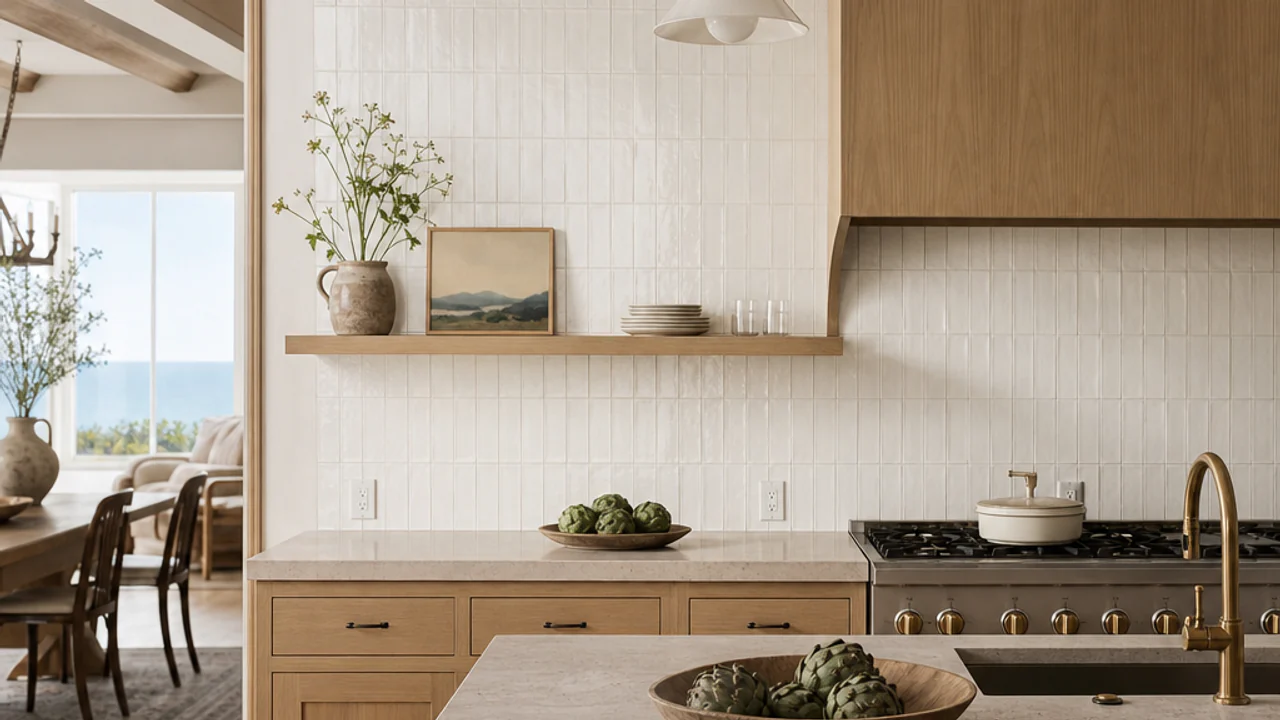
The best kitchen backsplash tile balances moisture resistance near the sink, ease of cleaning, and layout that handles outlets and window casings cleanly.

Kitchen backsplash installation is done by tile contractors and qualified masons — not big-box store installers alone. Here is who to hire in Grand Rapids and what professional installation includes.

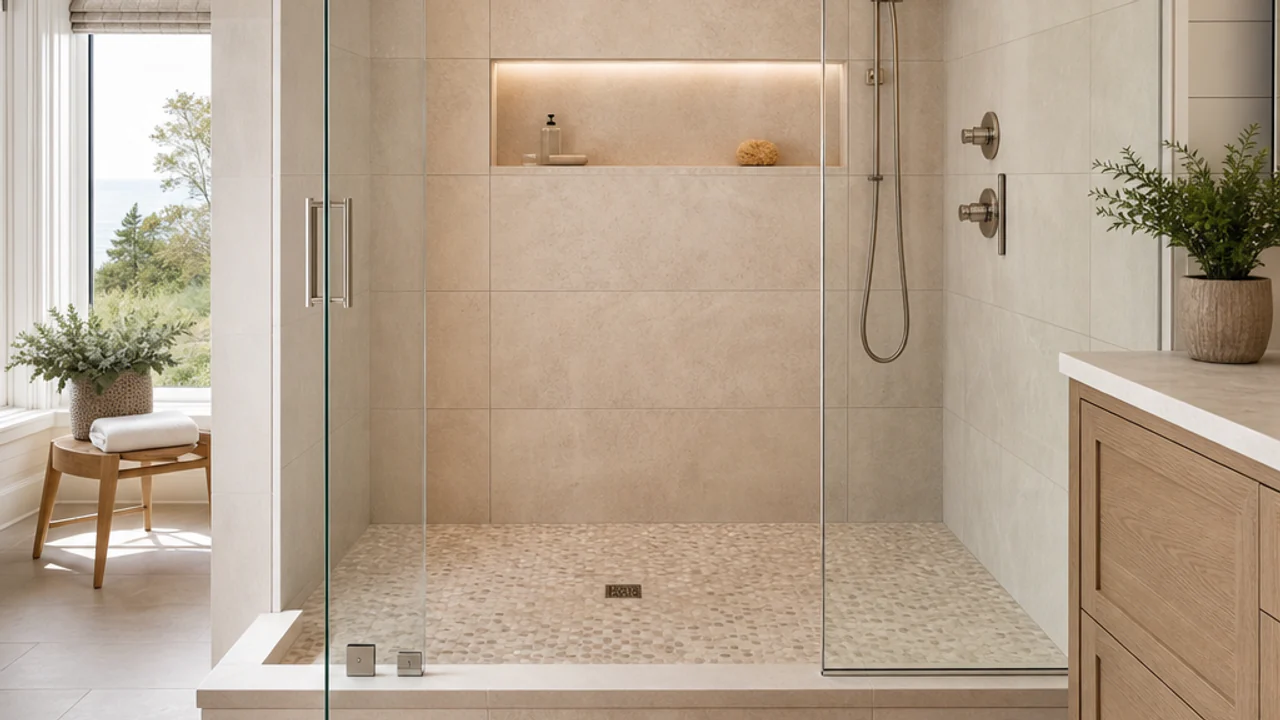
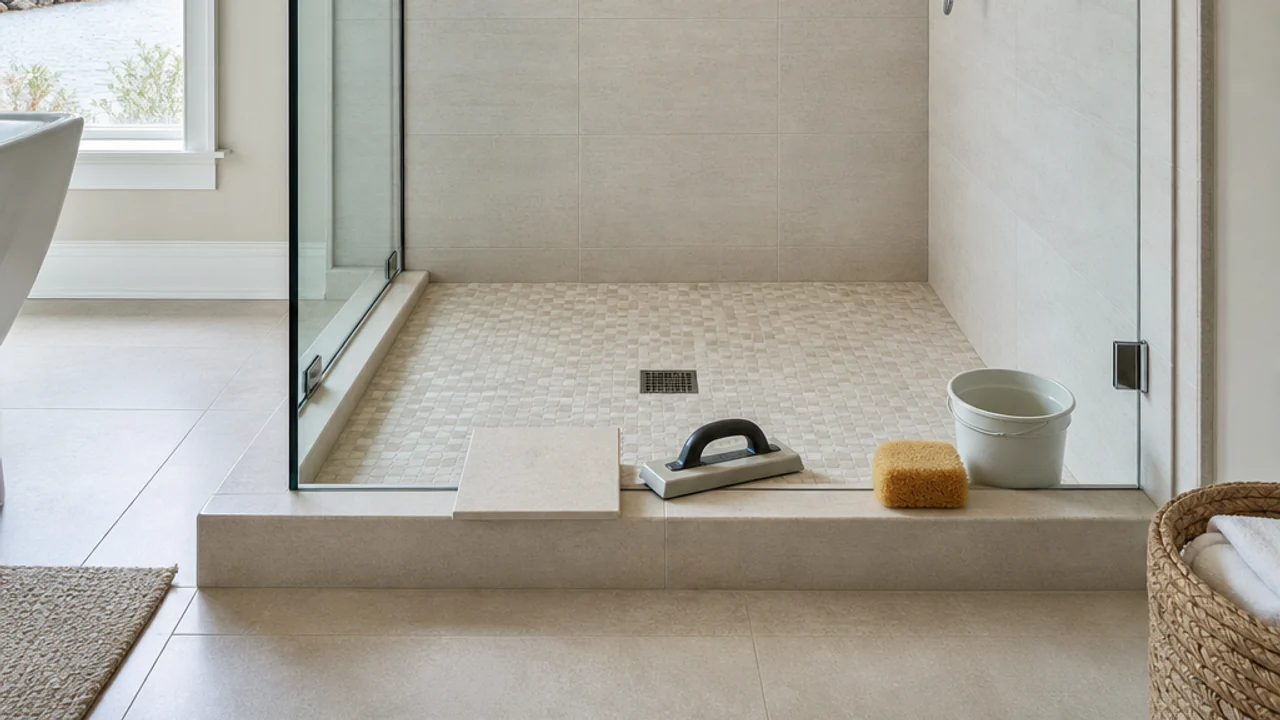
Shower tile installation is handled by tile contractors who build the waterproofing assembly behind the tile — not just set finish tile. Here is who to hire in Grand Rapids and what the scope includes.

Regrouting shower tile is worth it when the tile is sound and the waterproofing is intact. When grout keeps reopening or there is a stain below the shower, the problem is usually behind the tile — not in the grout.

Tile in East Grand Rapids is installed by tile contractors who handle shower waterproofing, kitchen backsplashes, mudroom floors, and fireplace hearths — not handymen or big-box add-on crews alone. Here is who to hire and what to expect.

Tile repair fixes a surface that stays in place. Tile replacement tears the old surface out, hauls debris away, corrects the substrate, and sets new tile. Here is how to tell which one your Grand Rapids project actually needs.

Often yes. Here is when tile can go over existing brick, when the brick should come off first, the tile styles homeowners choose, and why winter is the time most people decide to do it.

Cracked grout is usually a sign, not the problem. Here is what makes grout crack, when regrouting a tile floor is worth it, and when the real fix is underneath the tile.

Porcelain, ceramic, or natural stone? Here is how to choose floor tile for a bathroom or kitchen, which finishes are safer when wet, and why tile size changes what the floor underneath needs.

Removing floor tile is mostly prying, chiseling, and scraping, but it is slow, dusty, and heavy work. Here is how it is done, the safety checks to make first, and when it makes sense to hire it out.

National cost guides put a tiled walk-in shower at roughly $8,000 to $13,000 for a midrange build. Here is what goes into that price, what pushes it higher, and how tile compares with a prefab kit.

A leaking shower pan sometimes needs only a sealant repair, but a failed pan means the floor tile comes up and the pan is rebuilt. Here are the signs, the repair options, and what national cost guides say it costs.

Uneven edges, hollow-sounding tiles, and grout that cracks within months are the common signs of a bad tile job. Here is what to look for, what usually causes it, whether it can be fixed, and what to ask before hiring a tile installer.

National cost guides put a complete tile floor at roughly $15 to $75 per square foot, and our own approximate range is $20 to $60 installed. Here is what goes into the price, what pushes it higher, and how to compare estimates.

Freeze-thaw cycles drive much of the masonry damage Michigan homeowners see — spalling brick, open mortar joints, and cracked stone. Here is how the cycle works and what slows it down.

Exterior repointing needs workable weather, but fall inspection and winter planning matter too. Here is when to schedule brick mortar repair in West Michigan.

Open mortar joints and spalling brick at the chimney crown worsen fast through Michigan winters. Here is what to inspect in fall and when repointing or brick repair is needed.

Foundation cracks in older Grand Rapids homes range from harmless shrinkage lines to signs of movement that need masonry assessment. Here is how to tell what you are seeing.

Open mortar joints in block foundations let water in and accelerate freeze-thaw damage. Here is how to tell when repointing is needed — and when a crack needs more than joint work.

Foundation repair fixes specific cracks and failures; restoration addresses widespread mortar loss and aging masonry foundations systematically. Here is how to tell which your home needs.

Most old stone foundations are repaired, not replaced. Here is how repointing with lime mortar works, why hard cement makes things worse, when a wall needs more than new mortar, and what the work costs.

Spalling is when the outer face of brick crumbles or flakes off — common in Michigan where freeze-thaw cycles drive moisture into masonry. Here is what causes it and what to do next.

Tuckpointing restores deteriorated mortar joints in brick walls — protecting against water entry and freeze-thaw damage in Michigan homes. Here is when repointing is needed.

Stone veneer adds natural or manufactured stone faces to walls without full-depth structural stone. Here is how veneer compares to full-stone construction for Michigan homes.

Historic brick restoration repairs and preserves older masonry using compatible materials and techniques — matching original character while restoring weathertightness in West Michigan homes.

Exterior repointing needs workable weather, but fall inspection and winter planning matter too. Here is when to schedule brick mortar repair in West Michigan.

Eroded faces, open joints, and staining do not always mean stone must be replaced. Here is when professional stone restoration makes sense on West Michigan homes.

Efflorescence — white mineral staining on brick — is common on newer veneer homes in West Michigan. Here is what causes it, when it is harmless, and when it signals a water problem.

Looking for stone restoration near Grand Rapids? Here is what professional stone repair includes, when restoration makes sense, and how to find qualified stonework contractors.

Brick sealer can help or hurt a Michigan wall, depending on the product and when it goes on. Here is when sealing makes sense, which type to use, and what to fix first.

Painting brick changes how the wall handles water, and in a Michigan winter that matters. Here is what to know before you paint, the breathable options, and what to do instead.
Our team is happy to answer questions about your masonry project. Contact us for a free consultation.
Contact Us