
Can Deteriorated Stone on a Michigan Building Be Restored?
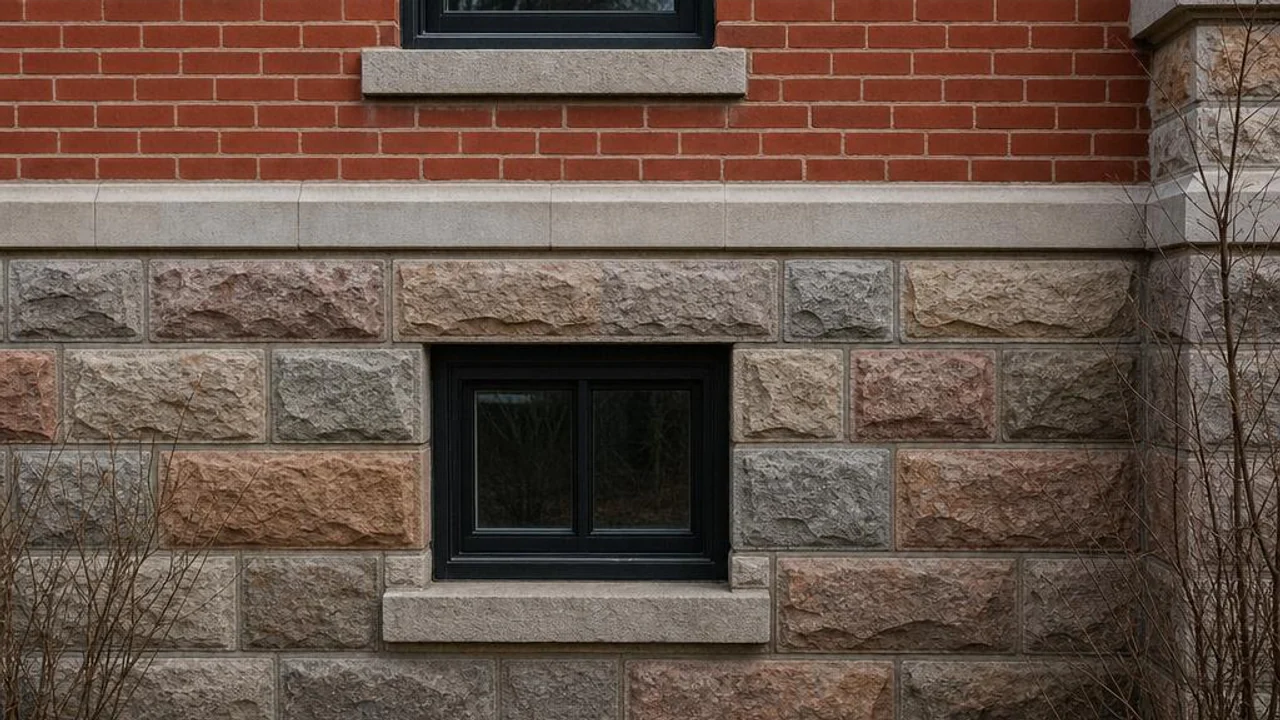
Deteriorated stone on a Michigan building can often be restored when the units remain structurally sound — eroded surfaces, failed joints, staining, and biological growth respond to cleaning, repointing, and selective repair rather than wholesale replacement. The right approach depends on stone type, age, and how far moisture has moved through the assembly.
When can stone be restored instead of replaced?
Restoration makes sense when individual stones are still load-bearing and intact, but mortar joints are open, surfaces are weathered or stained, or minor units need selective replacement. Widespread structural movement, severely cracked through-stones, or walls actively shifting need assessment beyond cosmetic restoration — but many Grand Rapids foundations and landscape walls fail from joint and surface conditions that repointing and cleaning address directly.
Limestone, sandstone, and granite each behave differently. Softer limestone and sandstone need gentler cleaning and compatible lime mortars; harder granite tolerates different joint work but still fails when water sits in open joints through Michigan freeze-thaw cycles.
What causes stone to deteriorate in Michigan?
Freeze-thaw in porous stone faces, failed mortar joints that admit water, biological growth on shaded walls, and iron staining in some stone types are common drivers. Splash at grade, poor drainage, and hard modern mortar patched into historic joints can accelerate damage — trapping moisture against softer stone rather than letting it escape through the joint.
Lakeshore and river-adjacent properties see longer wet periods and more freeze cycles at the base of walls. Inland homes still see joint erosion and efflorescence when mortar from decades ago reaches the end of its service life.
How is stone restoration different from power washing?
Restoration includes assessment, appropriate cleaning for the stone type, joint repair with compatible mortar, and selective unit replacement where needed — not aggressive pressure that etches soft stone or forces water deeper into the wall. Biological staining, iron oxidation, and pollution soiling each call for different treatment. The goal is a weathertight, stable wall that keeps its character.
Sealing may help some stone types when joints are sound, but sealing over open joints or failing mortar hides problems temporarily. Repointing and drainage management come first.
Should historic stone foundations be repointed with modern mortar?
Older stone and brick foundations were built with lime-based mortar meant to be softer than the masonry units. Hard Portland cement repointing on those walls can force moisture into the stone face and cause spalling. Compatible lime or lime-blended mortars match how historic assemblies were designed to move and dry.
See stone restoration, foundation restoration, or contact us for an assessment.
Frequently Asked Questions
Can a stained stone foundation be cleaned?
Many stains can be reduced or removed with methods matched to the stone type and staining source — biological growth, iron, efflorescence, and pollution each respond differently. Assessment before cleaning prevents damage to soft historic stone.
How do I know if my stone wall needs restoration?
Open mortar joints, loose stones, surface flaking, heavy staining, and interior moisture near a stone foundation wall are common signs. A mason evaluates whether the wall is stable and whether joint failure, unit loss, or drainage is driving the problem.
Does stone restoration work on retaining walls and steps?
Yes. Landscape stone, porch steps, and retaining walls fail from the same joint and moisture patterns as foundation stone — especially where grade keeps the base wet. Restoration scope depends on stability and how much of the wall still has sound units.
How long does stone restoration last?
Quality repointing with compatible mortar and corrected water paths often lasts decades. Walls that stay chronically wet at grade will need attention sooner regardless of craftsmanship — drainage and joint maintenance matter as much as the initial restoration.
Need Professional Help?
If you've identified masonry issues or need a professional inspection, Grand Rapids Masonry & Restoration is here to help. We serve the Grand Rapids metro area and surrounding communities.
Related Articles
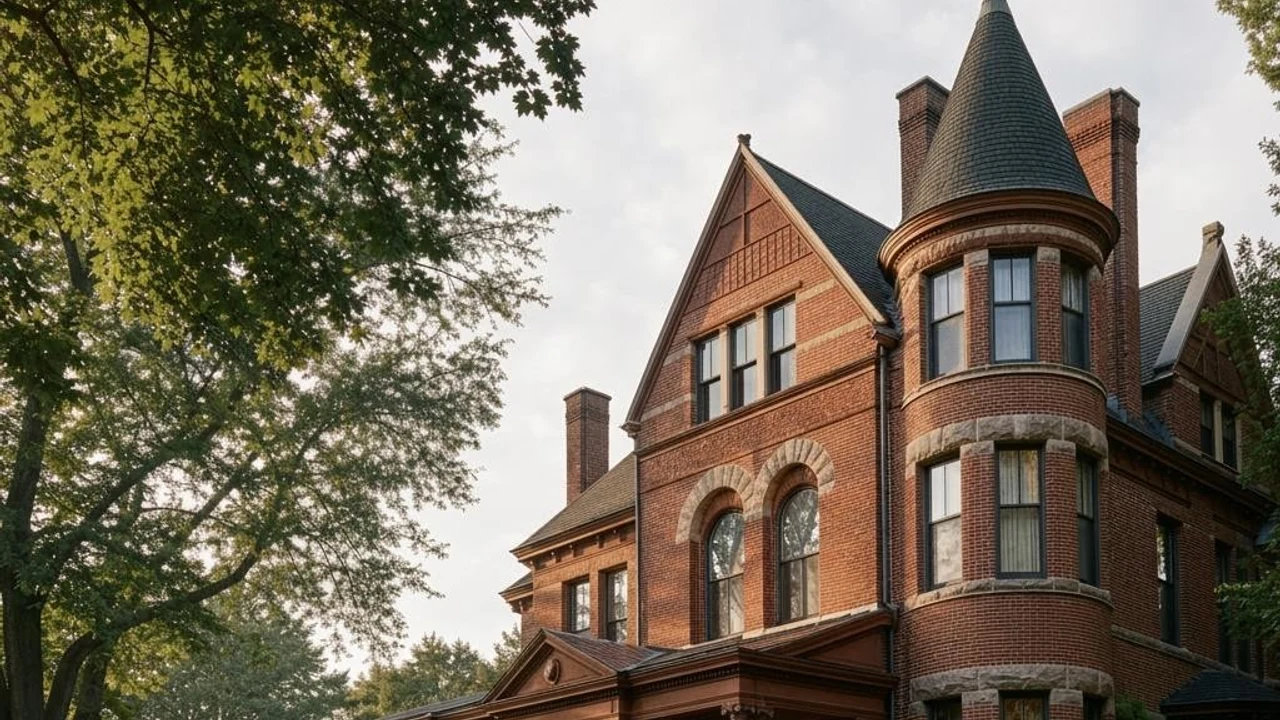
What Is Historic Brick Restoration in Grand Rapids?
Historic brick restoration repairs and preserves older masonry using compatible materials and techniques — matching original character while restoring weathertightness in West Michigan homes.
Stone Restoration Services in West Michigan: What to Expect
Looking for stone restoration near Grand Rapids? Here is what professional stone repair includes, when restoration makes sense, and how to find qualified stonework contractors.
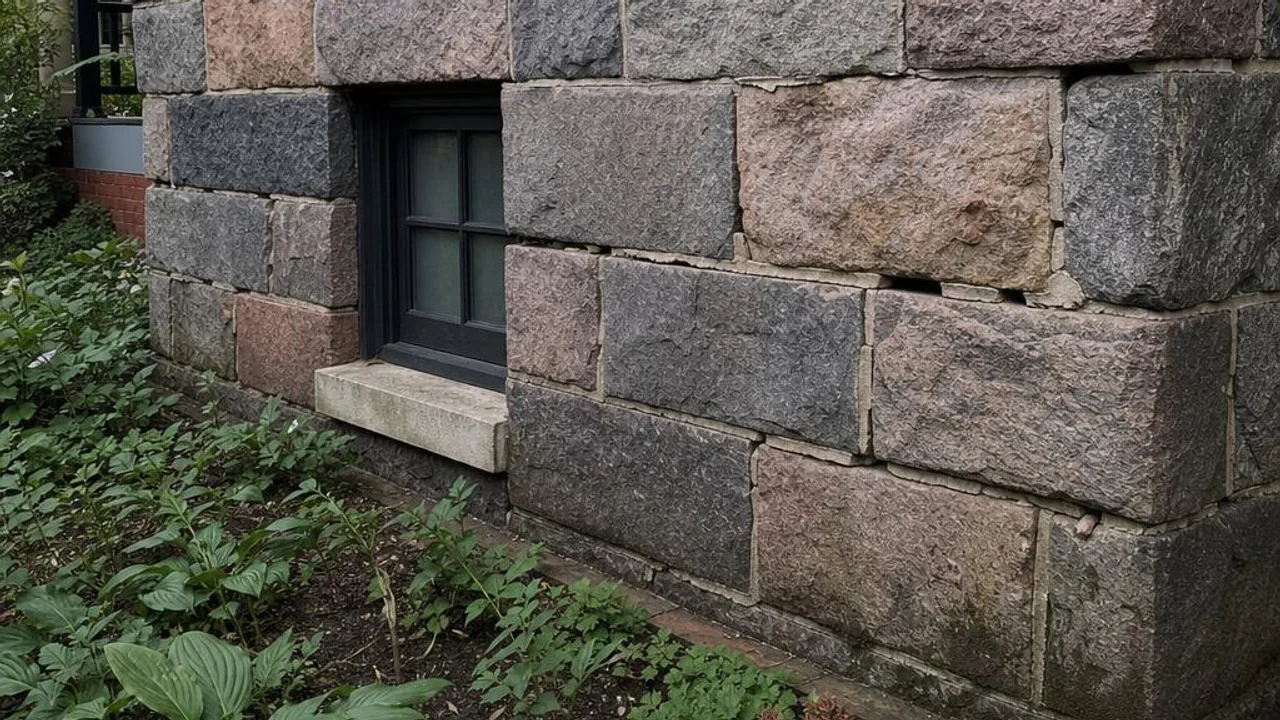
What Is the Difference Between Foundation Repair and Restoration?
Foundation repair fixes specific cracks and failures; restoration addresses widespread mortar loss and aging masonry foundations systematically. Here is how to tell which your home needs.
Masonry Services Across West Michigan
Grand Rapids Masonry & Restoration serves homeowners throughout the Grand Rapids metro and West Michigan lakeshore.
View all service areas →