
What Is the Difference Between Foundation Repair and Restoration?
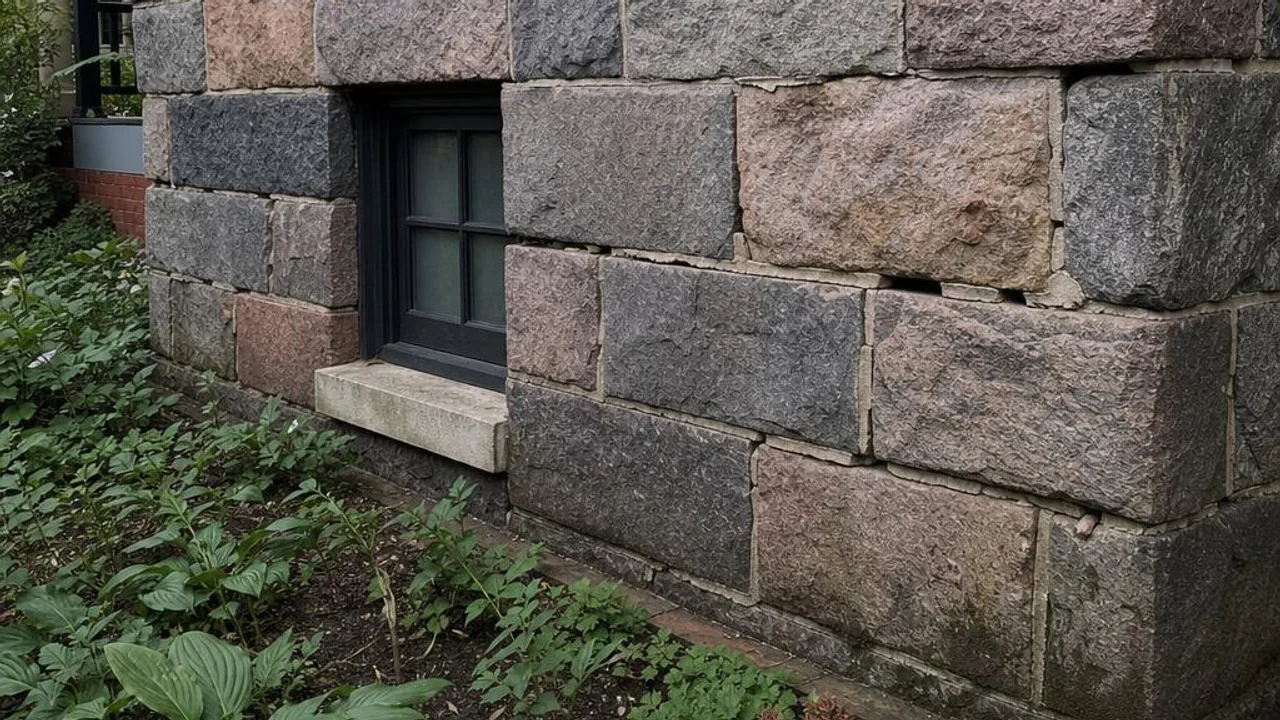
Foundation repair targets specific problems — a crack, a bowing section, open joints at grade, or water entry at one wall. Foundation restoration is broader: systematic work on an aging masonry foundation where mortar loss, unit deterioration, or moisture damage has spread across much of the wall and repeated spot repairs no longer hold up.
When is foundation repair enough?
Repair is often the right call for localized stair-step cracking with a stable wall, isolated open joints, a few damaged block units, or water entry traced to a specific wall section and drainage issue. Assessment confirms whether movement is active and whether repointing or unit replacement at that zone restores weathertightness without rebuilding the whole foundation.
Our foundation cracks guide covers how to read common crack patterns on older Grand Rapids homes. Stable, non-widening cracks with sound surrounding masonry often stay in repair scope.
When does a foundation need full restoration?
Restoration fits when mortar is gone or powdery across large sections, multiple walls show joint failure, stone or brick units are spalling at the face, or prior patch jobs with hard modern mortar are accelerating decay. Pre-war Grand Rapids homes with rock-faced stone or early block foundations often reach this point after 70–100 years without systematic repointing.
Restoration proceeds in sequence: structural assessment, stabilization where needed, compatible repointing and unit replacement, then long-term moisture management at grade. The goal is a foundation that performs for decades — not a surface skim over active deterioration.
Can an old stone or brick foundation be saved?
Often yes. Masonry foundations were built to be maintainable — joints were meant to be repointed, and individual units can be replaced when mortar and drainage are managed correctly. Full replacement is reserved for walls that have lost structural integrity or continue moving after stabilization is addressed.
Preservation-first work uses lime-based or compatible mortars on historic stone and brick so the wall can breathe. Hard cement patches on soft historic masonry frequently fail within a few seasons and can damage the units they were meant to protect.
How is foundation restoration different from waterproofing alone?
Interior sealants or exterior coatings without fixing open joints and failed mortar may redirect water temporarily while deterioration continues behind the surface. Restoration addresses the masonry assembly — joints, units, and stability — before relying on drainage improvements or breathable protective treatments.
See foundation restoration, foundation repair, or contact us for a free assessment.
Frequently Asked Questions
Is foundation restoration more expensive than repair?
Restoration covers more wall area and often includes systematic repointing, selective unit replacement, and stabilization — so it costs more than a localized repair. It can still cost less than repeated partial fixes on a foundation that keeps failing in new places each season.
Do historic homes in Grand Rapids need special foundation mortar?
Yes. Older stone and brick foundations expect lime-based mortar that flexes and breathes with the wall. Hard modern mortar traps moisture in softer units and accelerates spalling. Restoration work should match the original assembly, not default to the strongest modern mix.
Can foundation restoration fix basement moisture?
Open joints and deteriorated mortar are common water paths into basements on masonry foundations. Sound repointing and unit repair stop much of that entry. If moisture persists, grading, downspouts, and other paths may also need review — joint work addresses masonry failure, not every source of water.
How long does foundation restoration take?
Timelines depend on wall length, access, extent of unit loss, and weather windows for exterior mortar cure. Small foundations may finish in days; larger or multi-wall restorations span longer schedules outlined in the estimate after assessment.
Need Professional Help?
If you've identified masonry issues or need a professional inspection, Grand Rapids Masonry & Restoration is here to help. We serve the Grand Rapids metro area and surrounding communities.
Related Articles
What Do Foundation Cracks Mean in Older Grand Rapids Homes?
Foundation cracks in older Grand Rapids homes range from harmless shrinkage lines to signs of movement that need masonry assessment. Here is how to tell what you are seeing.
When Do Block Foundation Mortar Joints Need Repointing?
Open mortar joints in block foundations let water in and accelerate freeze-thaw damage. Here is how to tell when repointing is needed — and when a crack needs more than joint work.
Who Installs Tile in East Grand Rapids?
Tile in East Grand Rapids is installed by tile contractors who handle shower waterproofing, kitchen backsplashes, mudroom floors, and fireplace hearths — not handymen or big-box add-on crews alone. Here is who to hire and what to expect.
Masonry Services Across West Michigan
Grand Rapids Masonry & Restoration serves homeowners throughout the Grand Rapids metro and West Michigan lakeshore.
View all service areas →