

What Makes a Stone Patio Last Through Michigan Winters?
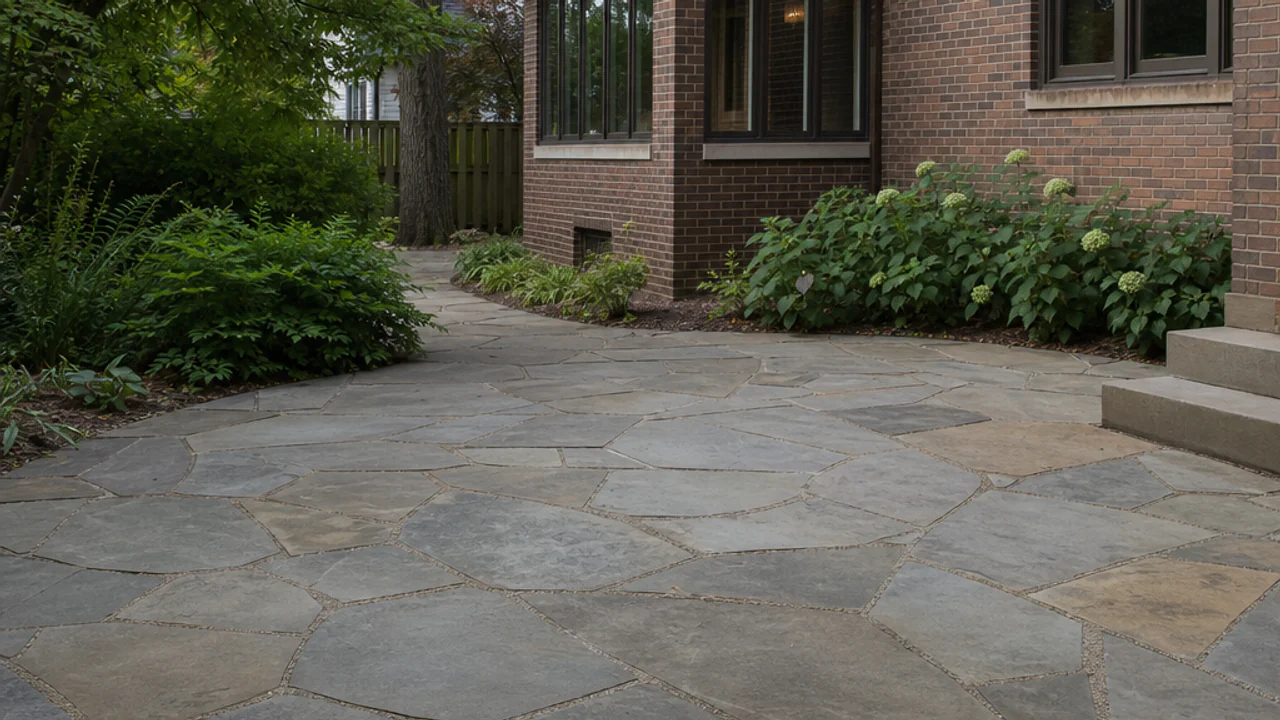
A stone patio in Michigan fails or lasts based on what happens before the first unit is set — excavation depth, compacted aggregate base, and drainage that keeps water from freezing under the surface. The stone itself is rarely the weak point; frost heave in an under-built base is.
Why do stone patios heave in Michigan?
Frost heave happens when moisture in soil or base material freezes and expands, pushing the patio upward. West Michigan clay holds water longer than sandy sites, so patios on thin or poorly compacted bases often show lifting, uneven joints, and cracked units within a few winters.
Splash from roofs, downspouts that discharge onto the walk, and grade that slopes toward the house keep the base wet going into freeze season. Fixing the surface without addressing base moisture usually means the same heaving returns the next spring.
How deep should a patio base be in Michigan?
Base depth depends on soil type, intended use, and whether the site stays wet. Residential walkways and patios on clay-heavy sites typically need more excavation and thicker compacted aggregate than a dry sandy lot. Skipping depth to save time is one of the most common reasons patios fail early in cold climates.
Base material should be placed in lifts and compacted at each stage — not dumped in one deep layer. Consistent density lets water drain through the system instead of saturating a loose zone that moves when it freezes.
Bluestone, flagstone, or pavers — what holds up best?
Natural cut stone — bluestone, limestone, and flagstone — performs well when the base and joints are right. Irregular flagstone suits informal layouts; cut stone allows tighter joints and formal lines. Dry-laid patios can be adjusted if minor settlement occurs; mortared stone needs the same sound base but offers a different maintenance profile.
Porosity and finish affect how much water the stone absorbs at the surface. We discuss material choice during planning so the look you want matches how the site drains and how you will use the space.
When is the best time to build a stone patio in West Michigan?
Spring through fall is the main season for excavation and base work when soils are workable and mortar or joint materials can cure properly. Winter is a good time to plan layout, choose stone, and schedule spring start — especially if you are replacing heaved concrete or an old walk that became a trip hazard.
Brick walks and mortared stone steps often pair with patio projects so entries and landings match the new outdoor surface. Scheduling the full hardscape scope together keeps grades and transitions consistent.
See stone patio installation project examples and contact us for a free site assessment.
Frequently Asked Questions
How long should a stone patio last in Michigan?
A patio built with appropriate base depth, compaction, and drainage commonly lasts decades. Failures within the first few years usually trace to base preparation or site water — not the stone type alone.
Can you install a stone patio over old concrete?
Sometimes, if the slab is stable, drains well, and does not trap water at the edges. Often removal and a proper base are the better long-term approach when existing concrete is cracked, heaving, or holding water against the house.
Do stone patios need sealing in Michigan?
Some stone types benefit from a penetrating sealer to limit staining and surface moisture absorption. Sealing does not replace a sound base or joint maintenance. We recommend options based on the specific stone and how the patio will be used.
What maintenance does a bluestone patio need?
Periodic joint sand or mortar inspection, especially after the first few winters, confirms the surface is staying level. Individual stones can often be lifted and reset if minor movement occurs — one advantage of dry-laid construction over monolithic concrete.
Need Professional Help?
If you've identified masonry issues or need a professional inspection, Grand Rapids Masonry & Restoration is here to help. We serve the Grand Rapids metro area and surrounding communities.
Related Articles
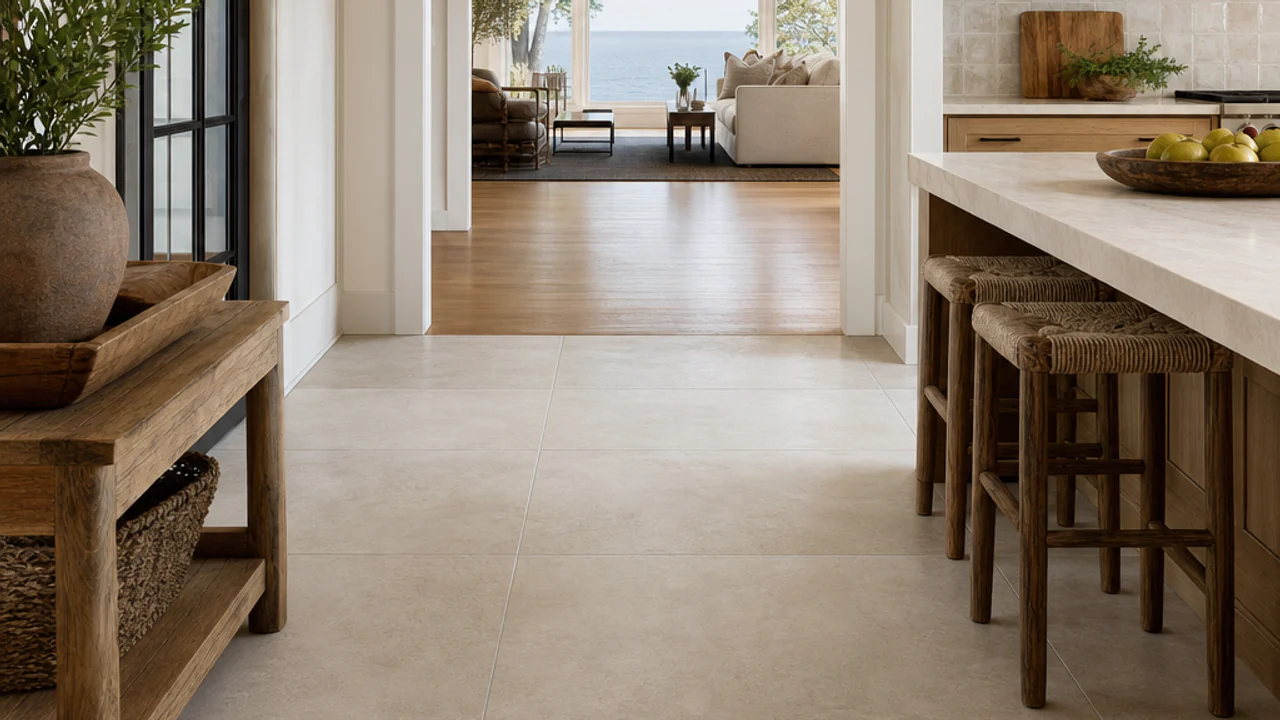
Who Installs Tile in East Grand Rapids?
Tile in East Grand Rapids is installed by tile contractors who handle shower waterproofing, kitchen backsplashes, mudroom floors, and fireplace hearths — not handymen or big-box add-on crews alone. Here is who to hire and what to expect.
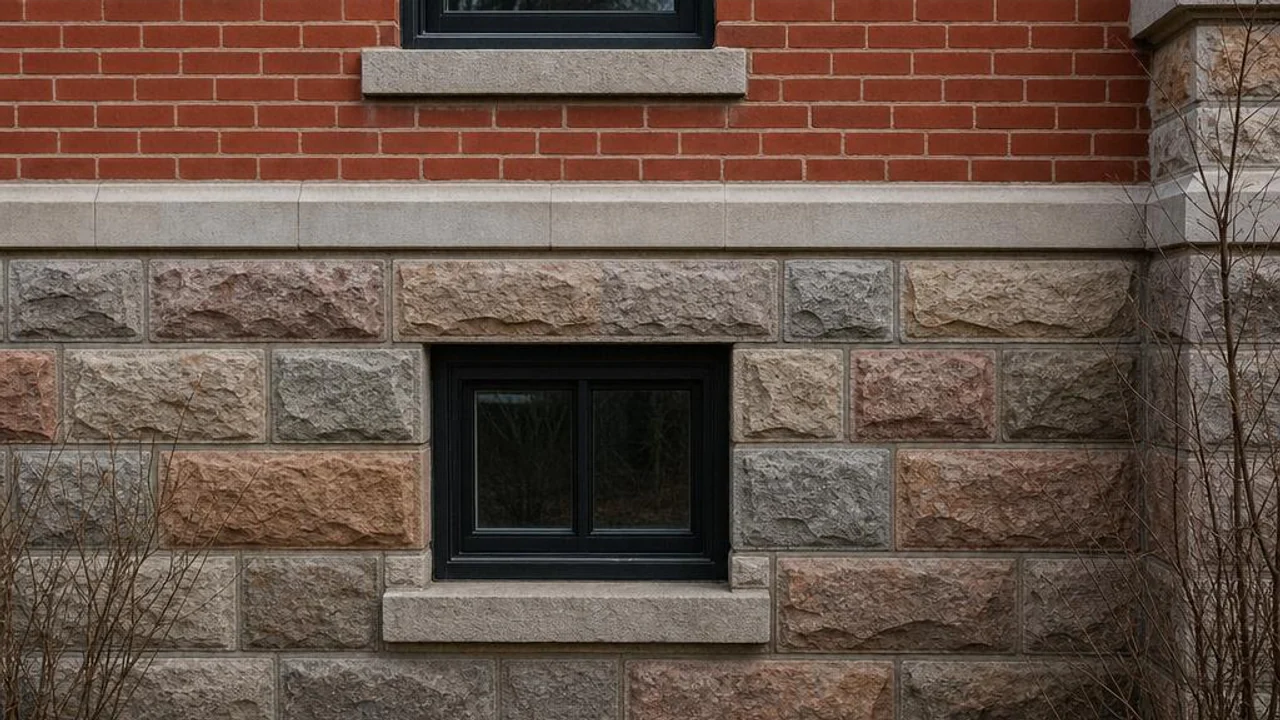
Stone Restoration Services in West Michigan: What to Expect
Looking for stone restoration near Grand Rapids? Here is what professional stone repair includes, when restoration makes sense, and how to find qualified stonework contractors.
Can Deteriorated Stone on a Michigan Building Be Restored?
Eroded faces, open joints, and staining do not always mean stone must be replaced. Here is when professional stone restoration makes sense on West Michigan homes.
Masonry Services Across West Michigan
Grand Rapids Masonry & Restoration serves homeowners throughout the Grand Rapids metro and West Michigan lakeshore.
View all service areas →