
What Is the Difference Between Stone Veneer and Full-Stone Construction?
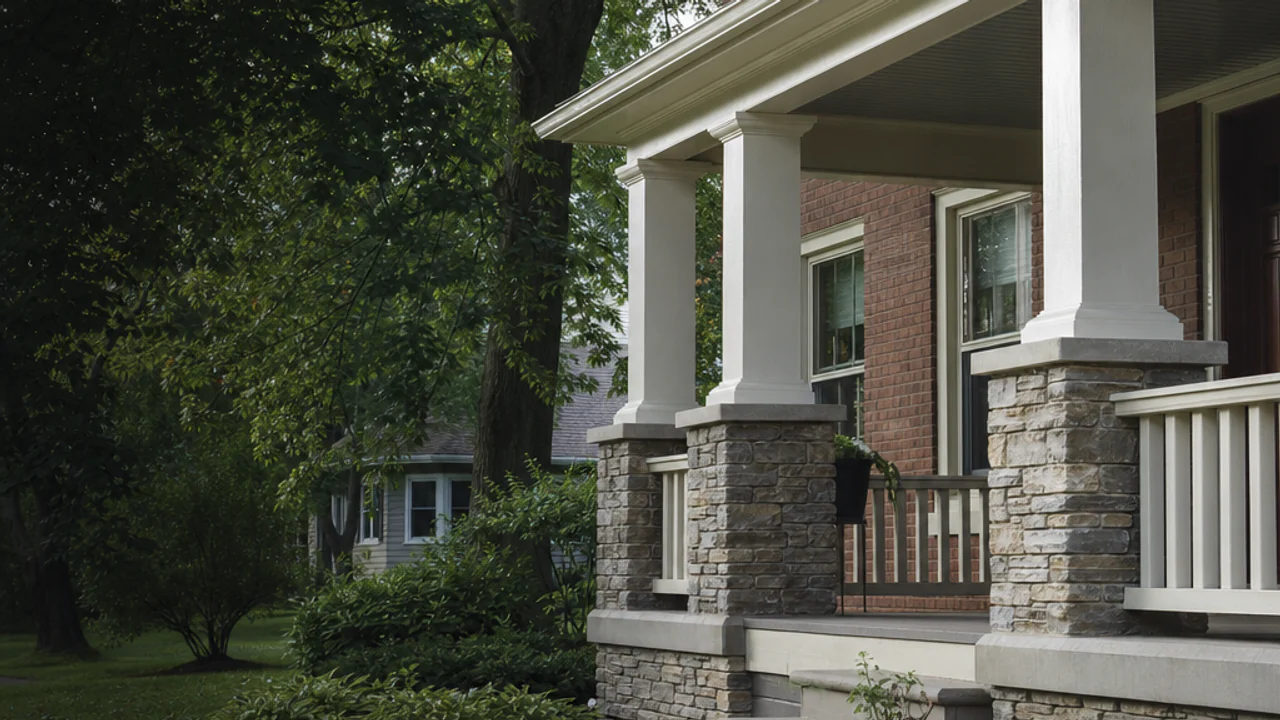
Stone veneer is a facing layer — natural thin-cut stone or manufactured units — attached to a structural wall. Full-stone construction uses thick, load-bearing stone throughout the wall. Most Michigan residential updates use veneer for weight, cost, and compatibility with existing framing.
What is stone veneer on a house?
Stone veneer is a decorative and protective facing applied over masonry, concrete, or framed walls with proper lath, mortar, or mechanical attachment. It gives the appearance of solid stone without the depth and weight of full structural stonework.
Manufactured veneer uses concrete-based units cast in molds; natural thin-cut veneer uses real stone sliced to roughly an inch or less. Both require flashing, weep details where applicable, and compatible base preparation so moisture does not trap behind the face.
Is stone veneer real stone?
It can be. Natural thin-cut veneer is real stone — just thinner. Manufactured veneer is concrete made to mimic stone shapes and textures. Both are legitimate products when installed with correct attachment and water management for the application.
The choice is often aesthetic and structural: natural thin-cut reads authentically up close; manufactured offers consistent sizing and lower weight. Neither replaces proper flashing at openings and transitions.
Can stone veneer be installed over brick?
Often yes, when the existing brick is sound, clean, and structurally adequate to support the added weight. Attachment method and moisture details depend on the wall condition and product. We assess bond, movement history, and height before recommending overlay versus removal.
On older Grand Rapids brick, veneer updates at foundations, porch piers, and chimneys are common — but failed underlying brick or open joints should be repaired first so the veneer does not hide active problems.
Does stone veneer add value to a home?
Quality veneer installation can improve curb appeal and entry presence — common goals for front elevations, fireplaces, and outdoor living areas. Value depends on execution, material choice, and how well the installation fits the home's architecture.
Poor flashing, stained manufactured units, or veneer applied over deteriorated substrate create maintenance headaches that undermine the visual gain. Preparation and water details matter as much as stone selection.
Explore stone veneer installation or request an estimate for your project.
Frequently Asked Questions
How long does stone veneer last?
Well-installed natural and manufactured veneer can last decades when attachment, flashing, and joint maintenance are correct. Failures usually trace to moisture trapped behind the face or movement in the substrate, not the stone material alone.
Is stone veneer cheaper than full stone?
Generally yes for residential facades — veneer uses less material and lighter support. Full structural stone requires thicker walls and footings. Exact cost depends on height, access, product, and prep work on the existing wall.
Can stone veneer be used indoors?
Yes. Interior accent walls, fireplace surrounds, and feature walls commonly use thin stone or manufactured veneer. Indoor applications avoid exterior freeze-thaw but still need sound attachment and appropriate clearances at heat sources.
Does stone veneer need sealing?
Some natural stone benefits from breathable sealer in exposed exterior locations; manufactured units vary by product. Sealer choice should not trap moisture — we follow manufacturer guidance for the specific material selected.
Need Professional Help?
If you've identified masonry issues or need a professional inspection, Grand Rapids Masonry & Restoration is here to help. We serve the Grand Rapids metro area and surrounding communities.
Related Articles
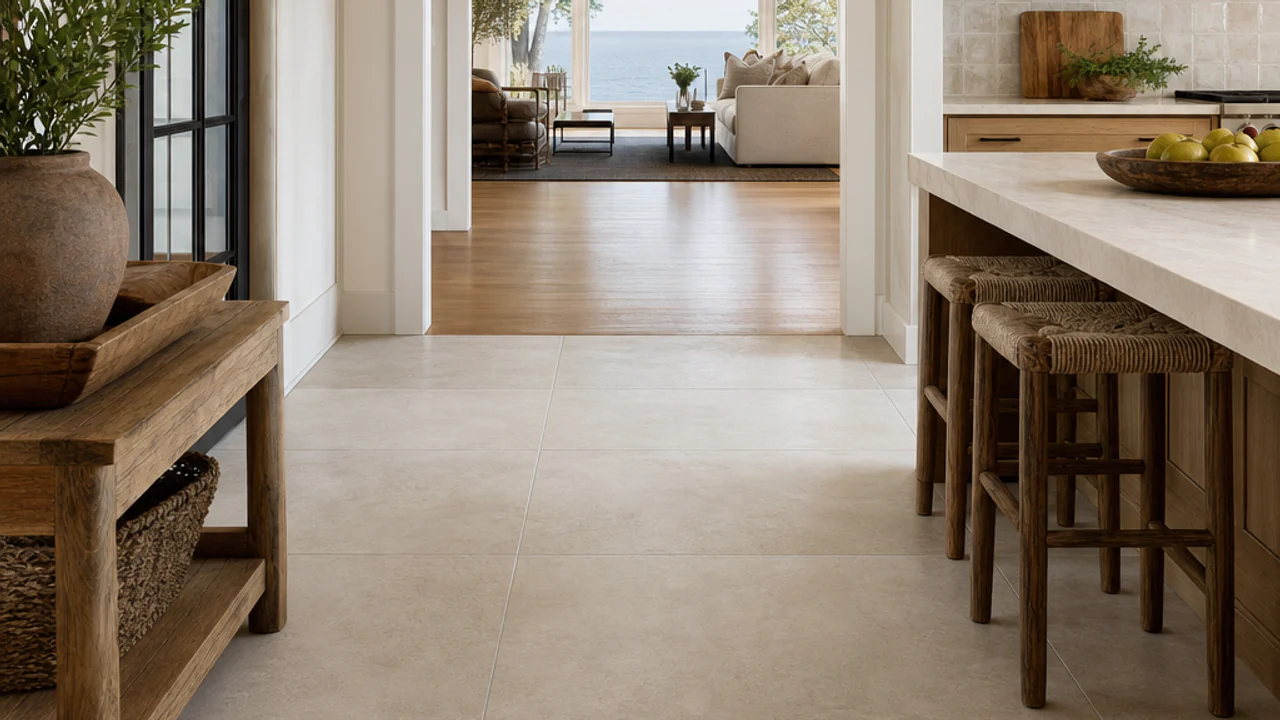
Who Installs Tile in East Grand Rapids?
Tile in East Grand Rapids is installed by tile contractors who handle shower waterproofing, kitchen backsplashes, mudroom floors, and fireplace hearths — not handymen or big-box add-on crews alone. Here is who to hire and what to expect.
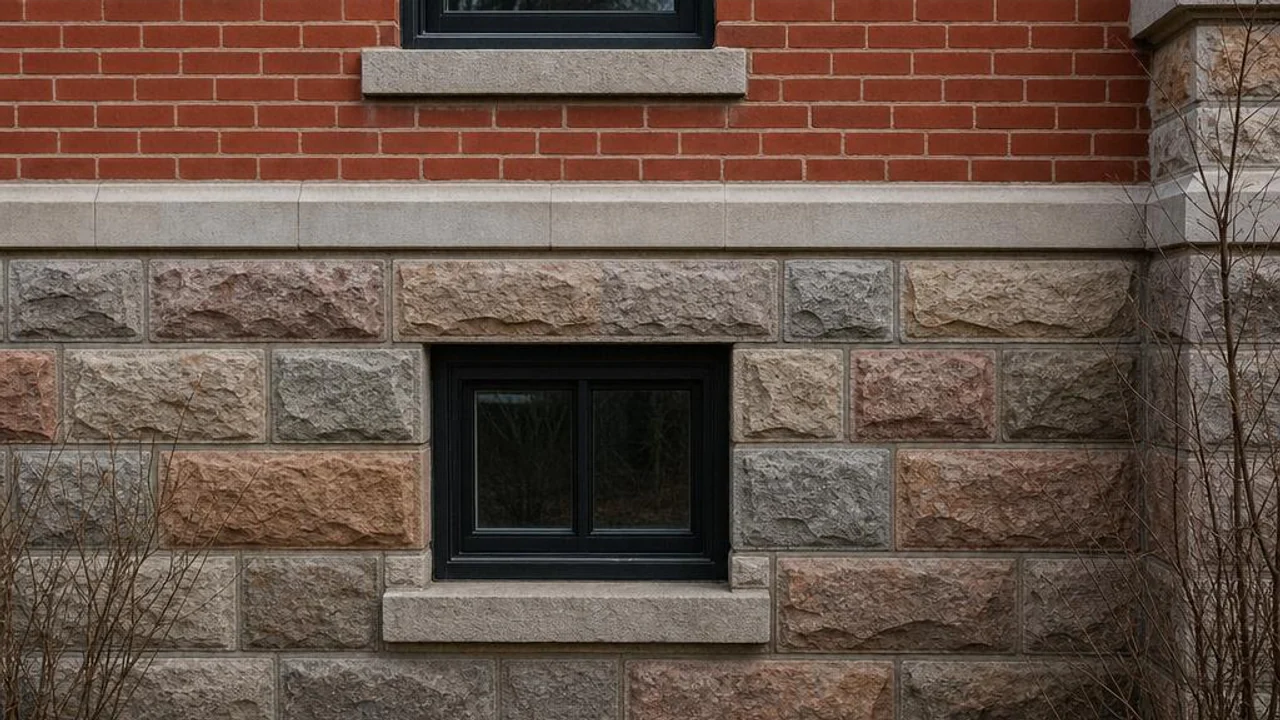
Stone Restoration Services in West Michigan: What to Expect
Looking for stone restoration near Grand Rapids? Here is what professional stone repair includes, when restoration makes sense, and how to find qualified stonework contractors.
Can Deteriorated Stone on a Michigan Building Be Restored?
Eroded faces, open joints, and staining do not always mean stone must be replaced. Here is when professional stone restoration makes sense on West Michigan homes.
Masonry Services Across West Michigan
Grand Rapids Masonry & Restoration serves homeowners throughout the Grand Rapids metro and West Michigan lakeshore.
View all service areas →