

Why Is the Grout Cracking in My Tile Floor?
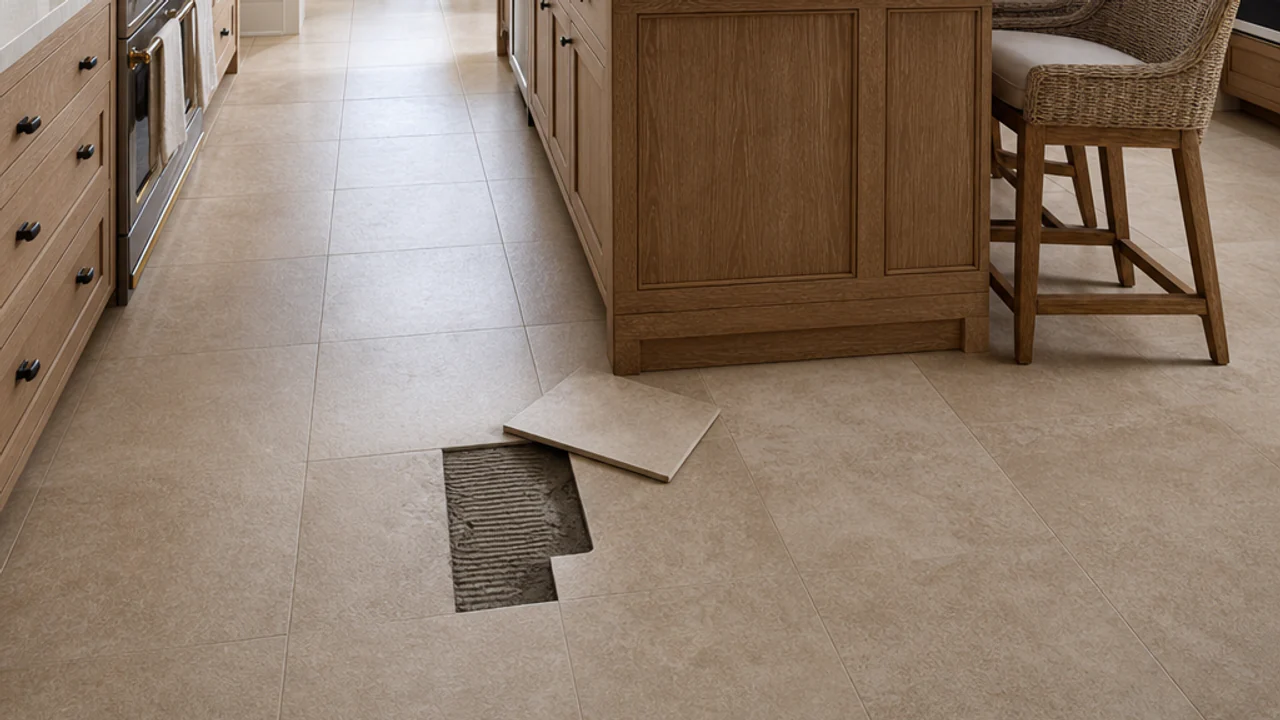
Grout cracks when something under or around it moves. Grout fills the joints between tiles, but it does not hold the tiles down, and it is the most rigid, brittle part of the floor. If the subfloor flexes, a tile has come loose, or the floor has no room to expand at its edges, the movement shows up first as cracked grout. Replacing the grout fixes the look. Finding and fixing the movement is what stops it cracking again.
What causes grout to crack in a tile floor?
The common causes are a subfloor that bends too much under foot traffic, a floor that was never flat, tile that was set without full mortar coverage underneath, and missing movement joints. Floors need room to expand and shrink with temperature and humidity, especially along walls, at doorways, and where the floor meets a tub or cabinet. When rigid grout is used in those spots instead of a flexible sealant, it cracks along the edges again and again.
Sometimes the cause is simple: grout that is many years old and has worn out, or grout that was mixed or cured poorly. In that case the tile is fine and only the grout needs replacing.
How can you tell if the problem is the grout or the tile?
Tap the tiles near the cracked joints with something hard, such as the handle of a screwdriver. A solid tile sounds sharp and solid. A tile that has come loose from the floor underneath sounds hollow. Cracked grout around hollow-sounding tiles, tiles that rock or click when you step on them, or cracks that run through the tile itself all point to a problem under the tile, not in the grout.
Grout that is cracked in a few scattered spots on an otherwise solid floor is usually a grout problem. Grout cracking across a whole area, or in the same line every time it is repaired, is usually a movement problem.
Is regrouting a tile floor worth it?
Yes, when the tiles are solid, well bonded, and a style you want to keep. Regrouting a floor in that condition is a real refresh for far less than new tile, and it is a good time to change the grout color. It is not worth it when tiles are loose, the floor moves underfoot, or the same joints keep cracking, because the new grout will crack just like the old. In that case the floor needs the cause fixed, and sometimes a full replacement.
How much does regrouting a tile floor cost?
National cost guides put regrouting a tile floor at about $5 to $11 per square foot (Block Renovation, 2026), so a 100-square-foot bathroom or mudroom floor typically lands around $500 to $1,100. Small jobs often carry a minimum charge. Replacing one or a few cracked tiles runs about $130 to $500 per job nationally (HomeGuide). These are approximate national averages, not a quote. See the tile section of our cost guide for more ranges.
Can you fix cracked grout yourself?
Small cracks in a few joints on a solid floor can be cleaned out and filled. The risk with doing it yourself is that it treats the symptom. If the grout cracked because something is moving, the new grout will crack again, and the movement can loosen more tiles over time. If the cracks come back, or you hear hollow tiles, it is worth having the floor looked at.
Why winter is a good time for tile repair
Tile repair and regrouting are indoor work, so they can be scheduled through a Michigan winter. Entryways and mudrooms also take the most punishment in winter from snow, salt, and boots, which is often when cracked grout and loose tiles first get noticed.
See tile repair for how we diagnose and fix tile floors, when to replace tile instead of repairing it, or contact us for a free estimate. For grout in a shower, see shower tile repair.
Frequently Asked Questions
Why does my grout keep cracking?
Usually because something underneath is moving: a subfloor that flexes, tile that has lost its bond, or a floor with no movement joints at its edges. Grout is the most brittle part of the floor, so it cracks first. Regrouting without fixing the movement reopens the same joints.
Is cracked grout a serious problem?
A few cracks in an old floor are often just worn grout. Cracks across a whole area, cracks that keep coming back, or cracks around tiles that sound hollow or rock underfoot point to movement under the tile and are worth checking before more tiles come loose.
What does it mean if a tile sounds hollow?
A hollow sound usually means the tile has lost its bond with the mortar or the floor underneath. Hollow tiles often crack or come loose over time, and the grout around them cracks first. They can sometimes be reset individually, but widespread hollow tiles point to a larger problem with the floor.
How much does it cost to regrout a tile floor?
National cost guides put regrouting at about $5 to $11 per square foot, with small jobs often carrying a minimum charge. A 100-square-foot floor typically lands around $500 to $1,100. We give a firm figure after seeing the floor.
How long does regrouting a tile floor take?
Most regrouting jobs take a day or two depending on the size of the floor and how much old grout has to be removed, plus time for the grout to cure before heavy use. We give a realistic timeline after seeing the floor.
Need Professional Help?
If you've identified masonry issues or need a professional inspection, Grand Rapids Masonry & Restoration is here to help. We serve the Grand Rapids metro area and surrounding communities.
Related Articles
How Can You Tell If Tile Was Installed Badly?
Uneven edges, hollow-sounding tiles, and grout that cracks within months are the common signs of a bad tile job. Here is what to look for, what usually causes it, whether it can be fixed, and what to ask before hiring a tile installer.
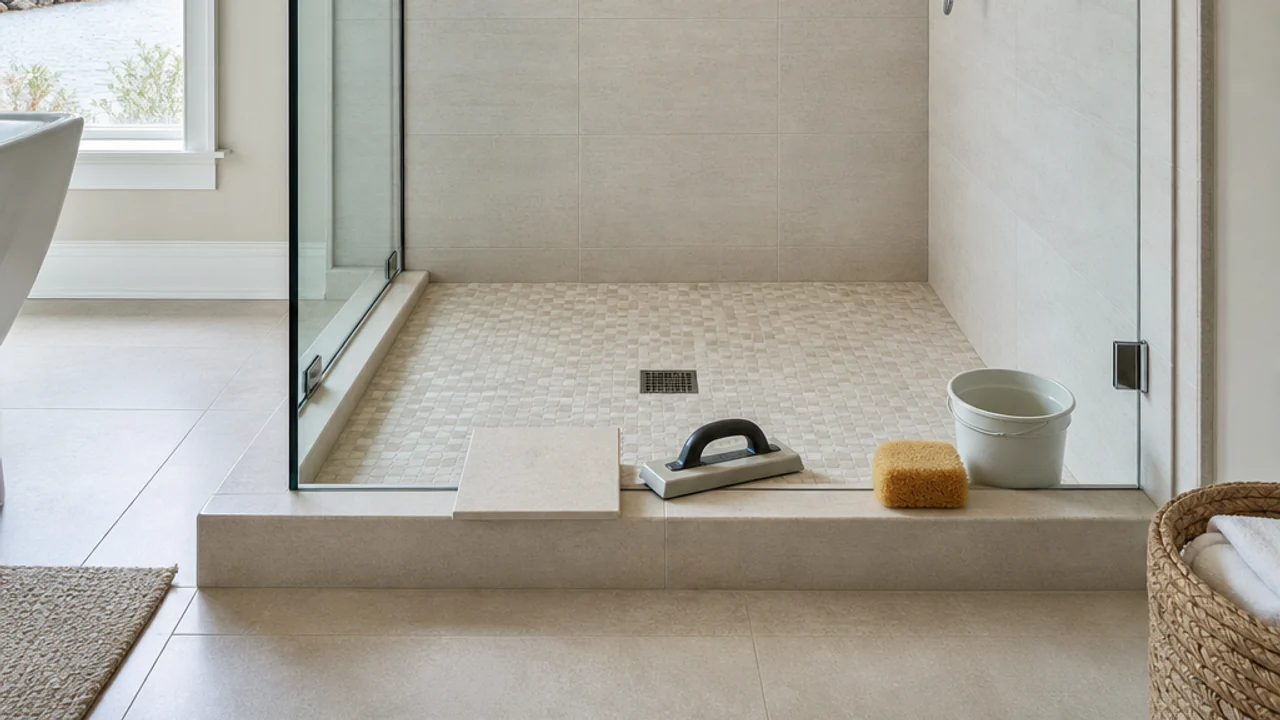
Should You Regrout Shower Tile or Rebuild the Shower?
Regrouting shower tile is worth it when the tile is sound and the waterproofing is intact. When grout keeps reopening or there is a stain below the shower, the problem is usually behind the tile — not in the grout.
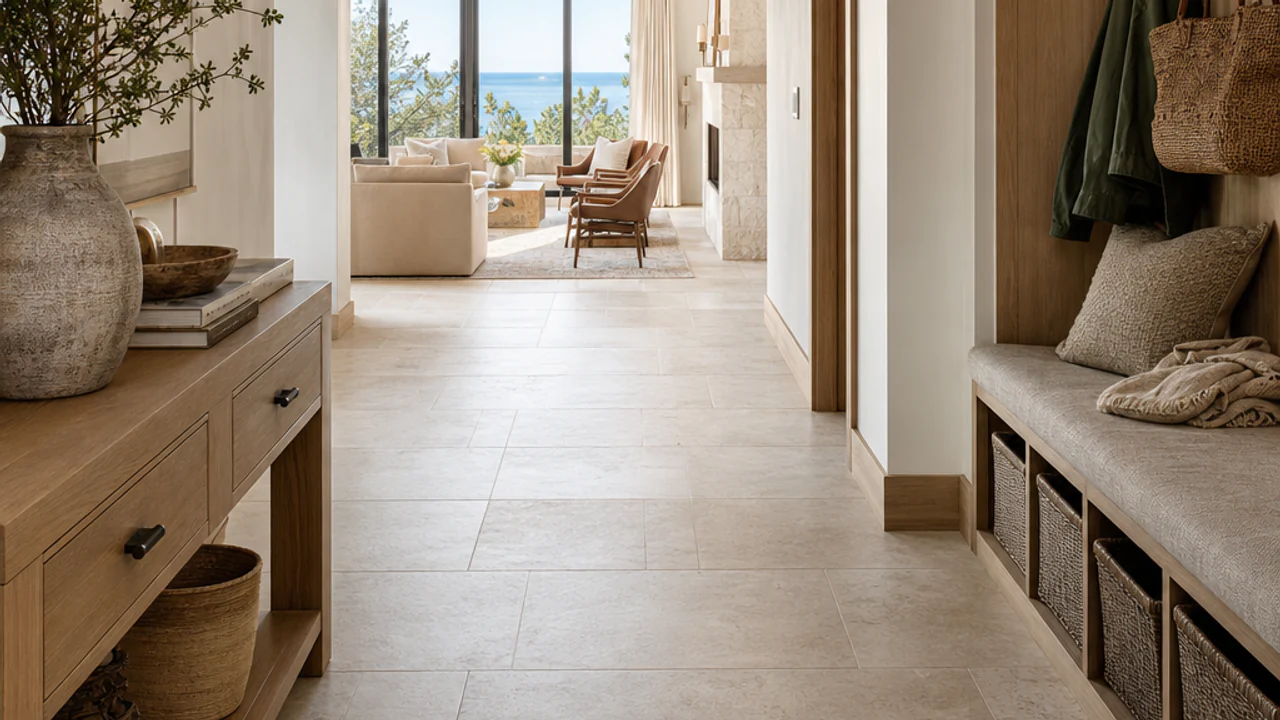
How Much Does Tile Floor Installation Cost?
National cost guides put a complete tile floor at roughly $15 to $75 per square foot, and our own approximate range is $20 to $60 installed. Here is what goes into the price, what pushes it higher, and how to compare estimates.
Tile Services in Greater Grand Rapids
Grand Rapids Masonry & Restoration handles indoor tile work year-round — showers, floors, backsplashes, repair, and replacement across the Grand Rapids metro.
View all tile contractor services →