
How Does Michigan Freeze-Thaw Damage Brick and Stone?
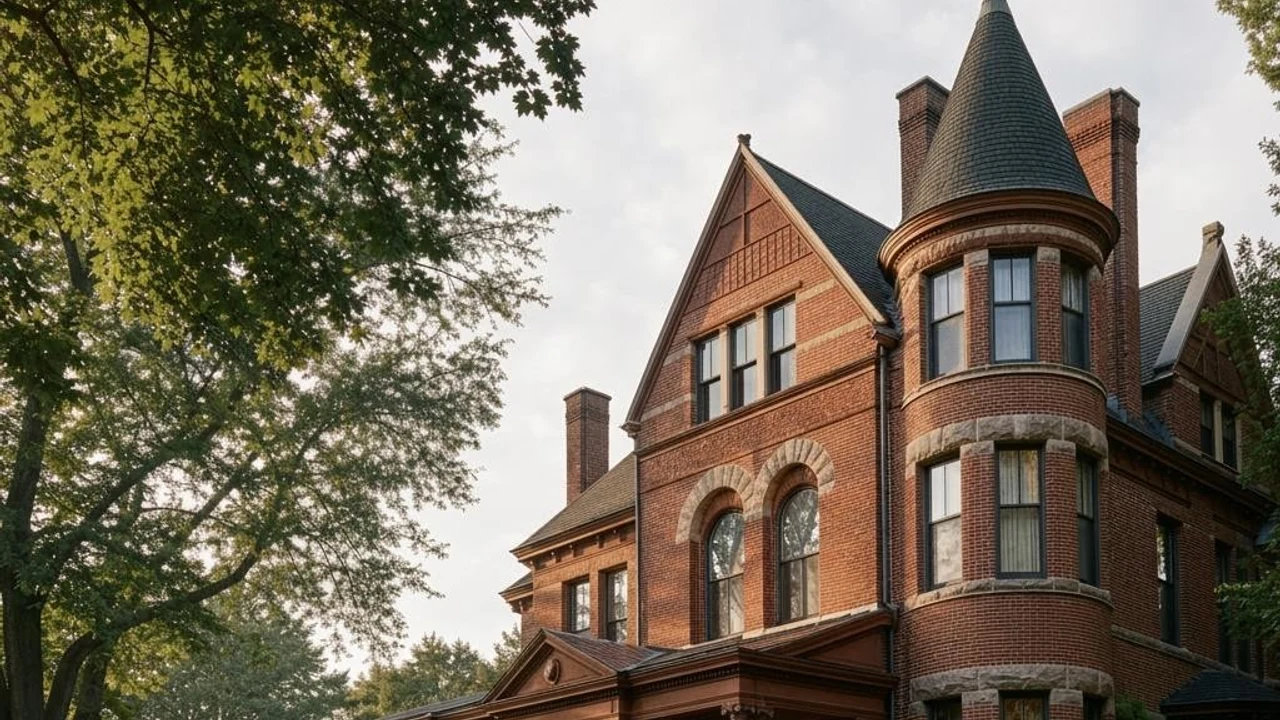
Michigan freeze-thaw damage happens when moisture in brick, stone, or mortar freezes, expands, and breaks the material apart over repeated cycles. Sound joints, proper caps and flashing, and timely repointing slow the cycle — neglect accelerates spalling and cracking every winter.
What is freeze-thaw damage on brick?
Water enters porous masonry or open joints, freezes as temperatures drop, and expands with enough force to flake brick faces and crack mortar. Each cycle removes a little more material. West-facing and splash zones at grade see the most cycles per season.
Road salt and snow melt keep the base of walls wet longer than summer rain alone. Lake-effect wind on lakeshore communities like Grand Haven and Spring Lake adds driving moisture at chimneys, porch walls, and exposed facades.
How do you protect masonry from freeze-thaw in Michigan?
Keep mortar joints sound through repointing before they open wide, manage roof and gutter water away from walls, and repair spalled units promptly so water does not enter behind the face. Breathable wall assemblies outperform film sealers that trap moisture inside brick.
Grade should slope away from foundations; downspouts should discharge away from masonry walks and porches. Porch and stoop separation from the house should be assessed before caulking alone hides movement.
Is winter a bad time for masonry repairs?
Exterior brick and stone repair needs workable temperatures and dry conditions for mortar to cure — most facade work waits for spring through fall. Indoor tile, some interior stone veneer, and planning/estimating can happen year-round while exterior work is on hold.
Scheduling repointing and brick repair in warmer months beats emergency work after a hard winter reveals new spalling. Winter is a good time to inspect and line up spring scope.
What masonry problems show up after winter?
New flaking brick faces, widened mortar joints, efflorescence streaks, loose cap stones, and step cracks at porch attachments are common spring findings. Entry and chimney exposures usually show damage first after a wet, cold season.
Catching open joints in fall reduces the amount of freeze-thaw cycles water gets before the next repair season. Annual walk-arounds after snow melt pay off on century-old Grand Rapids brick.
Explore brick restoration, tuckpointing, stone restoration, and stone patio installation, or request an estimate.
Frequently Asked Questions
Why is Michigan hard on brick homes?
Large temperature swings and repeated freeze-thaw cycles force moisture through masonry. Long winters with wet freeze periods at grade and salt exposure at entries accelerate joint and face deterioration compared to milder climates.
Does sealing brick prevent freeze-thaw damage?
Breathable treatments may help some applications, but film-forming sealers can trap moisture and worsen spalling. Sound joints and keeping water away from the wall assembly matter more than topical products alone.
Can freeze-thaw damage brick chimneys?
Exposed chimney masonry sees heavy freeze-thaw and often shows open joints and spalled units. GRMR focuses on brick repair and tuckpointing at facades and chimneys as part of preservation work — not full chimney rebuild services.
When is the best time to schedule masonry repair in West Michigan?
Exterior repointing and brick repair are typically scheduled in warmer, dry months. Winter is ideal for inspection, estimates, and indoor tile projects while exterior crews wait for workable weather.
Need Professional Help?
If you've identified masonry issues or need a professional inspection, Grand Rapids Masonry & Restoration is here to help. We serve the Grand Rapids metro area and surrounding communities.
Related Articles
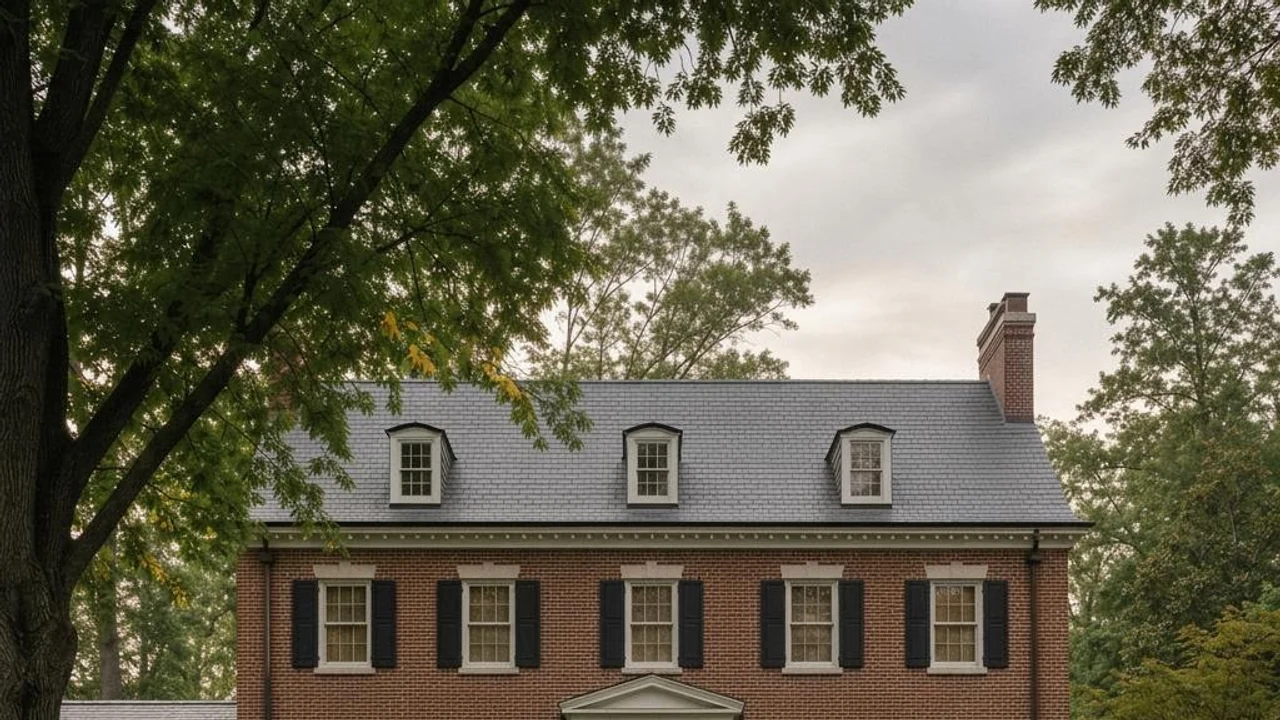
Should You Repair Chimney Brick Before Michigan Winter?
Open mortar joints and spalling brick at the chimney crown worsen fast through Michigan winters. Here is what to inspect in fall and when repointing or brick repair is needed.
What Is Historic Brick Restoration in Grand Rapids?
Historic brick restoration repairs and preserves older masonry using compatible materials and techniques — matching original character while restoring weathertightness in West Michigan homes.
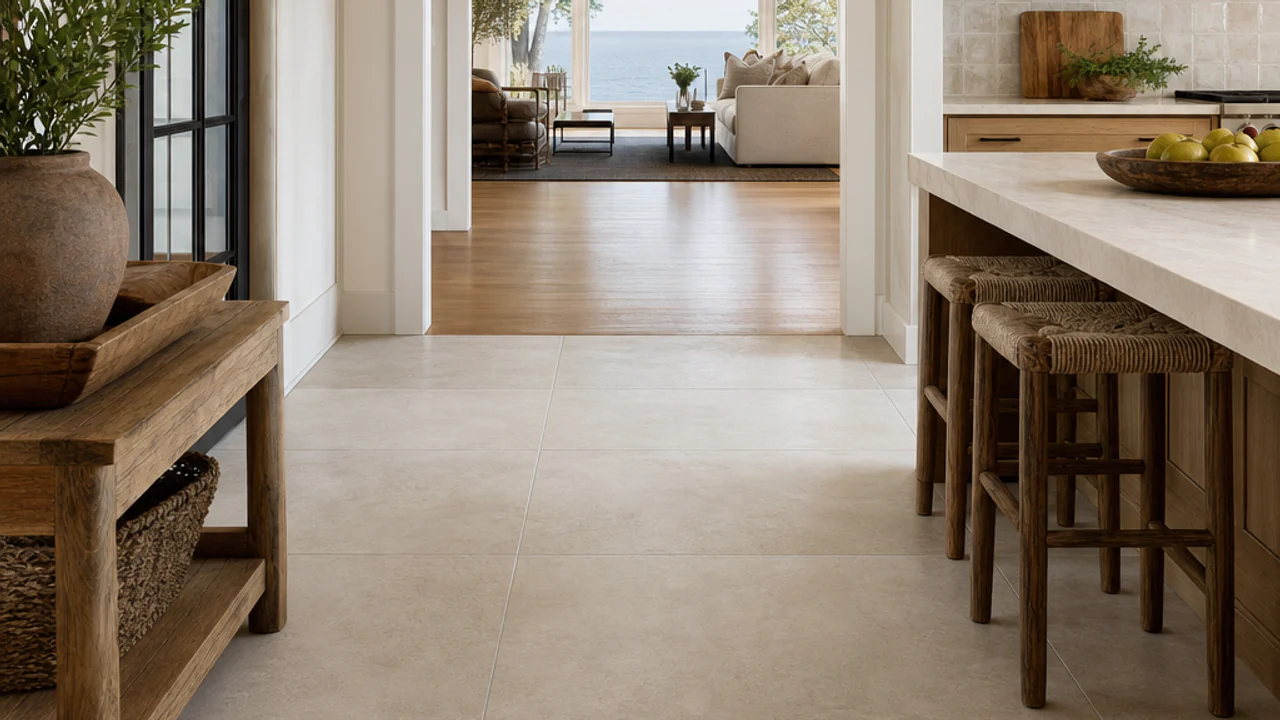
Who Installs Tile in East Grand Rapids?
Tile in East Grand Rapids is installed by tile contractors who handle shower waterproofing, kitchen backsplashes, mudroom floors, and fireplace hearths — not handymen or big-box add-on crews alone. Here is who to hire and what to expect.
Masonry Services Across West Michigan
Grand Rapids Masonry & Restoration serves homeowners throughout the Grand Rapids metro and West Michigan lakeshore.
View all service areas →