

What Is the Best Tile for a Bathroom or Kitchen Floor?
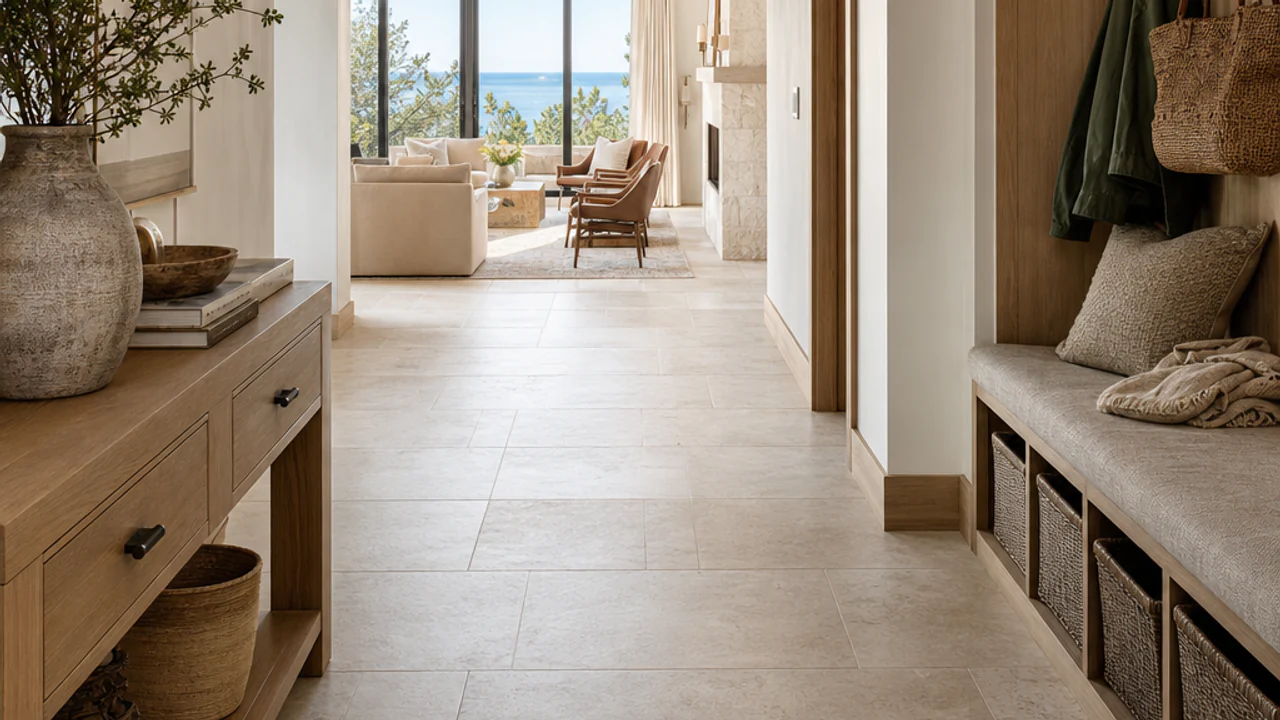
For most bathroom and kitchen floors, porcelain tile is the best all-round choice. It is dense, absorbs very little water, and stands up to spills, foot traffic, and cleaning. Glazed ceramic is a good, often lower-cost option for a bathroom or kitchen with lighter use. Natural stone looks beautiful but needs sealing and more care. Whatever you choose, pick a tile rated for floors with a finish that is not slippery when wet, and remember that the floor underneath the tile decides how long it lasts.
What is the difference between porcelain and ceramic tile?
Both are made from clay and fired in a kiln. Porcelain is made from finer clay and fired hotter, so it comes out denser and absorbs less water. That makes it harder wearing and better suited to wet areas and busy floors. Ceramic is softer and easier to cut, which can make installation simpler, and many glazed ceramic tiles are perfectly suitable for floors. Check that any tile you choose is rated for floor use, because some ceramic tile is made for walls only.
What is the best tile for a bathroom floor?
A bathroom floor gets wet, so slip resistance matters as much as looks. Porcelain with a matte or lightly textured finish is the safest common choice. Smaller tiles, such as mosaics, have more grout lines, which adds grip underfoot, and that is why they are often used on shower floors. Large polished tiles look sleek but can be slippery when wet. In older Michigan homes, a bathroom floor over a cold crawlspace or basement is also a good candidate for a heated tile floor, which is easiest to add when the floor is being tiled anyway.
What is the best tile for a kitchen floor?
A kitchen floor takes dropped pans, chair legs, spills, and constant foot traffic. Porcelain handles all of that well, and through-body or color-body porcelain, where the color runs through the tile, hides chips better than tile with only a surface glaze. A slightly textured finish is easier on wet or greasy days. Darker or mid-tone grout hides kitchen dirt better than white.
Is natural stone a good choice for floors?
Natural stone, such as slate, travertine, or marble, gives a floor a look that manufactured tile imitates. It is heavier, varies piece to piece, and most stone is porous, so it needs sealing to resist staining and periodic resealing after that. Polished marble also scratches and etches from acidic spills, which makes it a demanding choice for a kitchen. Stone suits homeowners who are happy to care for it.
Does tile size matter?
Yes. Large-format tile, the big tiles common on modern floors, has fewer grout lines and a clean, modern look, but it needs a flatter floor underneath. On an uneven floor, the edges of neighboring large tiles sit at slightly different heights, which is called lippage. It catches light, catches toes, and is one of the most common complaints about new tile floors. Older Grand Rapids homes often need subfloor leveling before large tile goes down. Smaller tile is more forgiving of a floor that is not perfectly flat.
Why does the subfloor matter more than the tile?
Tile and grout are rigid. If the floor underneath bends under foot traffic or is not flat, the tile cracks, the grout cracks, or tiles come loose, no matter how good the tile is. A long-lasting tile floor starts with a subfloor that is stiff enough and flat enough for the tile you have chosen, and in older homes that often means some preparation before tiling. See tile floor installation for how we prepare floors, or contact us for a free estimate.
Frequently Asked Questions
Is porcelain or ceramic better for a bathroom floor?
Porcelain is usually the better choice because it is denser and absorbs less water. Glazed ceramic rated for floors also works well in a bathroom with lighter use. Choose a matte or textured finish for better grip when the floor is wet.
What floor tile is least slippery?
Tile with a matte or textured finish, and smaller tile with more grout lines, give the best grip when wet. Large polished tile is the most slippery, so it is better kept out of bathrooms and entryways.
What is tile lippage?
Lippage is when the edges of neighboring tiles sit at different heights. It is most noticeable with large-format tile on a floor that is not flat enough. It is prevented by preparing the subfloor properly and using the right setting method for the tile size.
Can large tile be installed in an older house?
Yes, but older houses often have floors that are uneven or flex more than large tile allows. The subfloor usually needs to be stiffened or leveled first. We check the floor during the estimate and tell you what preparation your chosen tile needs.
Need Professional Help?
If you've identified masonry issues or need a professional inspection, Grand Rapids Masonry & Restoration is here to help. We serve the Grand Rapids metro area and surrounding communities.
Related Articles
How Does Kitchen Tile Floor Installation Work in Grand Rapids Homes?
Kitchen tile floor installation starts with subfloor assessment — flatness, stiffness, and moisture — before tile is selected or set. Here is how the process works in Grand Rapids homes.
How Much Does Tile Floor Installation Cost?
National cost guides put a complete tile floor at roughly $15 to $75 per square foot, and our own approximate range is $20 to $60 installed. Here is what goes into the price, what pushes it higher, and how to compare estimates.
What Tile Works Best for Michigan Entryways and Mudrooms?
Entryway and mudroom tile needs slip resistance, durability against salt and moisture, and a flat substrate that handles seasonal tracking without cracked grout or lippage.
Tile Services in Greater Grand Rapids
Grand Rapids Masonry & Restoration handles indoor tile work year-round — showers, floors, backsplashes, repair, and replacement across the Grand Rapids metro.
View all tile contractor services →