

How Does Kitchen Tile Floor Installation Work in Grand Rapids Homes?
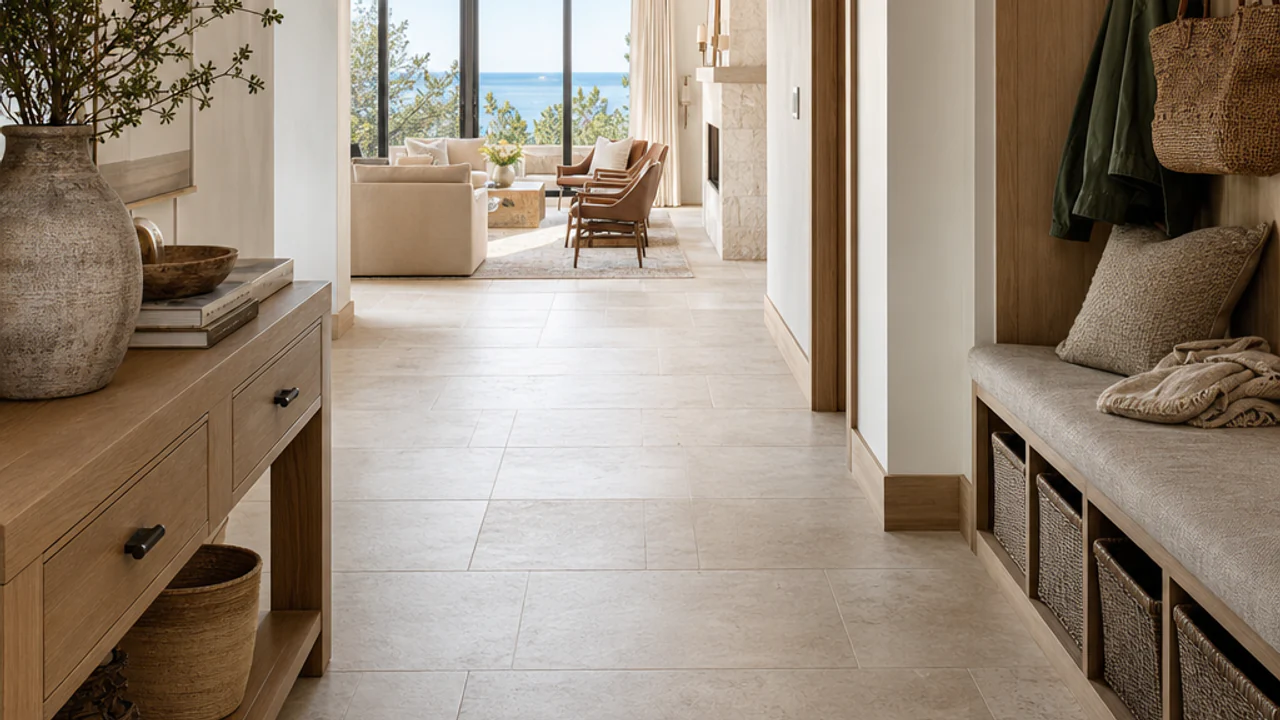
Kitchen tile floor installation starts with subfloor assessment — flatness, stiffness, and moisture — before any tile is selected or set. The finished floor is only as good as what it is bonded to, especially in older Grand Rapids homes with varied subfloor types.
What subfloor preparation is needed before kitchen tile?
The subfloor must be structurally sound, clean, and flat enough for the tile size you choose. Wood subfloors often need cement backer or an uncoupling membrane; concrete slabs need crack treatment and flatness correction where dips or high spots would telegraph through the tile.
Large-format porcelain is less forgiving of uneven substrates than smaller tile. We measure flatness and stiffness during the estimate and include prep in the scope when needed — skipping prep is the most common reason kitchen tile fails prematurely.
How long does a kitchen tile floor installation take?
Duration depends on room size, prep work, tile format, and cure times between setting and grouting. A straightforward kitchen with minimal prep moves faster than one requiring leveling, removal of existing flooring, or complex transitions to adjacent rooms.
Mortar must cure before grout, and grout needs time before heavy kitchen use. We provide a realistic timeline with your written estimate rather than promising a fixed number of days for every kitchen.
Can new tile be installed over an existing kitchen floor?
Sometimes — when the existing tile is well bonded, flat, and free of major cracks. Overlay adds height, which can conflict with cabinet toe kicks, dishwasher openings, and transitions to hardwood or vinyl in adjoining rooms.
We assess overlay versus removal during the site visit. Removal adds labor but often produces a flatter, more predictable base for long-term performance — especially when the old floor has hidden soft spots or failed grout.
What is the difference between porcelain and ceramic kitchen tile?
Both are kiln-fired clay products, but porcelain is denser and absorbs less moisture — making it the better default for kitchen floors that see spills, foot traffic, and chair movement. Ceramic is often appropriate for backsplashes and dry wall areas where durability demands are lower.
Wood-look porcelain plank is popular in open Grand Rapids kitchens tied to living areas. It gives the look of hardwood with tile's moisture resistance when the subfloor is prepared correctly.
How do you protect cabinets and appliances during tile work?
Protection planning starts at the estimate: which appliances move, whether toe kicks are affected by height changes, and how long the kitchen stays partially out of service. Floor protection, dust control, and clear work zones keep the rest of the home usable when possible.
Refrigerator and range access is a practical concern — we sequence work so you are not without essentials longer than necessary. Winter installs follow the same protection standards as summer; the difference is scheduling, not technique.
When the existing kitchen floor is coming out, that is tile replacement rather than a new install on bare substrate. Learn more about our kitchen and entryway tile floor process, browse small tile jobs, or request a free estimate for your Grand Rapids kitchen.
Frequently Asked Questions
Is large-format porcelain good for Grand Rapids kitchens?
Large-format porcelain works well in open kitchens when the subfloor is flat and stiff enough to support it. Fewer grout lines mean easier cleaning, but prep requirements are stricter than with smaller tile formats.
How soon can I walk on a new tile floor?
Light foot traffic is usually possible after setting mortar reaches initial set, but full cure and grout timing vary by product and conditions. We give specific guidance at the end of installation based on the materials used.
Does tile floor installation create much dust?
Removing old flooring and grinding high spots creates some dust. We use containment and cleanup practices to limit spread, but plan for temporary disruption in the work area — especially during demo and prep phases.
Can kitchen tile match my existing backsplash?
Matching is possible when the original tile is still available or a close substitute exists. Many homeowners update floor and backsplash together for a coordinated look — we discuss options during the planning conversation.
Need Professional Help?
If you've identified masonry issues or need a professional inspection, Grand Rapids Masonry & Restoration is here to help. We serve the Grand Rapids metro area and surrounding communities.
Related Articles
Why Is Winter the Best Time for Tile Projects in Michigan?
Yes — indoor tile in kitchens, entryways, mudrooms, and backsplashes can be scheduled through Michigan winters. Learn why winter timing often works better for West Michigan homeowners.
What Are the Best Indoor Tile Projects for Michigan Winters?
Kitchen floors, entryways, mudrooms, backsplashes, and fireplace hearth tile are the strongest winter tile projects because they are indoor, climate-controlled work in West Michigan homes.
What Tile Works Best for Michigan Entryways and Mudrooms?
Entryway and mudroom tile needs slip resistance, durability against salt and moisture, and a flat substrate that handles seasonal tracking without cracked grout or lippage.
Tile Services in Greater Grand Rapids
Grand Rapids Masonry & Restoration handles indoor tile work year-round — showers, floors, backsplashes, repair, and replacement across the Grand Rapids metro.
View all tile contractor services →