
Should You Repair Chimney Brick Before Michigan Winter?
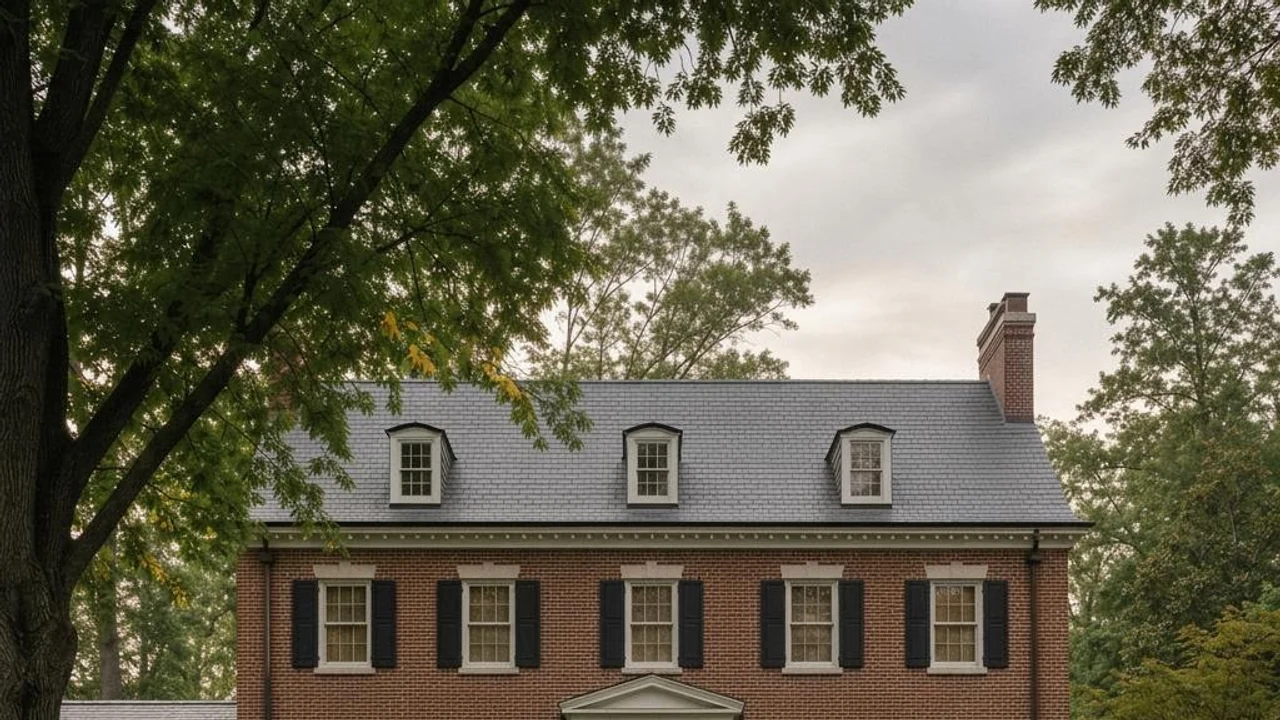
Chimney brick repair before Michigan winter matters because the top of the stack takes the most water, wind, and freeze-thaw cycles on the house. Open mortar joints, cracked crowns, and spalling brick faces let water in all season — and each freeze opens the assembly a little further until partial rebuilds become the only option.
Why do chimneys fail from the top down?
The upper courses sit above the roof line with no overhang protection. Rain, snow melt, and wind-driven moisture enter open joints and porous brick, freeze, and expand — water expands about 9% when it freezes — breaking mortar and brick faces apart. Damage usually starts at the crown and works downward while the lower chimney may still look sound.
In West Michigan, west-facing and lake-exposed chimneys see the cycle accelerated. Road salt spray near driveways adds stress at the base. A chimney that has never been repointed after 40–60 years is often due for joint work at the top before another winter.
What should I look for during a fall chimney inspection?
Walk the property after leaves drop and look up: open horizontal mortar joints, missing mortar between units, brick faces flaking off (spalling), white efflorescence with visible joint loss, and cracks through the crown or cap. Loose or leaning pots, gaps between the chimney and flashing, and staining on interior walls near the fireplace are also signals that water is getting in.
Hairline mortar erosion alone may be monitorable; open joints you can fit a pencil into, active spalling, or a cracked crown should be assessed before winter — not deferred to spring.
Is fall a good time for chimney repointing?
Fall is often the last practical window for exterior repointing before deep cold. Mild October stretches allow mortar to cure on sheltered chimneys and urgent joint work on exposed stacks. Severely deteriorated chimneys may need partial rebuild rather than repointing alone — assessment confirms whether joints are the issue or units are too far gone.
See our guide on when to repoint brick in Michigan for broader timing on exterior mortar work. Winter remains useful for inspection, estimates, and scheduling spring scope even when repointing waits for warmer weather.
When does a chimney need brick repair instead of repointing alone?
Repointing fixes open joints when the brick units are still sound. Brick repair — replacing spalled or cracked units and rebuilding affected courses — is needed when faces have popped off, units are loose, or stair-step cracks run through multiple bricks. Crown rebuilds and cap repairs are separate from joint work but often part of the same project when the top is failing.
Hard modern mortar on older soft brick can accelerate spalling; compatible repointing mortar matched to the existing wall slows the cycle. A mason evaluates whether the stack is stable, whether flashing is contributing to water entry, and whether the crown needs rebuild before joints are repointed.
Can I wait until spring to fix chimney mortar joints?
Open joints left through winter admit water during every freeze cycle. What was tuckpointing in September can become unit replacement and crown rebuild by April on an exposed stack. Fall inspection and scheduling — even if some work waits for spring — prevents the worst damage from compounding.
See tuckpointing, brick repair, or contact us for a free chimney assessment in the Grand Rapids metro area.
Frequently Asked Questions
How do I know if my chimney mortar joints are failing?
Look for missing or crumbling mortar between bricks, especially in the upper courses and at the crown. Spalling brick faces, efflorescence, and gaps wider than a pencil width are common signs. Interior water stains near the fireplace can also indicate water entering through the stack.
Is chimney repointing different from wall repointing?
The technique is similar — remove failed mortar to proper depth, clean the joint, and install compatible new mortar — but chimneys add height, exposure, and crown complexity. Access, weather exposure, and whether the crown needs rebuild affect scope and timing compared with a ground-level wall.
Should I hire a mason or a chimney sweep for brick repair?
Chimney sweeps focus on flue cleaning and inspection; open mortar joints, spalled brick, and crown rebuilds are masonry work. A qualified mason assesses the brick assembly, repoints or rebuilds affected courses, and addresses crown and cap failures. Sweeps are useful for flue condition — masons handle the brick structure.
Does a deteriorating chimney affect my roof?
Yes, indirectly. Failed flashing at the chimney base, open joints that let water run behind the stack, and loose brick that falls onto the roof all create problems. Sound repointing, crown repair, and proper flashing integration protect both the chimney and the roof assembly at the penetration.
Need Professional Help?
If you've identified masonry issues or need a professional inspection, Grand Rapids Masonry & Restoration is here to help. We serve the Grand Rapids metro area and surrounding communities.
Related Articles
How Does Michigan Freeze-Thaw Damage Brick and Stone?
Freeze-thaw cycles drive much of the masonry damage Michigan homeowners see — spalling brick, open mortar joints, and cracked stone. Here is how the cycle works and what slows it down.
What Is Tuckpointing and When Do You Need It?
Tuckpointing restores deteriorated mortar joints in brick walls — protecting against water entry and freeze-thaw damage in Michigan homes. Here is when repointing is needed.
When Is the Best Time to Repoint Brick in Michigan?
Exterior repointing needs workable weather, but fall inspection and winter planning matter too. Here is when to schedule brick mortar repair in West Michigan.
Masonry Services Across West Michigan
Grand Rapids Masonry & Restoration serves homeowners throughout the Grand Rapids metro and West Michigan lakeshore.
View all service areas →