

What Is Tuckpointing and When Do You Need It?
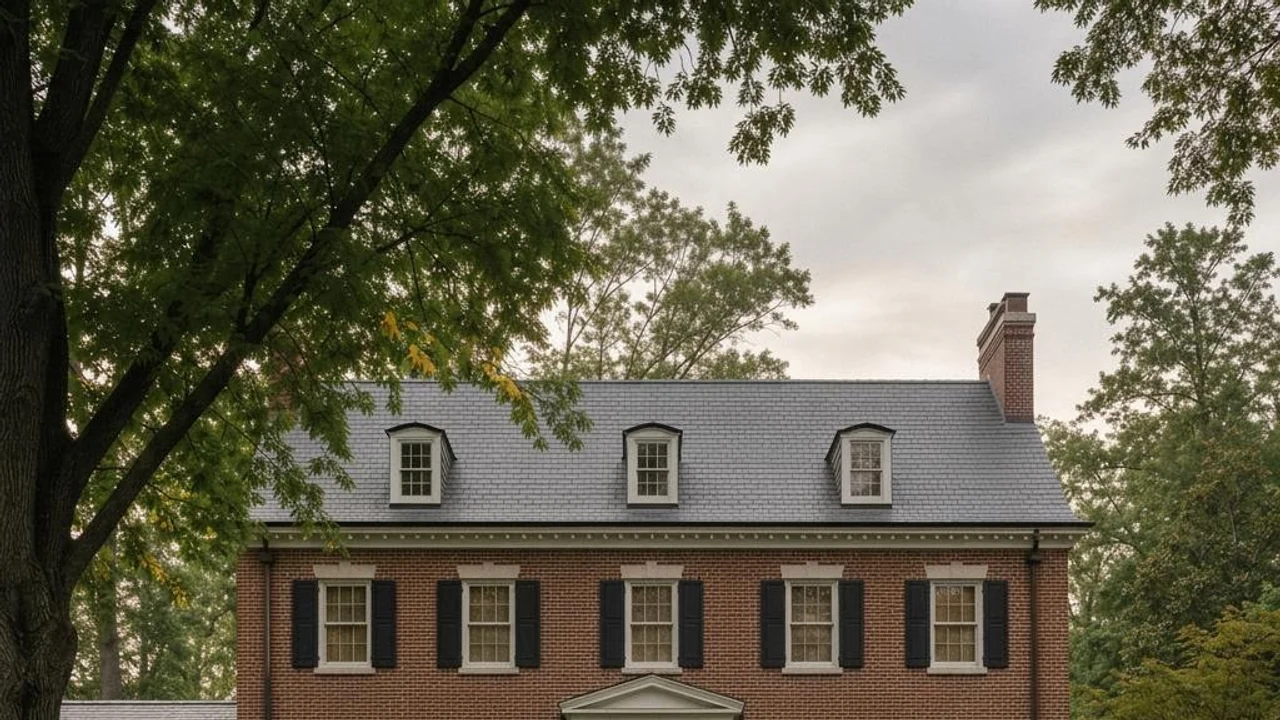
Tuckpointing — repointing — is the process of removing deteriorated mortar from brick joints and installing new mortar matched to the wall. You need it when joints are open, crumbling, or letting water behind the brick — before freeze-thaw damage spreads to the units themselves.
What is tuckpointing on a brick house?
Tuckpointing replaces failed mortar in the joints between brick units. The old mortar is removed to a proper depth, the joint is cleaned, and new mortar is packed and tooled to match the original profile. It is structural maintenance, not just cosmetic — sound joints keep water out of the wall assembly.
On historic lime-mortar walls, compatible replacement mortar is softer than the brick so the wall can breathe. On newer veneer, the goal is still watertight joints without trapping moisture at the face. Matching color and joint width preserves the look while restoring function.
How do I know if my mortar joints need tuckpointing?
Mortar that crumbles when probed, gaps you can see between brick units, stair-step cracking along joints, and white efflorescence on the face are common signs. Interior moisture or staining near exterior brick walls can follow open joints as well.
Joints eroded more than about the width of the joint itself usually need repointing rather than a skim coat. A quick annual check after winter — especially on west- and south-facing walls — catches joint failure before spalled brick follows.
What happens if you ignore crumbling mortar joints?
Open joints let water in. In Michigan winters that water freezes, expands, and begins popping brick faces and widening cracks. What started as repointing scope can become partial brick replacement, lintel rust, or interior damage if joints stay open through several seasons.
Loose or shifting units, missing mortar at the base of chimneys and porch walls, and prior patch jobs that do not match the surrounding wall are signals the problem is past cosmetic stage. Earlier repointing is almost always less disruptive than waiting for unit loss.
How long does tuckpointing last?
Quality repointing with compatible mortar and proper joint preparation typically lasts decades on residential walls — often longer than the original joint life when modern patch materials are avoided on historic brick. Exposure, roof water, and prior damage affect how quickly new joints need attention.
Walls that stay dry and joints that were fully prepared before repointing hold up best. Chronic gutter overflow or splash at grade will shorten any mortar's service life regardless of craftsmanship.
Is tuckpointing a DIY project?
Small touch-ups tempt DIYers, but matching mortar strength, color, and joint profile — and removing old mortar without damaging brick — takes experience. Incorrect mortar on soft historic brick can accelerate spalling. Professional repointing includes assessment of what failed and why.
Grand Rapids has a deep stock of early-20th-century brick homes where joint work is preservation as much as repair. We prioritize compatible materials and full joint prep over fast cosmetic fills.
Learn about tuckpointing in Grand Rapids, review the 2026 Grand Rapids tuckpointing cost ranges, or contact us for a free assessment.
Frequently Asked Questions
What is the difference between tuckpointing and repointing?
Repointing is replacing deteriorated mortar in joints. Tuckpointing often refers to the same repair work in residential language, or to a decorative technique using two mortar colors. On most Grand Rapids homes, the needed work is structural repointing of open joints.
How often should brick mortar be repointed?
There is no fixed calendar — joint life depends on exposure, original mortar, and maintenance. Many Michigan brick facades need attention after decades of weathering. Inspect joints after winter and repoint when erosion is advanced, not when units begin to fail.
Can you tuckpoint in winter?
Exterior repointing needs workable temperatures and dry conditions so mortar cures correctly. Small urgent repairs may be possible in mild stretches; most facade repointing is scheduled for warmer, drier months in West Michigan.
Does tuckpointing stop water leaks?
Sound repointing stops water entry through open joints — a common source of wall leaks. If leaks persist, flashing, caps, or other paths may also need review. Joint work addresses mortar failure, not every roof or window detail.
Need Professional Help?
If you've identified masonry issues or need a professional inspection, Grand Rapids Masonry & Restoration is here to help. We serve the Grand Rapids metro area and surrounding communities.
Related Articles
When Is the Best Time to Repoint Brick in Michigan?
Exterior repointing needs workable weather, but fall inspection and winter planning matter too. Here is when to schedule brick mortar repair in West Michigan.
Should You Repair Chimney Brick Before Michigan Winter?
Open mortar joints and spalling brick at the chimney crown worsen fast through Michigan winters. Here is what to inspect in fall and when repointing or brick repair is needed.
Who Installs Tile in East Grand Rapids?
Tile in East Grand Rapids is installed by tile contractors who handle shower waterproofing, kitchen backsplashes, mudroom floors, and fireplace hearths — not handymen or big-box add-on crews alone. Here is who to hire and what to expect.
Masonry Services Across West Michigan
Grand Rapids Masonry & Restoration serves homeowners throughout the Grand Rapids metro and West Michigan lakeshore.
View all service areas →