

What Causes White Stains on Brick Veneer in Michigan?

Efflorescence is the white powdery staining that appears on brick and mortar when water-soluble minerals migrate to the surface and evaporate. On newer brick veneer in Michigan, it is often most visible in the first few years after construction — but recurring stains in the same spot usually mean water is repeatedly entering the wall, not just drying out construction moisture.
What is efflorescence on brick?
Efflorescence is salt left behind when moisture moves through masonry and evaporates at the face. It can look like white powder, chalky streaks, or crystalline deposits along mortar joints and brick courses — often worst at the base of walls, below window sills, and at chimney bases where water concentrates.
On brand-new veneer, efflorescence sometimes appears once as construction moisture works its way out and can often be cleaned when the wall dries. When it returns to the same location season after season, the wall is staying wet there — and the source needs diagnosis, not just another cleaning.
Why does efflorescence appear on newer Michigan homes?
New subdivision and custom homes across Allendale, Walker, Hudsonville, and the broader metro often use brick veneer over wood framing. Water can enter through open joints, failed flashing, missing or blocked weep holes, splash zones at grade, or caps and sills that direct runoff toward the wall instead of away from it.
Clay-influenced soils and slow-draining lots keep lower courses wet longer after rain and snow melt. Freeze-thaw cycling then pushes more moisture through the assembly each season — efflorescence at the base of a wall is often the visible sign of that cycle, even when the brick itself looks otherwise sound.
Is efflorescence on brick dangerous?
Efflorescence itself is not structural damage — it is a symptom of moisture movement. The concern is what keeps driving that moisture: open mortar joints, blocked drainage cavities, failed lintels, or grade that sends water toward the foundation. Left unaddressed, chronic wetting leads to spalling brick, eroded joints, and interior moisture problems.
Cleaning removes the stain temporarily. Fixing the water path — repointing open joints, restoring weep holes, correcting flashing, or adjusting grade — addresses the cause. See our guide on brick spalling in Michigan for what happens when moisture stays in the wall through repeated freeze-thaw cycles.
How do I remove efflorescence from brick?
Dry brushing and gentle rinsing handle light surface deposits on sound masonry. Heavier buildup may need a cleaner matched to the brick type — aggressive acid cleaning can damage faces and force water deeper into the wall. Always identify whether the stain is actively recurring before investing in cosmetic cleaning alone.
If efflorescence returns after cleaning, schedule assessment before sealing or coating the wall. Film-forming sealers trap moisture inside brick and often accelerate spalling on Michigan exposures.
When should I call a mason about efflorescence?
Call when stains keep returning in the same area, when white deposits appear with open or crumbling mortar joints, when brick faces begin flaking, or when interior drywall near an exterior wall shows moisture damage. On Allendale and Walker subdivision homes, recurring efflorescence at the base of veneer often traces to grade, weep holes, or porch settlement — all fixable when caught early.
See brick repair in Grand Rapids, tuckpointing, or contact us for a free assessment.
Frequently Asked Questions
Is efflorescence normal on new brick?
Light efflorescence in the first year or two after construction is common as residual moisture leaves the wall. It is less normal when heavy staining keeps returning to the same spot after the home has been occupied for several seasons — that pattern usually signals an ongoing water entry path.
Does efflorescence mean my brick is defective?
Not necessarily. Efflorescence reflects minerals dissolved in water that moved through the masonry — the brick may be fine while joints, flashing, weep holes, or grade are allowing repeated wetting. Assessment separates cosmetic staining from assembly problems that need repair.
Can I seal brick to stop efflorescence?
Sealing before fixing the water source often makes things worse. Film-forming sealers trap moisture inside the wall. Sound repointing, proper flashing, open weep holes, and breathable water repellents — applied only after the wall is dry and joints are sound — are safer long-term approaches.
Does efflorescence appear on stone veneer too?
Yes. Manufactured and natural stone veneer can show similar white staining when water moves through the assembly and evaporates at the face. The same principle applies: recurring stains mean recurring moisture, and the drainage path behind the veneer deserves inspection.
Need Professional Help?
If you've identified masonry issues or need a professional inspection, Grand Rapids Masonry & Restoration is here to help. We serve the Grand Rapids metro area and surrounding communities.
Related Articles
Why Is My Brick Flaking and Peeling Off?
Spalling is when the outer face of brick crumbles or flakes off — common in Michigan where freeze-thaw cycles drive moisture into masonry. Here is what causes it and what to do next.
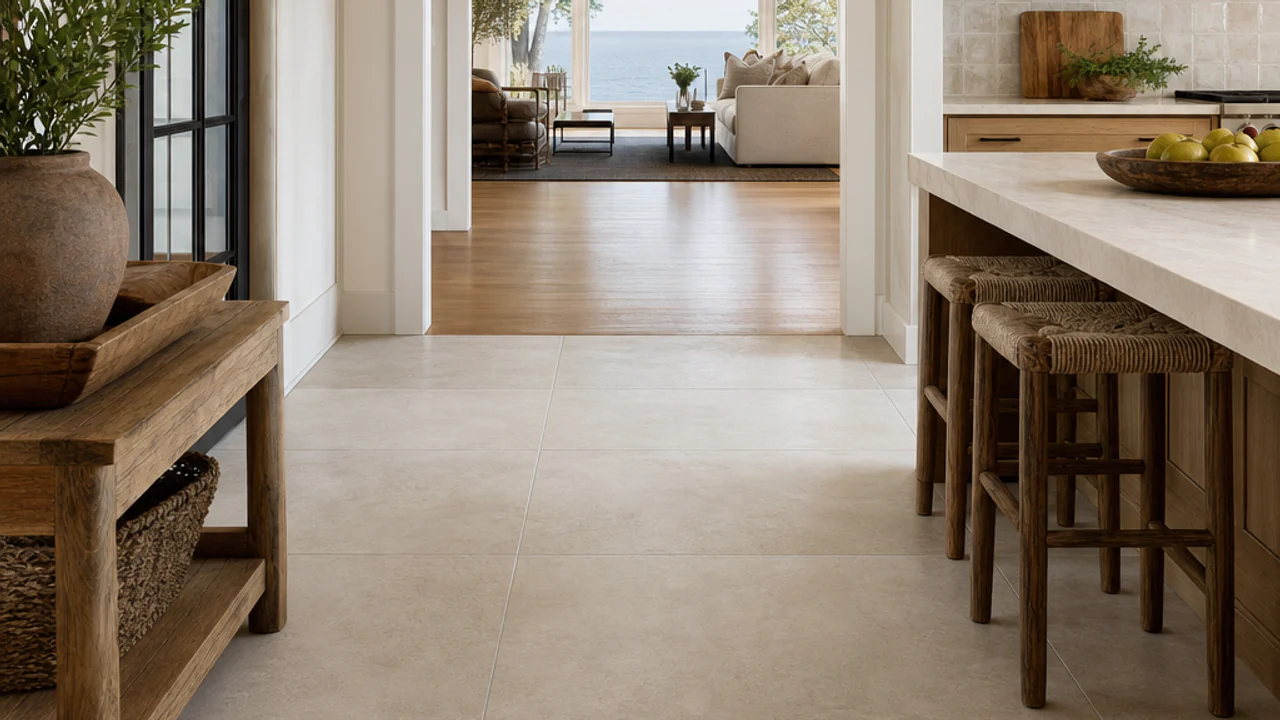
Who Installs Tile in East Grand Rapids?
Tile in East Grand Rapids is installed by tile contractors who handle shower waterproofing, kitchen backsplashes, mudroom floors, and fireplace hearths — not handymen or big-box add-on crews alone. Here is who to hire and what to expect.
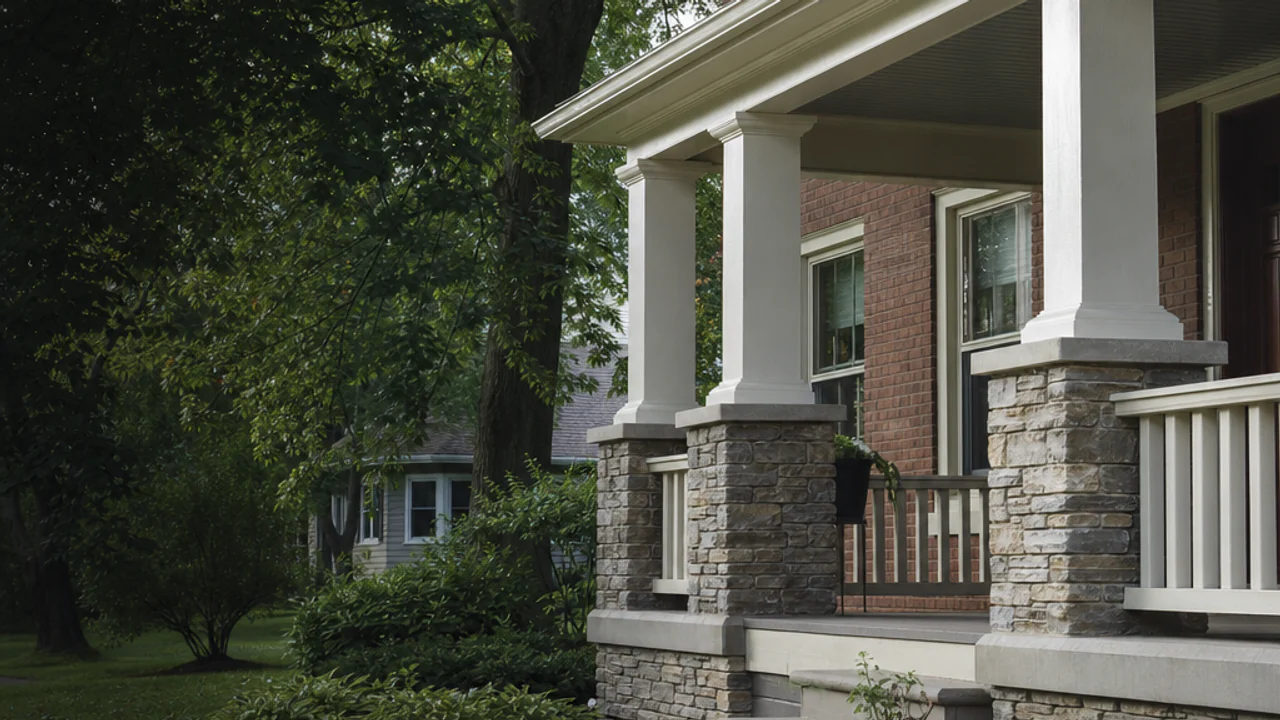
What Is the Difference Between Stone Veneer and Full-Stone Construction?
Stone veneer adds natural or manufactured stone faces to walls without full-depth structural stone. Here is how veneer compares to full-stone construction for Michigan homes.
Masonry Services Across West Michigan
Grand Rapids Masonry & Restoration serves homeowners throughout the Grand Rapids metro and West Michigan lakeshore.
View all service areas →