

Should You Seal Brick in Michigan?
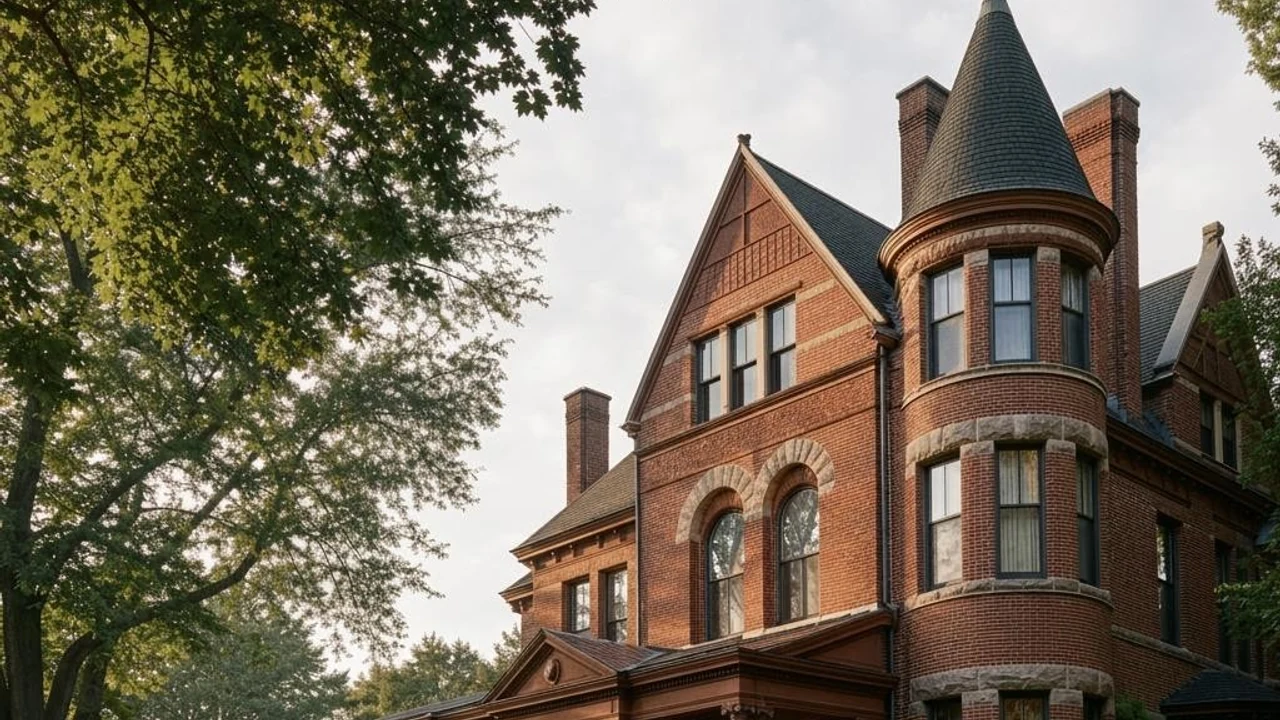
Most sound brick in Michigan does not need a sealer. Brick and mortar are designed to take on some water and dry out again. A sealer only helps when it is the right type, a breathable water repellent, and only after the mortar joints are sound and the wall has dried. The wrong sealer, or the right one applied over open joints, can trap water inside the brick and make freeze-thaw damage worse.
Does brick need to be sealed?
Usually not. A brick wall in good condition sheds most water and dries the rest out through its face. Where water gets in, it is almost always through the mortar joints, flashing, sills, or gutters that dump water on the wall, not through the face of sound brick. Fixing those paths does far more than a coating.
Sealing can make sense on brick that soaks up a lot of water, such as softer older brick or a wall that takes heavy wind-driven rain, and on brick that has just been cleaned and repointed as part of a restoration. In those cases a breathable water repellent reduces how much water the face absorbs while still letting the wall dry.
What is the difference between brick sealers?
There are two broad kinds. Film-forming sealers, such as many acrylic and glossy coatings, sit on the surface and form a skin. They can change the look of the brick and, more importantly, they slow the wall from drying. Water that gets in behind the film, through a joint or a crack, stays in the brick, and in a Michigan winter that trapped water freezes and pushes the face off.
Penetrating water repellents soak into the brick instead of coating it. They reduce how much liquid water the face absorbs but leave the pores open, so water vapor can still escape. On masonry walls, a breathable penetrating repellent is the safer choice when a treatment is needed at all.
Can sealing brick cause damage?
Yes. The most common damage from the wrong sealer is spalling, where the outer face of the brick flakes or pops off. It happens when a coating keeps moisture inside the brick through repeated freeze-thaw cycles. White staining that keeps coming back, called efflorescence, can also get worse behind a sealer because the minerals collect under the coating. See our guides on brick spalling and white stains on brick for how those problems develop.
What should be fixed before sealing brick?
Repoint open, cracked, or crumbling mortar joints first, because a repellent cannot bridge a gap. Replace spalled or cracked bricks. Make sure gutters, downspouts, sills, and caps are sending water away from the wall, and that weep holes at the base of brick veneer are open. Then let the wall dry out fully before anything is applied. Sealing a wall that is still wet, or that still has open joints, locks the problem in.
How much does brick cleaning and sealing cost?
Our West Michigan planning range for cleaning and sealing brick, when it is done as part of a restoration, is about $3 to $5 per square foot. Repointing, which usually needs to happen first, runs about $11 to $25 per square foot for full repointing and $18 to $35 per square foot for historic lime mortar work on older, softer brick. See the full masonry cost guide for the other ranges. We give a firm figure after seeing the wall.
Should you paint brick instead of sealing it?
Paint is a film too, so it carries the same risk: many common paints slow the wall from drying and can lead to peeling and spalling on a Michigan exposure. If the goal is a cleaner look, cleaning and repointing often brings tired brick back without a coating. If the goal is keeping water out, fixing the joints and the water paths is the real answer. See Should You Paint a Brick House in Michigan? for more.
If you are not sure whether your wall needs a treatment, see brick restoration and tuckpointing, or contact us for a free assessment.
Frequently Asked Questions
Should I seal my brick house?
Most sound brick does not need sealing. It makes sense mainly for brick that absorbs a lot of water, or after a wall has been cleaned and repointed, and then only with a breathable penetrating water repellent. Fix open mortar joints and water paths first, and let the wall dry before anything is applied.
What kind of sealer is best for brick?
A breathable penetrating water repellent, which soaks in and reduces water absorption without forming a skin on the surface. Film-forming sealers and glossy coatings can trap moisture inside the brick, which leads to spalling through Michigan freeze-thaw cycles.
Can I seal brick to stop water getting into my basement?
Usually not. Water in a basement more often comes from open mortar joints, cracks, grading, or gutters and downspouts than from the face of the brick. Sealing the outside face will not stop water coming through a failed joint or a foundation crack. Find and fix the water path first.
How much does it cost to clean and seal brick?
Our West Michigan planning range for cleaning and sealing brick as part of a restoration is about $3 to $5 per square foot. Any repointing needed first is priced separately, at about $11 to $25 per square foot for full repointing. We give a firm figure after seeing the wall.
Need Professional Help?
If you've identified masonry issues or need a professional inspection, Grand Rapids Masonry & Restoration is here to help. We serve the Grand Rapids metro area and surrounding communities.
Related Articles
Should You Paint a Brick House in Michigan?
Painting brick changes how the wall handles water, and in a Michigan winter that matters. Here is what to know before you paint, the breathable options, and what to do instead.
How Does Michigan Freeze-Thaw Damage Brick and Stone?
Freeze-thaw cycles drive much of the masonry damage Michigan homeowners see — spalling brick, open mortar joints, and cracked stone. Here is how the cycle works and what slows it down.
What Is Historic Brick Restoration in Grand Rapids?
Historic brick restoration repairs and preserves older masonry using compatible materials and techniques — matching original character while restoring weathertightness in West Michigan homes.
Masonry Services Across West Michigan
Grand Rapids Masonry & Restoration serves homeowners throughout the Grand Rapids metro and West Michigan lakeshore.
View all service areas →