

Why Is My Brick Flaking and Peeling Off?
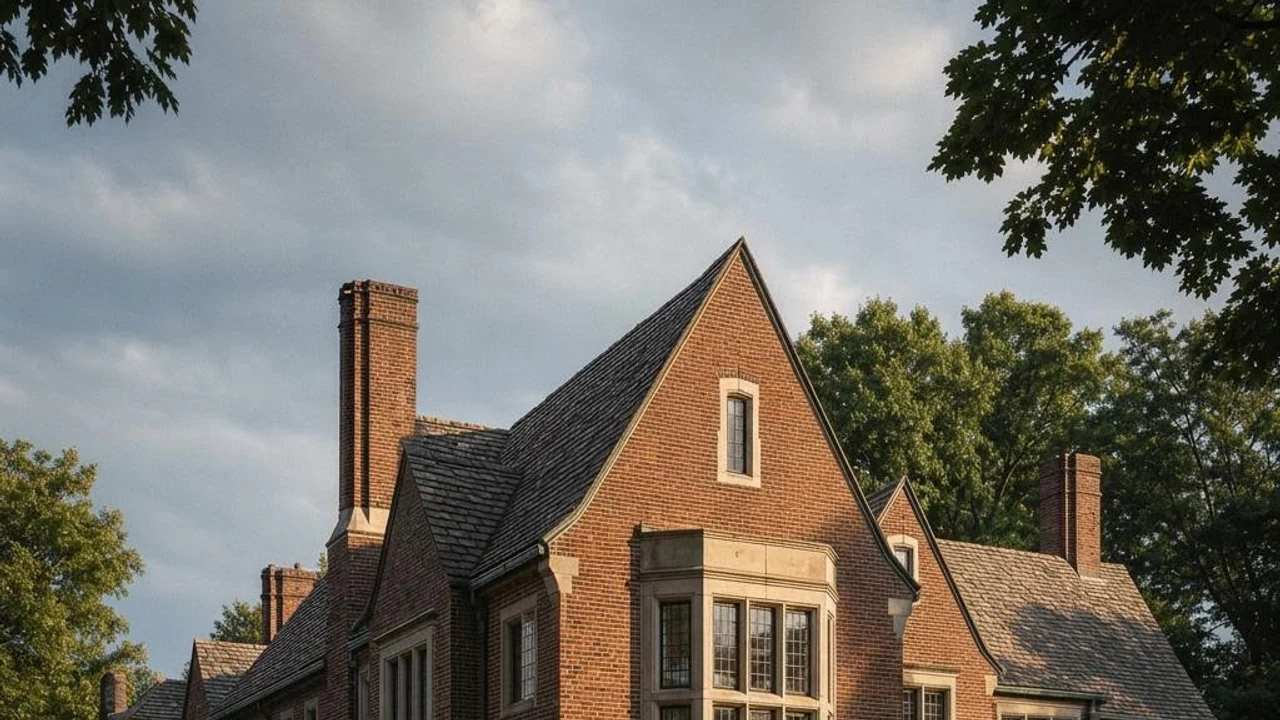
Spalling is when the outer surface of brick crumbles, flakes, or pops off — and it is especially common in Michigan where repeated freeze-thaw cycles push moisture through mortar joints and into brick faces. The damage often starts small and spreads when water keeps entering the wall.
Why is my brick flaking and peeling off?
Brick flaking — spalling — happens when moisture gets into the unit and expands when it freezes, breaking the face away from the body of the brick. In West Michigan, wind-driven rain, failed mortar joints, and splash zones near grade and roofs accelerate the cycle.
Spalling can also follow prior repairs if hard modern mortar was used on softer historic brick, trapping moisture at the face. High-pressure cleaning can force water deeper into the wall and damage the outer surface. The first step is identifying whether the problem is localized or spreading across a wall plane.
What causes brick spalling in Michigan?
Freeze-thaw is the primary driver: water enters through open joints or porous brick, freezes, and creates internal pressure. Road salt spray near driveways and walkways adds stress at the base of walls. Gutters that overflow or grade that directs water toward the foundation keep masonry wet longer than it should stay.
Older Grand Rapids homes — Heritage Hill clay brick, post-war veneer, porch and foundation transitions — each fail in slightly different patterns, but the mechanism is the same: water in, freeze, face loss. Sound repointing and matched repair units address the root cause better than sealing alone.
Can spalled brick be repaired without replacing the whole wall?
Often yes. Localized spalling affecting individual units can be addressed by removing damaged brick and installing matched replacements with compatible mortar. Widespread spalling across a facade may indicate systemic moisture entry that needs repointing, flashing review, or cap repairs — not just spot units.
We assess whether the remaining wall is stable, whether joints are open, and whether prior patches trap moisture before recommending repair scope. Replacement of a few units without fixing joint failure usually means the problem returns on the next freeze cycle.
When should I call a mason about spalling brick?
Call when you see faces lifting or crumbling, stair-step cracks through multiple units, loose brick, or white efflorescence with open joints — especially after winter. Small areas caught early cost far less than walls left until units fall out or moisture reaches the interior.
Bulging, major displacement, or rapid spread across a wall needs prompt assessment. Cosmetic flaking on a sheltered section still deserves inspection if joints are eroded — spalling rarely stays isolated on Michigan exposures.
How do I prevent brick spalling on my Grand Rapids home?
Keep mortar joints sound through timely repointing, manage roof and gutter water away from walls, and avoid film-forming sealers that trap moisture inside brick. Breathable assemblies and compatible repair mortar matter more than topical products alone.
Annual visual checks after winter — looking for new flakes, open joints, and staining at the base of walls — catch problems before they spread across a elevation. Entry and west-facing walls usually show damage first.
See our brick repair services or request an estimate if spalling is showing up on your home.
Frequently Asked Questions
What is brick spalling?
Spalling is when the outer face of a brick crumbles, flakes, or pops off. It is common in Michigan where moisture enters the unit, freezes, and breaks the surface away from the body of the brick.
Can spalled brick be repaired?
Yes in many cases. Localized damage can often be fixed by replacing affected units and repointing open joints with compatible mortar. Widespread spalling needs a broader moisture and joint assessment before patching alone.
Does power washing cause brick spalling?
Aggressive pressure washing can force water deep into brick and damage the outer surface, accelerating later spalling. Gentle cleaning and sound joints are safer long-term approaches for historic and modern brick alike.
Is spalling the same as efflorescence?
No. Efflorescence is white salt staining on the surface, often from moisture moving through masonry. Spalling is physical loss of the brick face. Both can signal water entry and often appear together on aging walls.
Need Professional Help?
If you've identified masonry issues or need a professional inspection, Grand Rapids Masonry & Restoration is here to help. We serve the Grand Rapids metro area and surrounding communities.
Related Articles
What Causes White Stains on Brick Veneer in Michigan?
Efflorescence — white mineral staining on brick — is common on newer veneer homes in West Michigan. Here is what causes it, when it is harmless, and when it signals a water problem.
Who Installs Tile in East Grand Rapids?
Tile in East Grand Rapids is installed by tile contractors who handle shower waterproofing, kitchen backsplashes, mudroom floors, and fireplace hearths — not handymen or big-box add-on crews alone. Here is who to hire and what to expect.
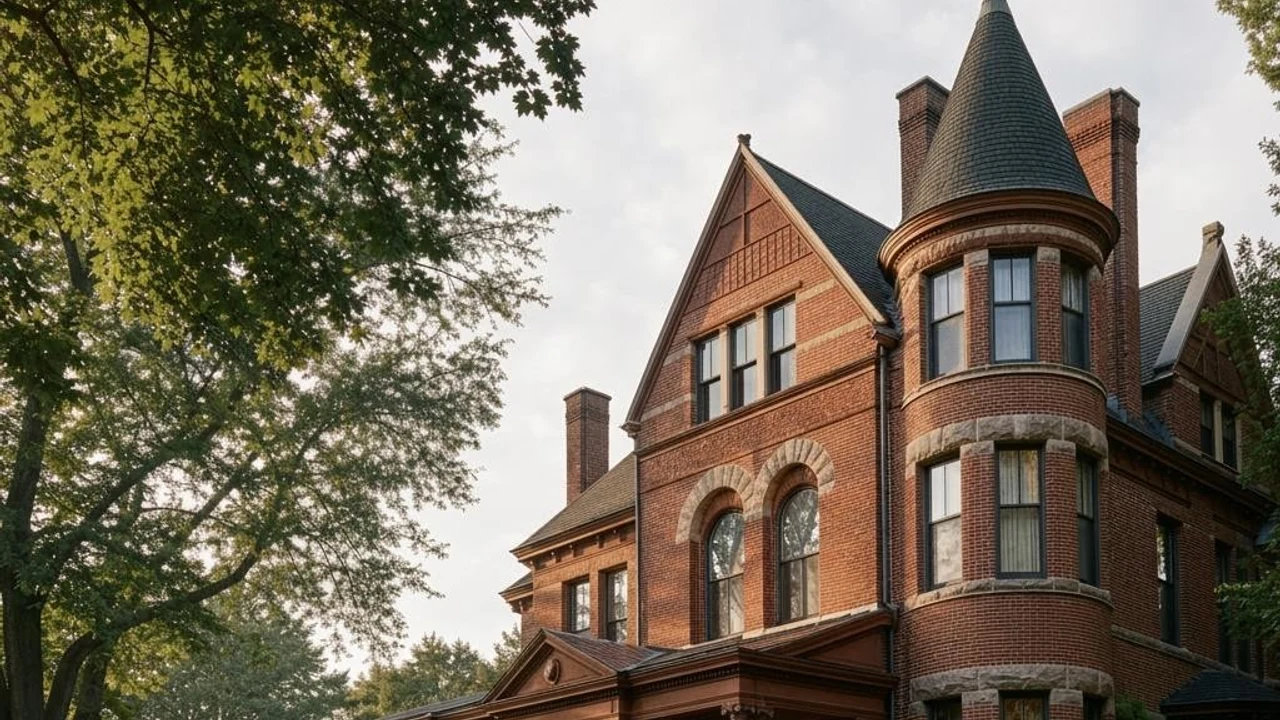
How Does Michigan Freeze-Thaw Damage Brick and Stone?
Freeze-thaw cycles drive much of the masonry damage Michigan homeowners see — spalling brick, open mortar joints, and cracked stone. Here is how the cycle works and what slows it down.
Masonry Services Across West Michigan
Grand Rapids Masonry & Restoration serves homeowners throughout the Grand Rapids metro and West Michigan lakeshore.
View all service areas →