

Should You Paint a Brick House in Michigan?
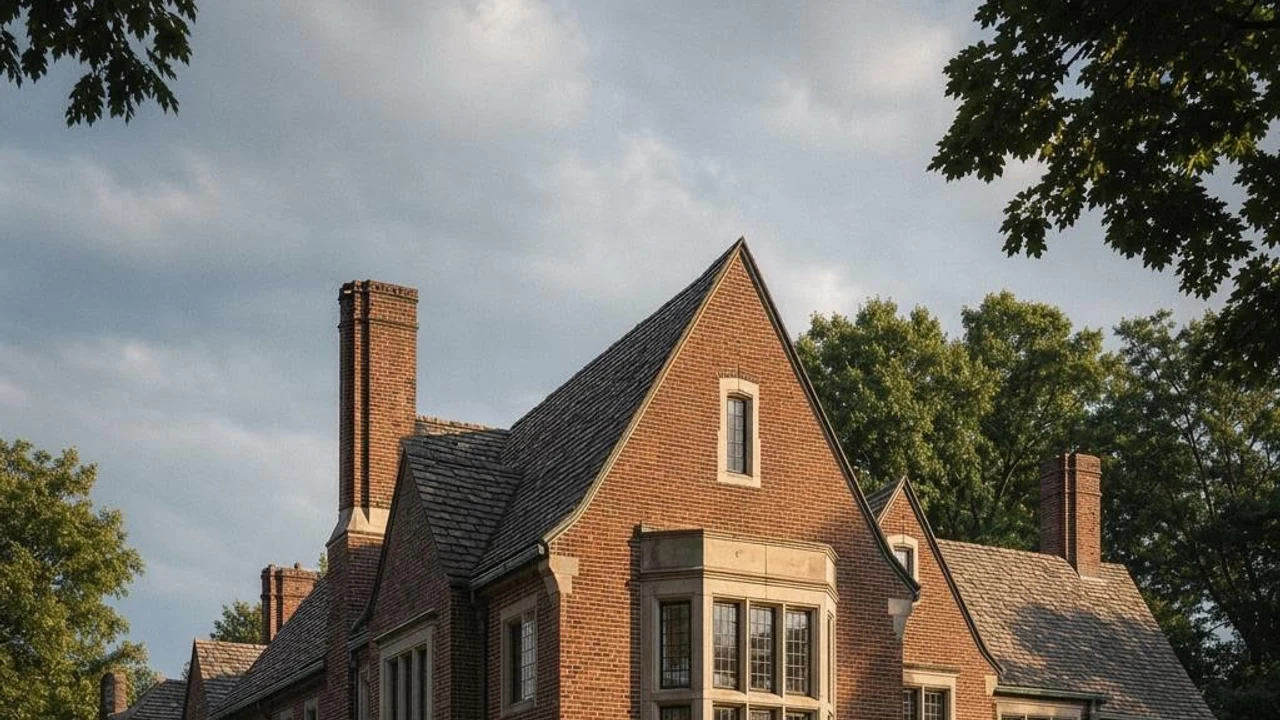
You can paint a brick house, but in Michigan it is a decision to make carefully. Brick and mortar take on some water and dry out through the face. Many common paints form a film that slows that drying, and when water stays in brick through a winter of freezing and thawing, the paint peels and the face of the brick can flake off. If you do paint, use a breathable masonry coating on clean, sound brick with repaired joints. If the real goal is to make tired brick look better, cleaning and repointing often does that without any coating at all.
Is it bad to paint brick?
It is not always bad, but it is risky with the wrong product. Standard exterior latex and oil paints are made for wood and siding. On brick they act like a skin. Water still gets into the wall through mortar joints, cracks, sills, and the top of the wall, and the paint then slows it from getting out. Through Michigan freeze-thaw cycles that trapped water causes peeling and bubbling paint first, and then spalling, where the outer face of the brick breaks away. See our guide on brick spalling for how that damage develops.
Painting also commits the wall to repainting. Once brick is painted, getting back to bare brick is slow and can damage the face if it is done aggressively.
What kind of paint is safe for brick?
If you want a painted or whitewashed look, choose a coating made for masonry that lets water vapor escape, such as a mineral or silicate masonry paint or a traditional limewash. These soak into the surface rather than sitting on top of it as a thick film. They still need clean, dry brick and sound mortar joints underneath, and they are not a fix for a wall that is already holding water.
What should be fixed before painting brick?
Repoint open or crumbling mortar joints and replace spalled or cracked bricks first. Make sure gutters, downspouts, sills, and caps send water away from the wall, and that weep holes at the base of brick veneer are open. Clean the wall and let it dry fully. White staining that keeps coming back, called efflorescence, is a sign the wall is staying wet and should be sorted out before any coating goes on. See white stains on brick.
What are the alternatives to painting brick?
For many homes, the brick is not the problem. It just looks tired. Professional cleaning removes dirt and staining, and repointing with mortar matched to the original color brings the joints back to a crisp, even line. Together they change the look of a wall more than most people expect, and they protect it rather than covering it. If the brick soaks up a lot of water, a breathable penetrating water repellent can follow once the repairs are done. See Should You Seal Brick in Michigan? for when that makes sense.
Our West Michigan planning range for cleaning and sealing brick as part of a restoration is about $3 to $5 per square foot, and full repointing runs about $11 to $25 per square foot. See the masonry cost guide for the other ranges.
Can you paint brick on an older or historic home?
Older brick is often softer and more absorbent than modern brick, so it is more sensitive to coatings that trap moisture. If your home is in one of Grand Rapids’ local historic districts, such as Heritage Hill, check with the city’s Historic Preservation Commission before painting brick that has never been painted, because exterior changes there go through review.
If you are weighing paint against restoration, see brick restoration or contact us for a free assessment of the wall.
Frequently Asked Questions
Should I paint my brick house?
Only with a breathable masonry coating, and only on clean, sound brick with repaired mortar joints. Common latex and oil paints form a film that slows the wall from drying, which leads to peeling paint and spalling brick through Michigan winters. If the goal is a better look, cleaning and repointing often does the job without a coating.
Why is the paint peeling on my brick?
Usually because water is getting into the wall and cannot dry out through the paint. Open mortar joints, cracks, gutters or sills that send water onto the wall, and a non-breathable paint are the common causes. Repainting over the problem does not last. The water path has to be fixed first.
Is limewash better than paint for brick?
For most brick walls, yes, because limewash soaks into the surface and lets the wall breathe instead of forming a film. It wears gradually over time rather than peeling, and it still needs sound joints and dry brick underneath.
Can painted brick be returned to bare brick?
Often, but it is slow, careful work, and aggressive methods such as harsh blasting can damage the face of the brick and let more water in. The right approach depends on the paint and the brick, so the wall should be assessed before any removal starts.
Need Professional Help?
If you've identified masonry issues or need a professional inspection, Grand Rapids Masonry & Restoration is here to help. We serve the Grand Rapids metro area and surrounding communities.
Related Articles
Should You Seal Brick in Michigan?
Brick sealer can help or hurt a Michigan wall, depending on the product and when it goes on. Here is when sealing makes sense, which type to use, and what to fix first.
How Does Michigan Freeze-Thaw Damage Brick and Stone?
Freeze-thaw cycles drive much of the masonry damage Michigan homeowners see — spalling brick, open mortar joints, and cracked stone. Here is how the cycle works and what slows it down.
What Is Historic Brick Restoration in Grand Rapids?
Historic brick restoration repairs and preserves older masonry using compatible materials and techniques — matching original character while restoring weathertightness in West Michigan homes.
Masonry Services Across West Michigan
Grand Rapids Masonry & Restoration serves homeowners throughout the Grand Rapids metro and West Michigan lakeshore.
View all service areas →