
What Do Foundation Cracks Mean in Older Grand Rapids Homes?
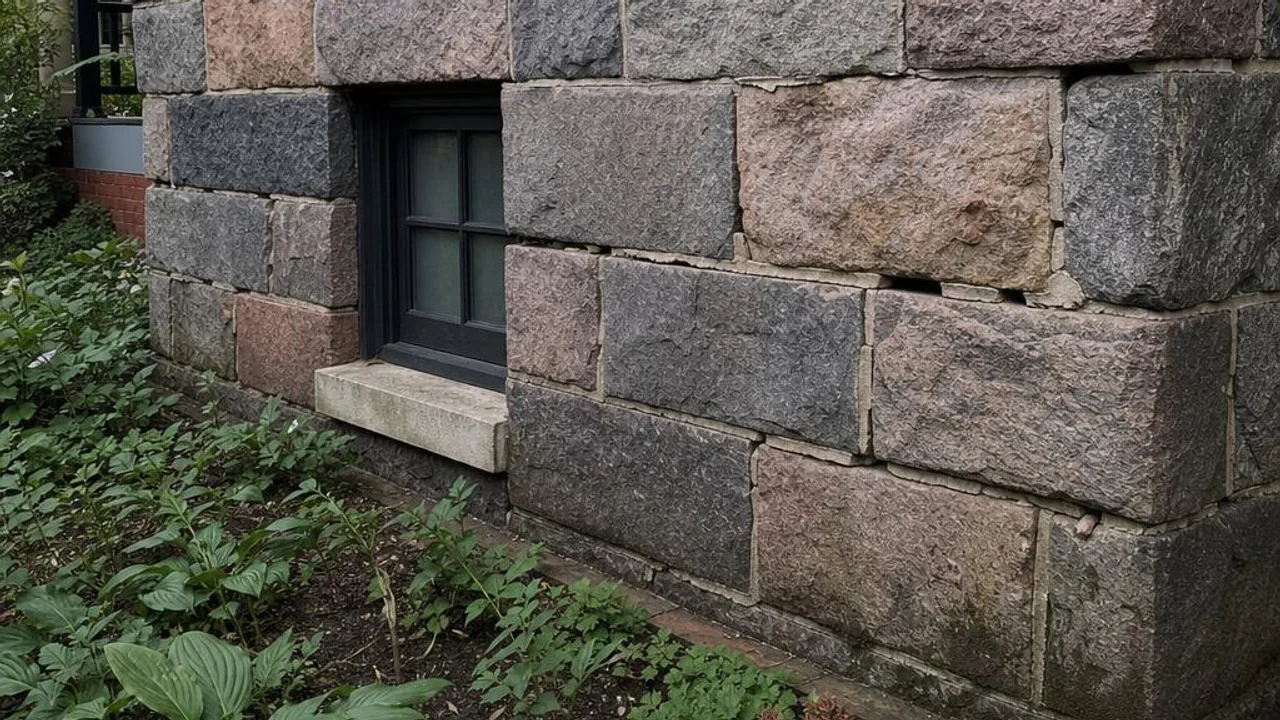
Foundation cracks in older Grand Rapids homes mean different things depending on width, pattern, and whether they are active. Hairline shrinkage lines in newer concrete are common; stair-step cracks through brick or block, widening gaps, or bowing walls need professional masonry assessment.
When should I worry about a foundation crack?
Worry when a crack is widening over time, admits water, runs in a stair-step pattern through mortar joints, or is accompanied by bowing, tilting, or interior door and window binding. Single hairline vertical cracks in cast concrete that stay stable for years are often less urgent — but context matters.
Heritage Hill and near-downtown neighborhoods have stone and brick foundations that crack differently than modern block. A mason evaluates pattern, moisture, and movement history rather than width alone.
What causes stair-step cracks in brick foundations?
Stair-step cracks often follow mortar joints where settlement or lateral pressure differs across the foundation. Clay soils, poor drainage, porch additions on shallow footings, and freeze-thaw at grade are common contributors in southern Kent County.
The crack pattern tells a story: localized step cracking at one corner may differ from horizontal movement across a long wall. Repair scope depends on whether the wall is still stable and whether water is entering through open joints.
Can masonry foundations be repaired without replacement?
Often yes. Repointing open joints, replacing isolated damaged units, stabilizing cracks with compatible repair techniques, and improving drainage can address many problems without rebuilding the entire foundation. Severe bowing or ongoing movement may need engineering involvement.
Preservation-first assessment matters on historic stone and brick — matching mortar and units protects character while restoring weathertightness. Hard modern patches on soft historic mortar frequently fail within a few seasons.
How are stone foundation cracks repaired?
Repair starts with cleaning and assessing joint and unit condition. Sound repointing, selective stone or brick replacement, crack stitching where appropriate, and addressing water at grade follow the diagnosis. The goal is a stable, weathertight wall — not a cosmetic skim over active movement.
Efflorescence, moss at grade, and deteriorated mortar in rock-faced stone are common on pre-war Grand Rapids foundations. Full restoration may combine repointing with unit replacement at severely weathered courses.
See foundation repair and foundation restoration, or contact us for an assessment.
Frequently Asked Questions
Are vertical foundation cracks always serious?
Not always. Stable vertical cracks in concrete may be shrinkage-related. Active widening, water entry, or pairing with horizontal cracks is more concerning. Brick and stone foundations should be evaluated in person rather than judged from photos alone.
Do foundation cracks mean my house is sinking?
Some cracks relate to settlement; others relate to lateral pressure, frost heave at grade, or joint failure without major sinking. Pattern, location, and whether the crack is moving determine the cause — not every crack indicates catastrophic settlement.
Should I seal a foundation crack myself?
Surface sealants without understanding movement and moisture paths often hide problems temporarily. Open mortar joints in brick and stone foundations need compatible repointing. We recommend assessment before injecting or coating cracks on structural masonry.
Can tuckpointing fix a cracked brick foundation?
Repointing fixes open joints and can stabilize minor cracking when the wall is otherwise sound. Cracks indicating ongoing movement need structural evaluation first. Joint work is part of repair — not a substitute for stabilization when walls are actively shifting.
Need Professional Help?
If you've identified masonry issues or need a professional inspection, Grand Rapids Masonry & Restoration is here to help. We serve the Grand Rapids metro area and surrounding communities.
Related Articles
When Do Block Foundation Mortar Joints Need Repointing?
Open mortar joints in block foundations let water in and accelerate freeze-thaw damage. Here is how to tell when repointing is needed — and when a crack needs more than joint work.
What Is the Difference Between Foundation Repair and Restoration?
Foundation repair fixes specific cracks and failures; restoration addresses widespread mortar loss and aging masonry foundations systematically. Here is how to tell which your home needs.
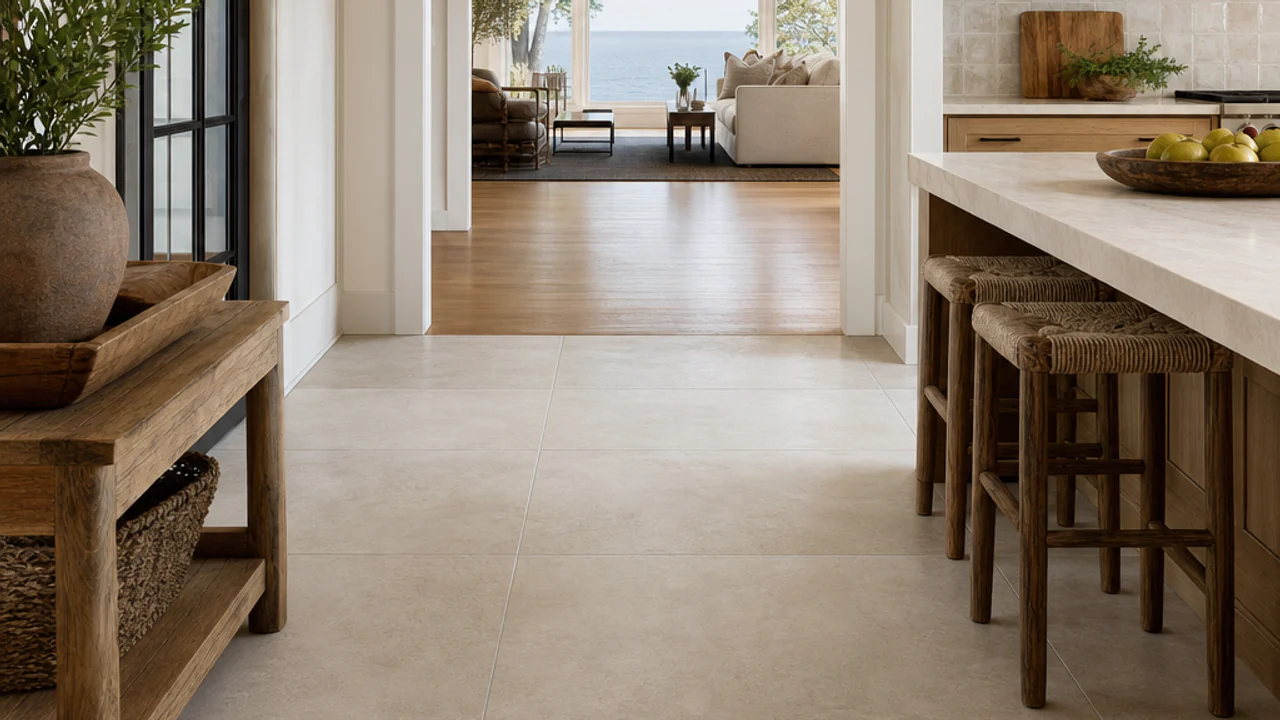
Who Installs Tile in East Grand Rapids?
Tile in East Grand Rapids is installed by tile contractors who handle shower waterproofing, kitchen backsplashes, mudroom floors, and fireplace hearths — not handymen or big-box add-on crews alone. Here is who to hire and what to expect.
Masonry Services Across West Michigan
Grand Rapids Masonry & Restoration serves homeowners throughout the Grand Rapids metro and West Michigan lakeshore.
View all service areas →