
How Do You Repair an Old Stone Foundation?
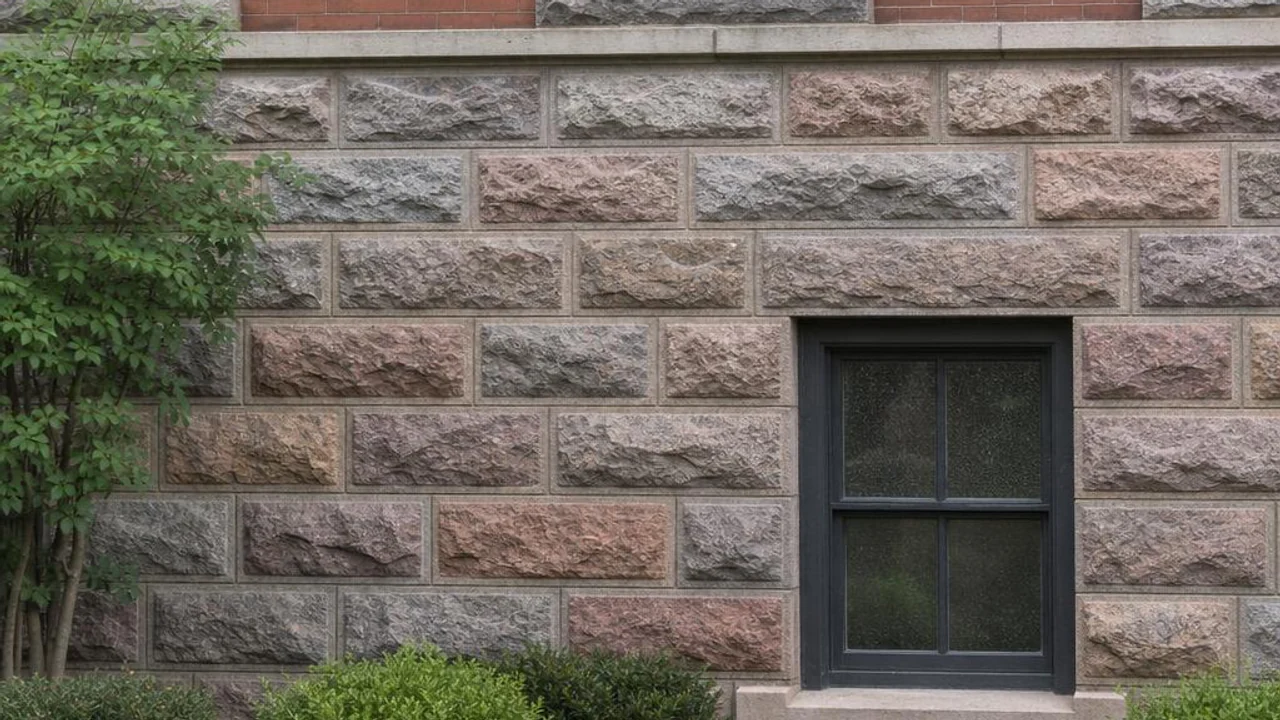
Most old stone foundations are repaired, not replaced. The usual fix is repointing: raking the worn mortar out of the joints between the stones and refilling them with a soft, lime-based mortar that suits old stone. Loose stones are reset, and water problems outside the wall are corrected so the damage does not come back. Only sections that have bulged, shifted, or lost stones need to be taken down and rebuilt, and that is decided by looking at the wall in person.
Why do old stone foundations deteriorate?
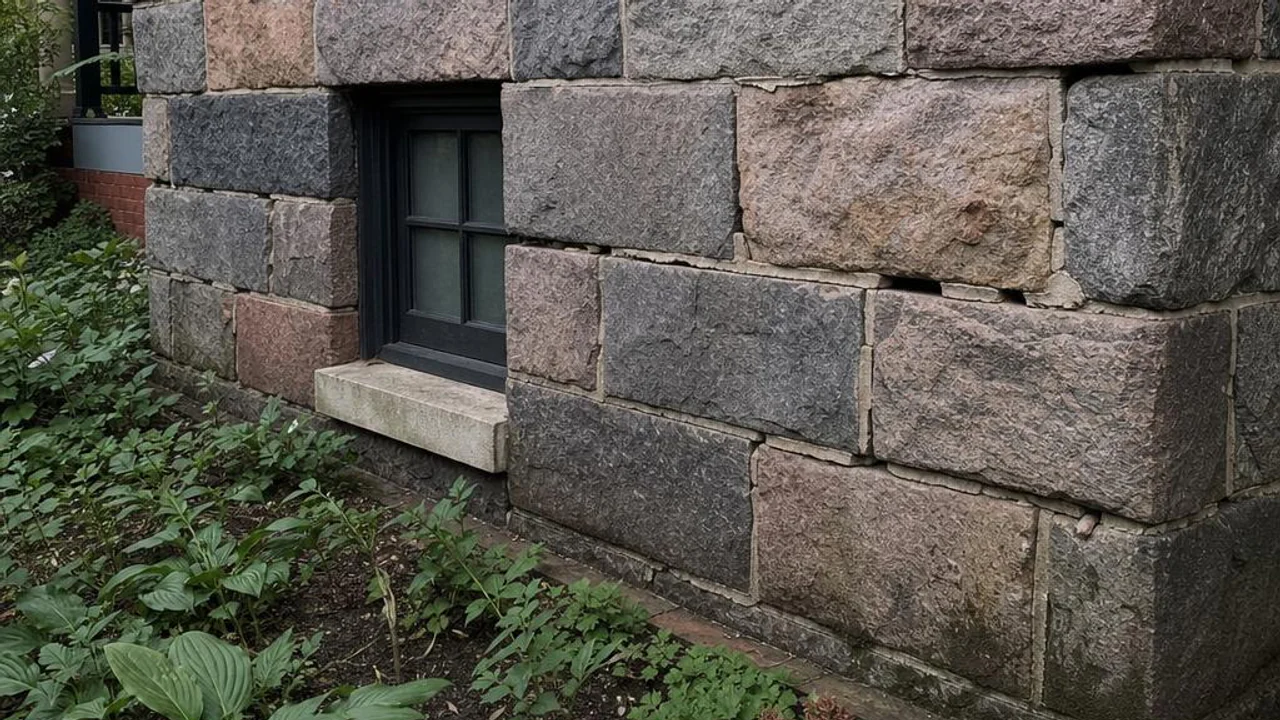
Fieldstone and cut stone foundations are common in older Grand Rapids homes, particularly those built in the late 19th and early 20th centuries. They were laid with soft lime mortar. Over many decades, moisture moving through the wall slowly washes that mortar out of the joints, while the stone itself often stays sound. Michigan freeze-thaw cycles speed this up wherever water sits in open joints. Common signs are sandy or crumbling mortar that brushes out of the joints, loose or missing stones, damp patches or white crusty deposits on the basement side, and stones that have moved out of line. See how freeze-thaw damages masonry.
What is repointing a stone foundation?
Repointing, also called tuckpointing, replaces failed mortar without disturbing the stones. The loose and crumbling mortar is raked out by hand or with careful tools until sound mortar is reached, the joints are cleaned and dampened, and new mortar is packed in and finished so the joint sheds water. On a basement wall, most of this is done from the inside, where the joints are exposed. Above ground, the outside joints are repointed the same way. See tuckpointing and what tuckpointing is.
What mortar should be used on an old stone foundation?
The new mortar should be softer and more breathable than the stone, which on an old foundation usually means a lime-based mortar. The U.S. National Park Service gives the same guidance for repointing historic masonry (Preservation Brief 2). Hard cement mortar does not let moisture out through the joints, so the water leaves through the stone instead, and the stone flakes and breaks down. A hard cement patch on an old foundation often looks fine for a few seasons and then fails around its edges.
Should you parge or seal a stone foundation?
Parging is a coat of mortar over the face of a foundation wall. It can tidy and protect a wall, but it should go over sound, repointed joints and stay breathable enough to let moisture out. A hard cement coat or waterproof paint over failing joints hides the problem and traps water in the wall, and the mortar keeps washing out behind it. For damp basements, start with the outside: gutters, downspouts, and soil that slopes away from the house keep a lot of water off the wall.
When does a stone foundation need more than repointing?
Bulging or leaning sections, stones that have fallen out, cracks that keep opening, and walls that are still moving need more than new mortar. Those sections are stabilized, and some are taken down and relaid stone by stone with the same compatible mortar. Severe bowing or ongoing movement may need an engineer involved before the masonry work starts. See foundation repair for cracked and moving walls, and foundation restoration for foundations where wear runs across the whole wall.
How much does stone foundation repair cost?
It depends on how much of the wall needs work, how deep the mortar has failed, and whether any section has to be rebuilt. As planning ranges, our cost guide puts localized stone and joint repair at about $11 to $28 per square foot and lime mortar repointing on older masonry at about $18 to $35 per square foot. Rebuilding a section, or any structural work, is priced after seeing the wall.
We work on stone, brick, and block foundations across Greater Grand Rapids and West Michigan, including East Grand Rapids, Hudsonville, and Grand Haven. See all of our masonry contractor services and building restoration services, or contact us for a free assessment.
Frequently Asked Questions
Can an old stone foundation be repaired?
Yes, in most cases. Eroded lime mortar does not mean the stone itself has failed. Repointing with a compatible lime-based mortar and resetting loose stones restores most stone foundations. Sections that have bulged or shifted are stabilized or relaid.
Why is sand coming out of my stone foundation?
That is usually the old lime mortar breaking down. Over decades, moisture washes the lime out of the joints and leaves loose sand behind. The fix is repointing: raking out the failed mortar and refilling the joints with a compatible lime-based mortar.
Can you use cement mortar on a stone foundation?
It is not recommended on old stone foundations. Hard cement mortar traps moisture, so water leaves through the stone instead of the joints, and the stone breaks down faster. A lime-based mortar that is softer than the stone is the usual choice.
Can you waterproof a stone foundation?
Start by keeping water away from the wall: working gutters, downspouts that discharge away from the house, and soil that slopes away. Then repair the joints. Coatings should stay breathable, because sealing moisture into an old stone wall makes the mortar fail faster.
Need Professional Help?
If you've identified masonry issues or need a professional inspection, Grand Rapids Masonry & Restoration is here to help. We serve the Grand Rapids metro area and surrounding communities.
Related Articles
What Do Foundation Cracks Mean in Older Grand Rapids Homes?
Foundation cracks in older Grand Rapids homes range from harmless shrinkage lines to signs of movement that need masonry assessment. Here is how to tell what you are seeing.
When Do Block Foundation Mortar Joints Need Repointing?
Open mortar joints in block foundations let water in and accelerate freeze-thaw damage. Here is how to tell when repointing is needed — and when a crack needs more than joint work.
What Is the Difference Between Foundation Repair and Restoration?
Foundation repair fixes specific cracks and failures; restoration addresses widespread mortar loss and aging masonry foundations systematically. Here is how to tell which your home needs.
Masonry Services Across West Michigan
Grand Rapids Masonry & Restoration serves homeowners throughout the Grand Rapids metro and West Michigan lakeshore.
View all service areas →